
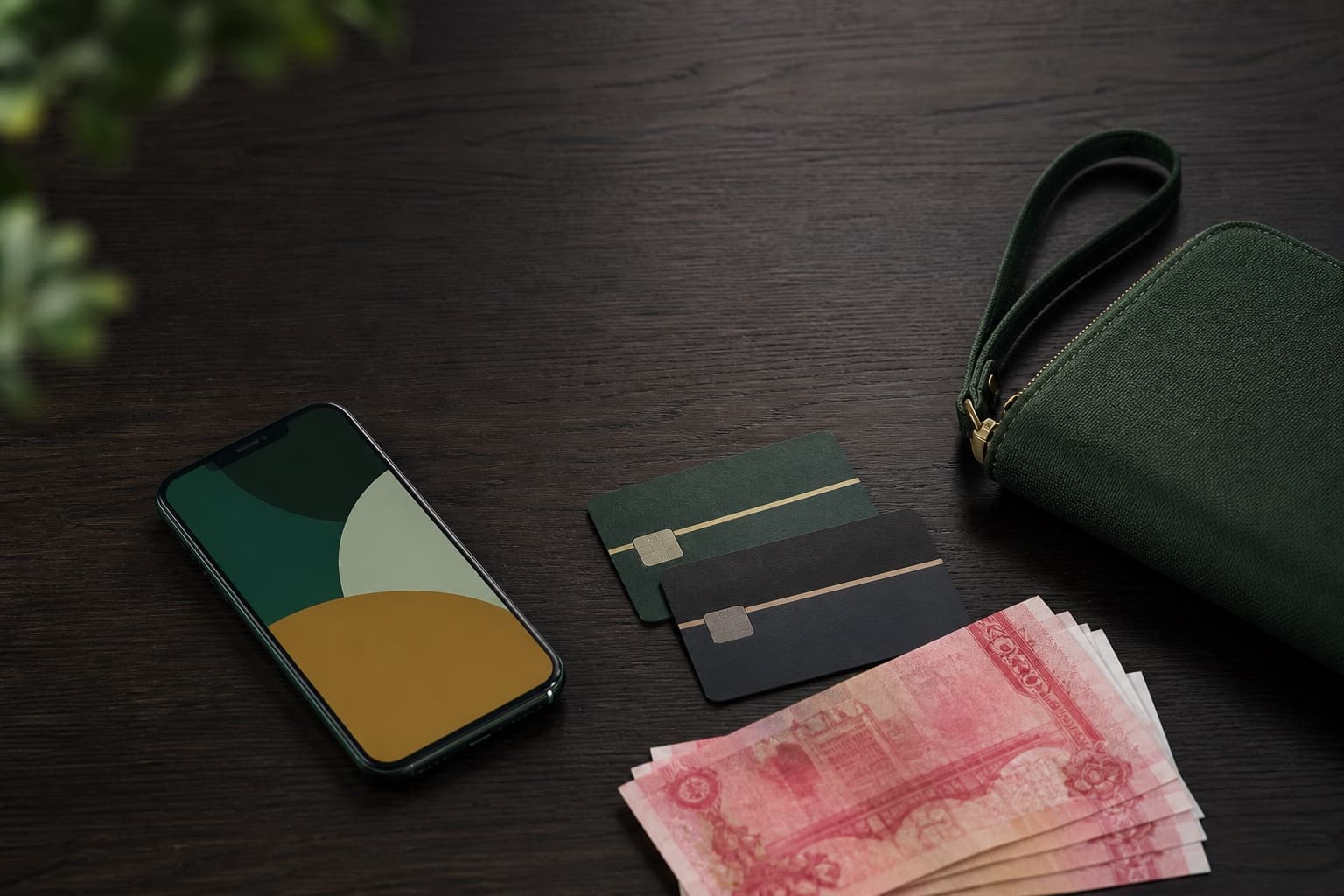
Use three payment layers, not one perfect method
Mobile payment is central to everyday life in China, but an overseas card can fail to bind, a bank may block a transaction, a phone can lose power, and a rural merchant may prefer another method. The resilient setup is mobile payment plus at least one working physical card and a modest amount of RMB cash.
Prepare before arrival, then test with a small purchase in a low-pressure setting. Keep the issuing bank’s contact method available, notify it of travel if required, and make sure you can receive authentication messages. Do not store every card and all cash in the same wallet.
Mobile payment: set up, verify, and test
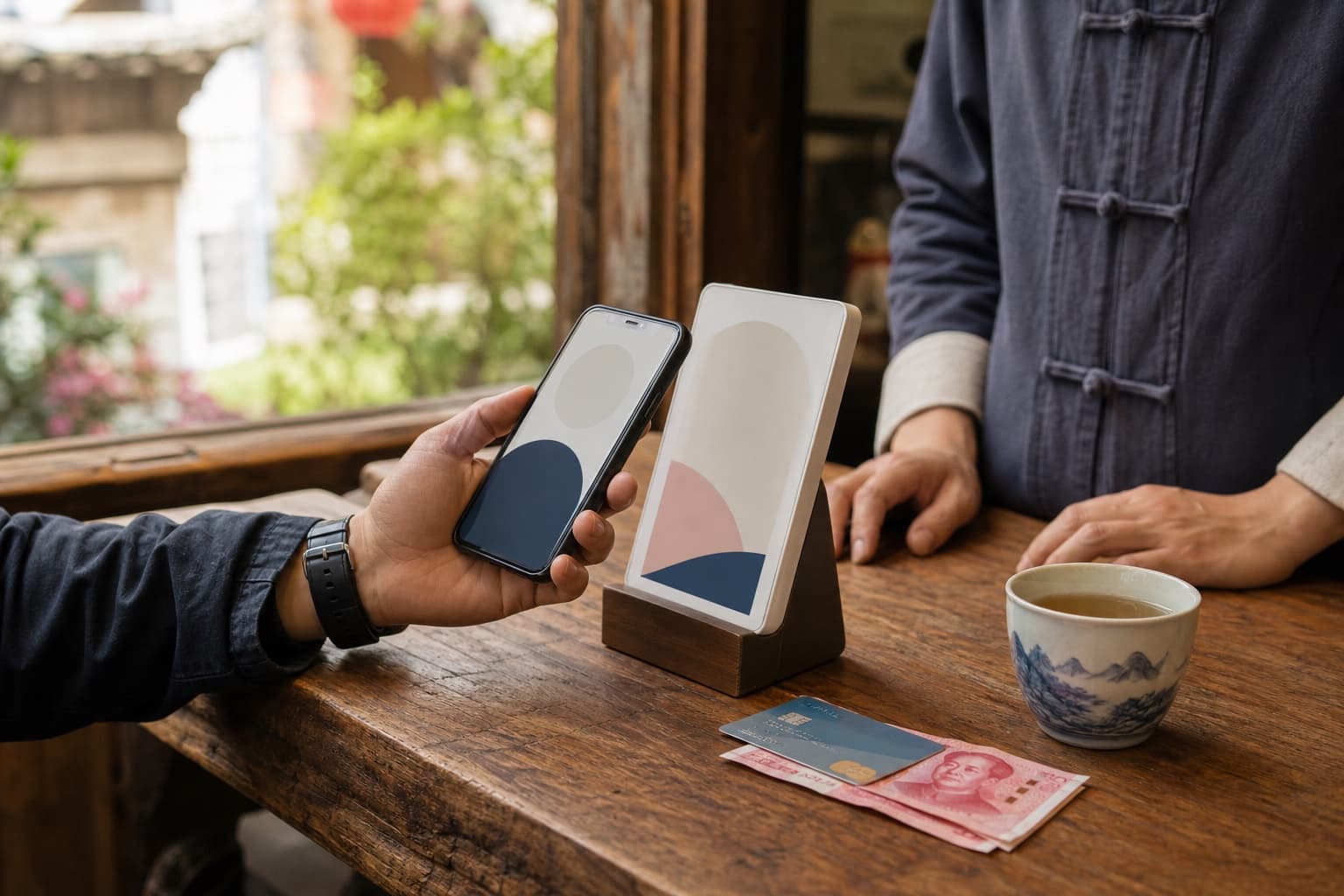
Overseas visitors can register for major Chinese payment apps using a supported mobile number and follow the current prompts to bind an eligible overseas bank card. Identity verification or additional bank authentication may be required.
Two QR patterns are common: the traveler scans the merchant’s code and enters an amount, or the traveler shows a personal payment code for the merchant to scan. Check the merchant name and amount before approving.
Supported card brands, transaction limits, fees, and available functions differ by app, issuing bank, account status, and merchant category. Those details change, so use the product’s current in-app agreement rather than a travel blog’s number.
International cards: important backup, uneven acceptance
Major hotels, airports, larger attractions, and some restaurants or retailers may accept international cards, but acceptance is not universal. Look for the card-network logo and ask before the service is delivered. A terminal that accepts a Chinese bank card may not accept every overseas card.
Carry more than one card if possible, ideally from different networks or issuers. Know the card PIN, international contact method, and foreign-transaction policy. Decline suspicious requests to move the card out of sight, and review the currency and amount before confirming. If a transaction is declined, switch methods instead of repeating it many times without checking the bank.
RMB cash remains a legitimate and useful backup
Cash is useful in traditional markets, remote villages, small family businesses, temple donation boxes, emergencies, and any moment when the phone or card system does not work. Carry smaller notes for low-value purchases and check change.
Exchange money only through banks, licensed exchange providers, or official facilities displaying the appropriate service. Overseas cards can withdraw RMB at compatible ATMs, but the issuing bank, ATM operator, network, and account may each apply limits or fees. Avoid private street exchange and do not accept help from strangers at an ATM. Import and export cash rules can change and should be checked officially before carrying a large amount.
Build a rural and mountain-road backup
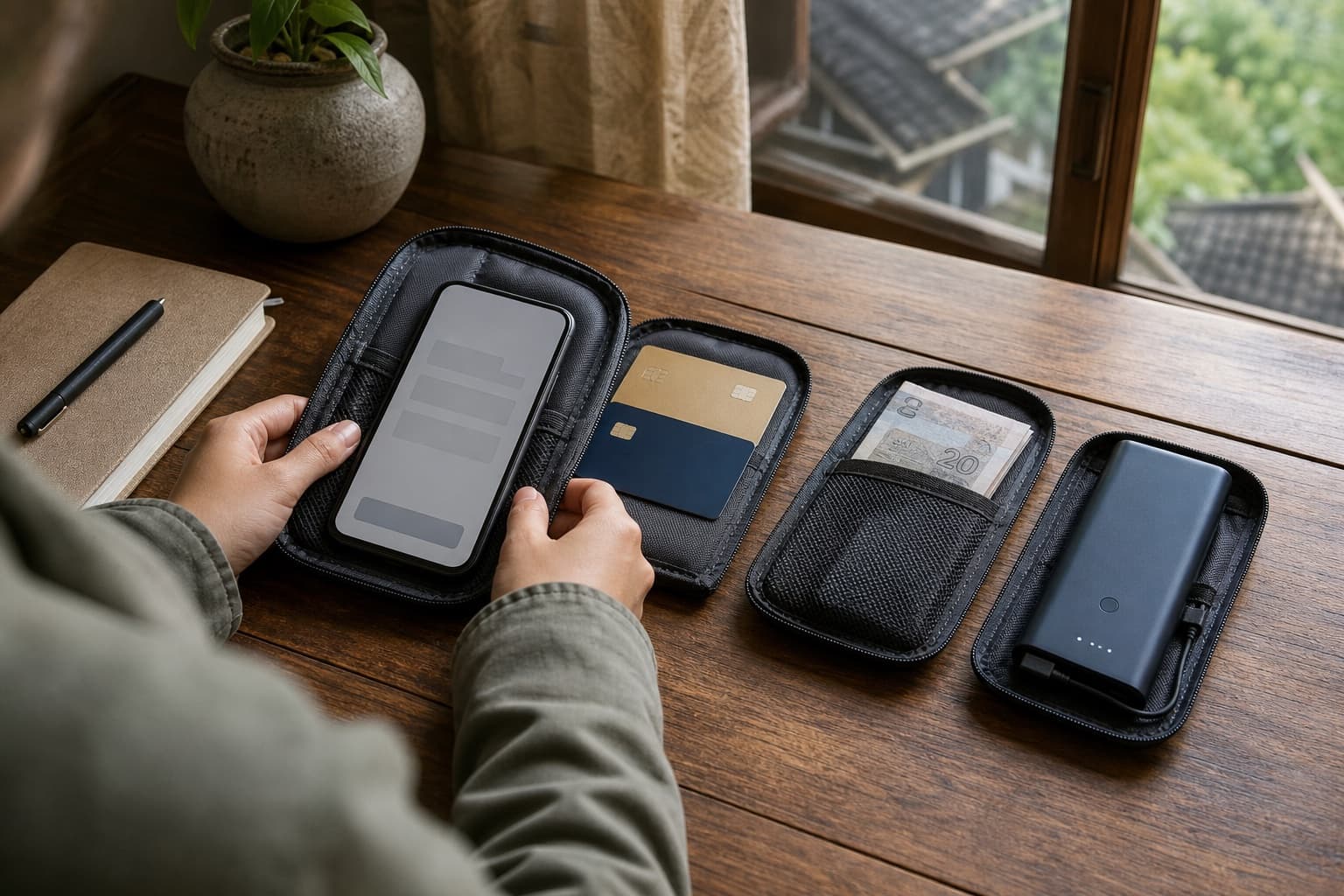
Before leaving a city for Yubeng, Nujiang, Yuanyang villages, tea mountains, or another remote area, charge the phone and power bank, carry some RMB, and confirm how the property or driver expects payment. Network coverage, electricity, and merchant systems can be less predictable.
Keep one backup card and emergency cash separate from the daily wallet. Store bank and payment-app support contacts offline. If a tour or transfer requires a deposit, use an accountable business channel and obtain written confirmation rather than sending money to an unexplained personal code.
A practical method by situation
Airport or station: mobile payment, card, and staffed cash options may all be useful
Hotel: confirm deposit, accepted card network, mobile payment, and cash policy before arrival
Market or street food: mobile payment is common, with small RMB notes as backup
Remote guesthouse: confirm payment method and network conditions before leaving the city
Private driver or guide: use the agreed business or documented payment channel and keep a receipt
Emergency medical visit: carry multiple methods and request formal invoices and medical records
Online transport or attraction booking: use the official platform and verify the order before paying
When a payment fails
First check connectivity, the amount, card status, available balance, identity verification, and whether the merchant category supports the chosen method. Then try another legitimate method. A failed binding may need the payment provider or issuing bank to approve the card; the merchant cannot fix every overseas-card problem.
Do not let a stranger take control of the phone, reveal a one-time password, or install a remote-access app. For a disputed transaction, save the order, receipt, merchant name, time, amount, and screenshots; contact the payment provider and issuing bank promptly. Report theft or fraud to local police when appropriate.
Children, groups, and shared expenses
Do not assume every child or teenager can open and verify an independent payment account. A parent or responsible adult should carry a method that can cover the group, while older children can keep a small amount of emergency cash according to the family’s safety plan.
For friends traveling together, decide how deposits, shared meals, driver payments, and refunds will be recorded. Personal transfers may not work with every overseas account. A simple shared note with payer, amount, purpose, and receipt prevents confusion without relying on a single app feature.
Avoid these assumptions
A card that binds successfully will work for every merchant category
Every merchant that accepts cards accepts every international network
Published app limits and fees will still be current on your travel date
A phone-only setup is enough for a remote route
A screenshot of a payment code is safe or valid
A private transfer to an unknown account provides the same protection as an official order