
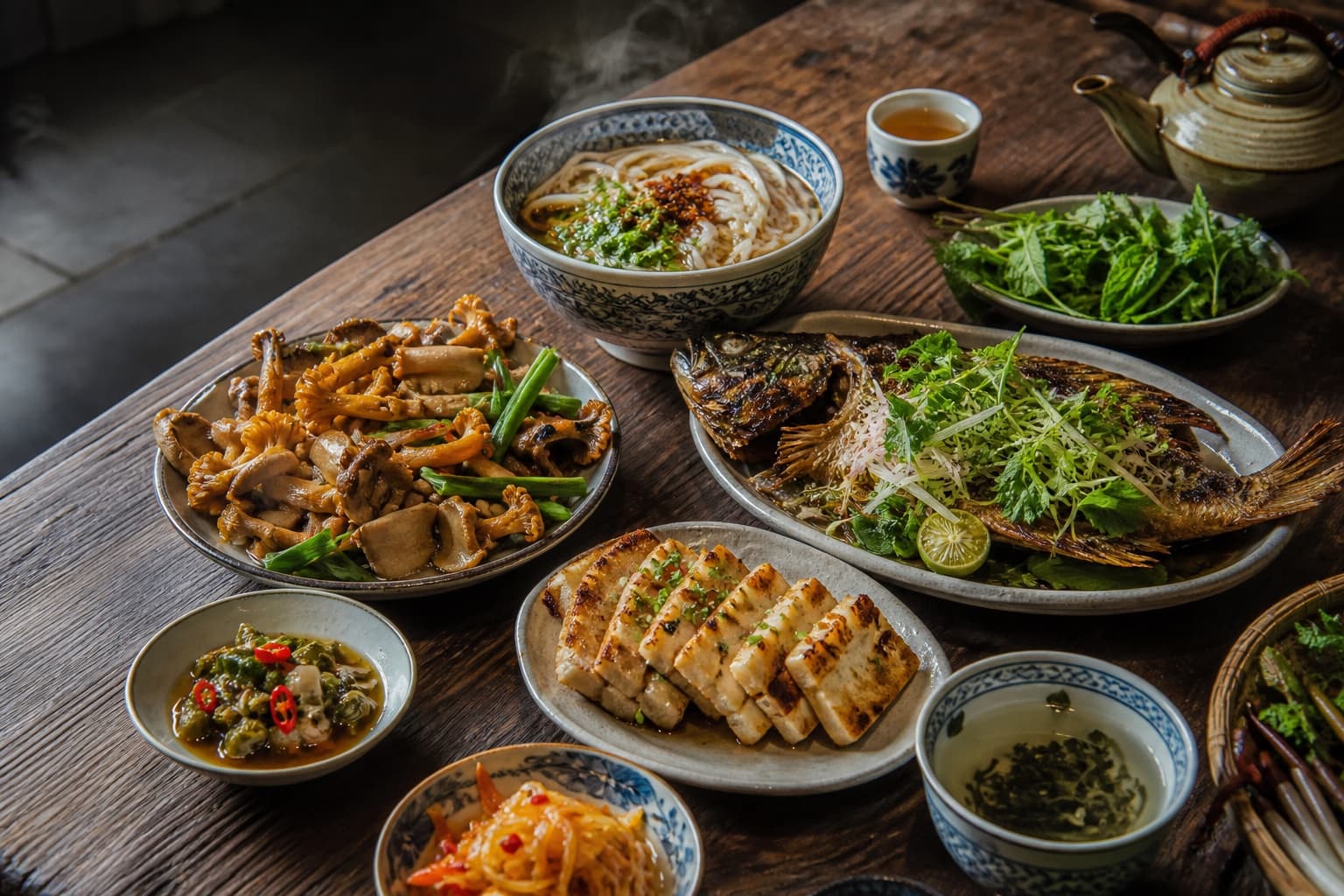
Yunnan food is many regional cuisines
Yunnan’s food changes with altitude, climate, crops, trade routes, and the traditions of different communities. Kunming breakfasts, Dali dairy, Lijiang cured flavors, Dai herbs and grilled dishes, Hani terrace foods, Tibetan-influenced highland meals, Pu’er tea, Baoshan coffee, and rainy-season mushrooms cannot be reduced to one menu.
The best food trip mixes restaurants with markets, bakeries, tea rooms, coffee farms, family kitchens, and simple breakfasts. Stay curious, but communicate allergies and safety needs clearly. Seasonal ingredients and local events change, so treat specific venues and dates as current research rather than permanent facts.
Start with Yunnan’s rice-noodle vocabulary
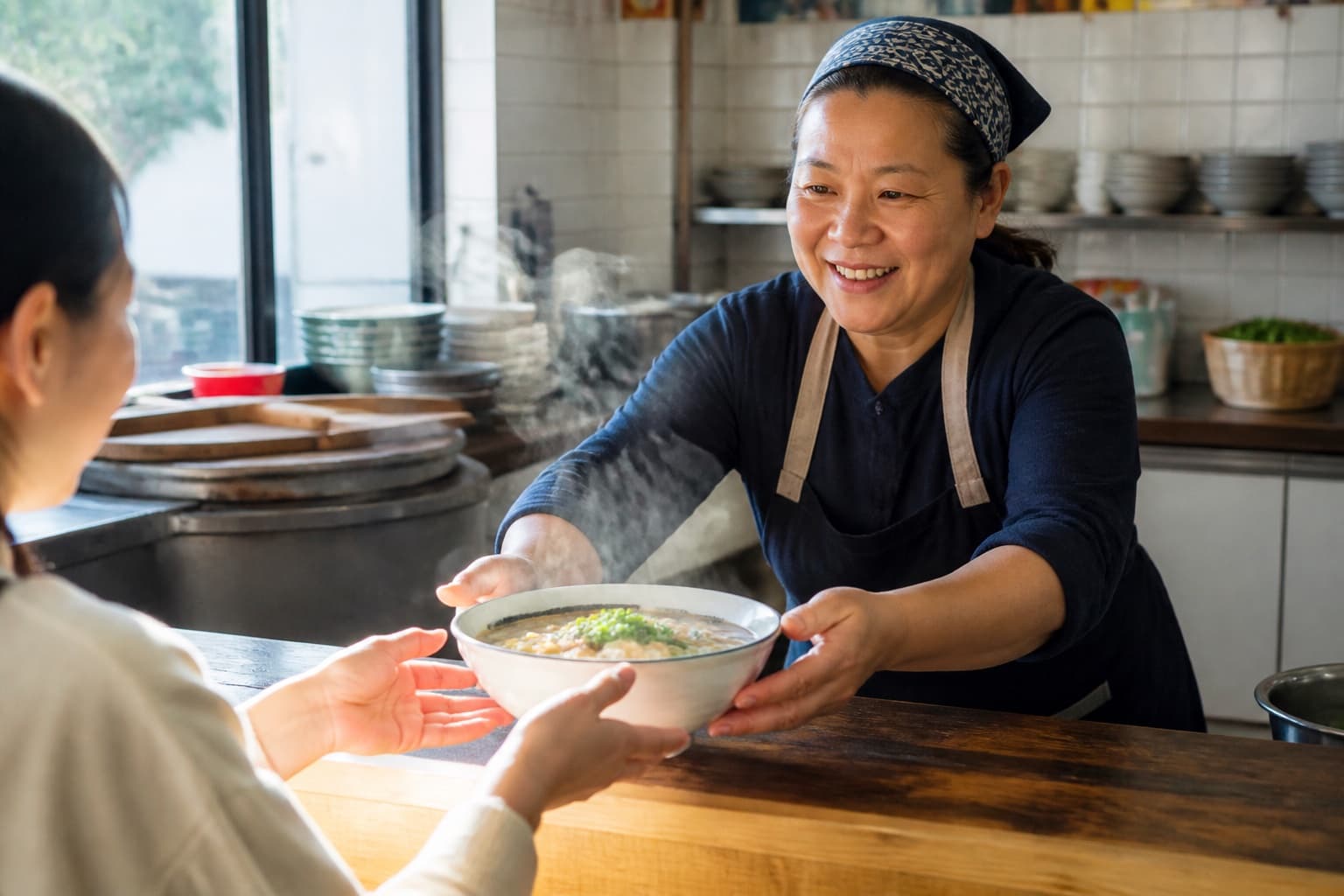
Crossing-the-bridge rice noodles are served with hot broth and a sequence of ingredients that cook in the bowl. The presentation ranges from formal sets to everyday versions; follow the server’s instructions and make sure meat, egg, and other ingredients are thoroughly cooked before eating.
Small-pot rice noodles are cooked to order with minced meat, pickled vegetables, and a savory, sometimes spicy broth. Tofu-pudding rice noodles combine soft tofu, seasoning, chili, and toppings and are often eaten for breakfast. Cold rice noodles, rolled rice sheets, and regional broths add many more variations. Ask about spice, broth, and meat rather than assuming ‘vegetable noodles’ are vegetarian.
Eat a region, not a checklist
In Xishuangbanna, look for lemongrass, fresh herbs, grilled fish or chicken, sticky rice, sour flavors, and dipping sauces associated with Dai cooking. In Dali, Bai food may bring dairy products such as rushan, pickled vegetables, fish, broad beans, and seasonal mountain ingredients.
Lijiang and northwest Yunnan feature cured meats, warming hotpots, potatoes, barley, dairy, and dishes shaped by Naxi, Tibetan, Yi, and other traditions. Southern Yunnan adds Hani, Wa, and borderland flavors.
Names and recipes vary by household and restaurant. Ask what is local to that place instead of ordering the same ‘Yunnan set’ in every city.
Wild mushrooms: a highlight that needs discipline
Yunnan’s rainy season brings a remarkable range of wild mushrooms to markets and restaurants. Identification and cooking are specialist tasks. Do not collect and eat wild mushrooms yourself, do not accept an unknown mushroom from an informal source, and do not taste a dish before the restaurant says cooking is complete.
Choose a responsible restaurant with clear sourcing and kitchen procedures. Eat a moderate amount and avoid mixing many unfamiliar species. If anyone develops nausea, vomiting, abdominal symptoms, unusual vision, confusion, hallucinations, weakness, or other concerning symptoms after eating mushrooms, stop eating and seek urgent medical help. Keep information about the meal for clinicians.
Ham, dairy, pastries, tea, and coffee
Xuanwei ham adds depth to steamed dishes, stir-fries, soups, and pastries. It is a cured meat, but travelers should still prefer safe, properly handled preparation rather than treating uncooked meat as a challenge. Dali’s rushan milk fan can be grilled or used in sweets, while rubing is another local cheese found in savory dishes.
Flower pastries are strongly associated with Kunming and edible roses, but fillings and production quality vary. Yunnan is also one of China’s most important tea and coffee regions. Pu’er tea, black tea, green tea, and smallholder coffee invite slower tastings; ask about origin, processing, roast, storage, and brewing rather than shopping only by age or price.
How to use a market well
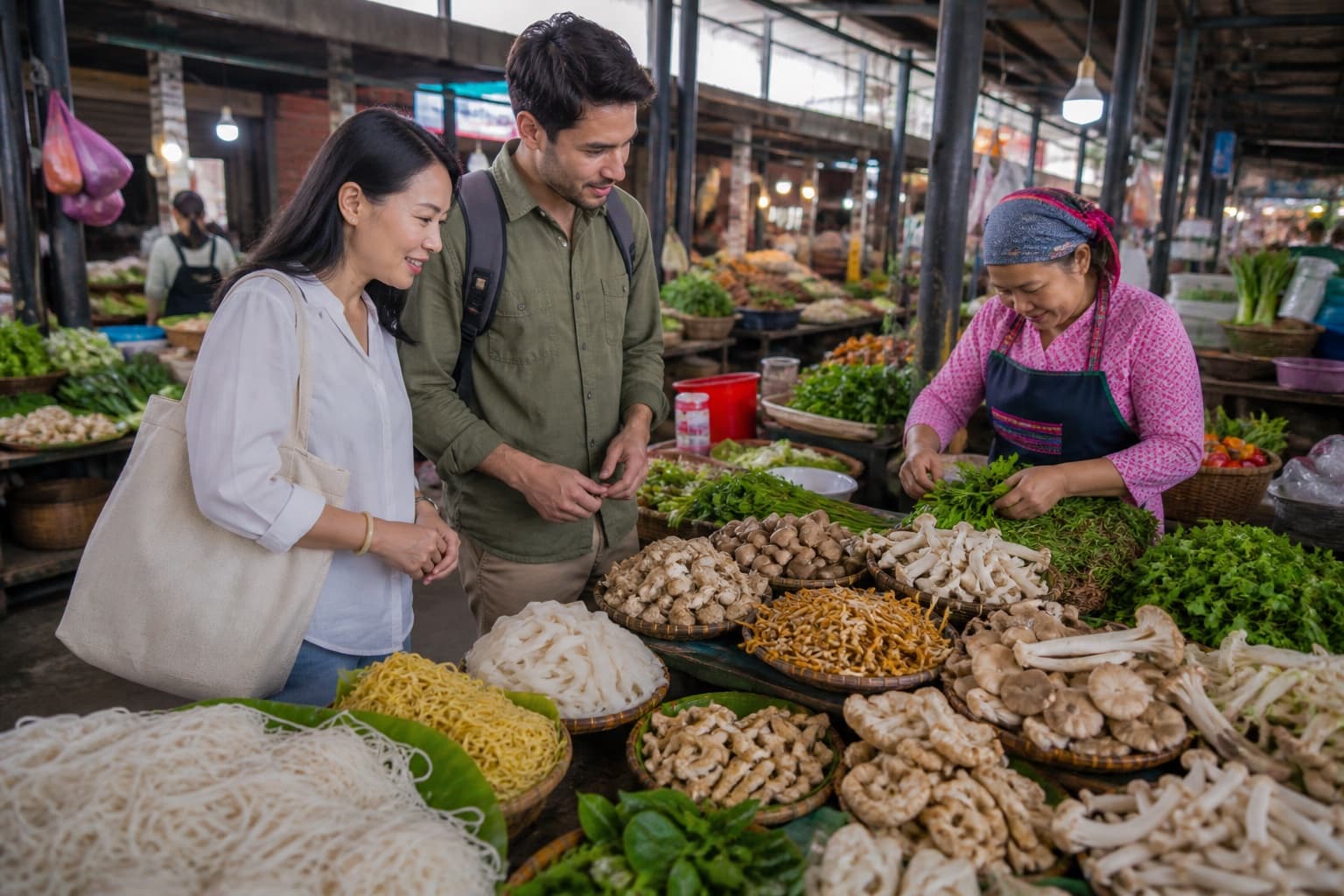
Go early enough to see produce, breakfast stalls, tofu, pickles, herbs, flowers, fruit, mushrooms, and regional staples before the busiest period. Markets are working food systems, not open-air museums: keep aisles clear, ask before close-up photography, and do not handle produce unnecessarily.
A guide or host can help identify ingredients and explain what is seasonal. For ready-to-eat food, choose busy, clean stalls where food is cooked thoroughly and served hot. Wash or peel fruit and use safe drinking water.
Named stalls and opening arrangements change, so confirm locally rather than planning the whole morning around an old recommendation.
Vegetarian, vegan, halal, kosher, and allergy needs
Vegetables are abundant, but a vegetable dish can contain meat stock, lard, minced pork, oyster sauce, dried shrimp, or a shared cooking oil. ‘No visible meat’ is not the same as vegetarian. Vegan travelers should also ask about egg, dairy, and honey. Halal travelers can look for clearly identified qingzhen restaurants, while kosher requirements usually need more advance planning.
For a serious allergy, carry a professionally translated card naming the allergen, hidden forms, cross-contact risk, and the emergency response. Show it before ordering and repeat it when food arrives. A remote family kitchen may not be able to guarantee separation even when the host is willing to help.
Eat adventurously without gambling
Choose food that is freshly cooked and served hot
Use bottled, boiled, or otherwise reliably treated drinking water
Avoid self-picked wild mushrooms and insist on complete cooking
Treat raw or undercooked meat, fish, eggs, and shellfish as higher risk
Wash or peel fruit and clean hands before eating
Communicate allergies and dietary restrictions in Chinese before ordering
Seek medical care for severe dehydration, neurological symptoms, breathing difficulty, or persistent illness
Food souvenirs need storage and border planning
Tea, coffee, flower pastries, packaged beans, spices, and professionally packed snacks can travel well. Check the production date, seal, storage instructions, and whether a delicate pastry will survive the journey. Ham, fresh produce, seeds, dairy, meat products, and homemade foods may be restricted by the destination country.
Do not assume an item sold at an airport is automatically permitted through the next country’s customs. Check the destination authority’s current import rules and declare food when required. For expensive tea or coffee, buy from a seller who can explain origin and provide a receipt.
Food experiences should respect hosts and communities
A long-table feast, tea ceremony, village meal, farm visit, or coffee harvest can be meaningful when the host chooses how the experience is shared and receives fair value. Ask before photographing people, kitchens, religious objects, or food preparation. Do not pressure anyone to perform a custom or prepare a scarce ingredient for a photograph.
Use ethnic and regional names carefully and avoid presenting every dish as ancient, exotic, or unchanged. Yunnan food is living culture: families innovate, cities influence villages, and ingredients move across borders and generations.