Walking Through 1,000-Year-Old Tea Forests
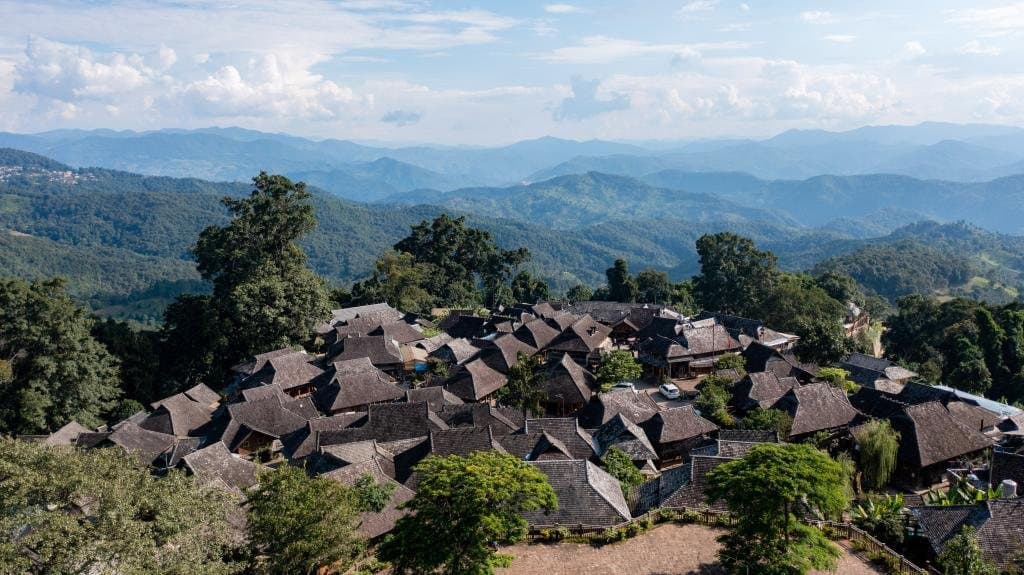
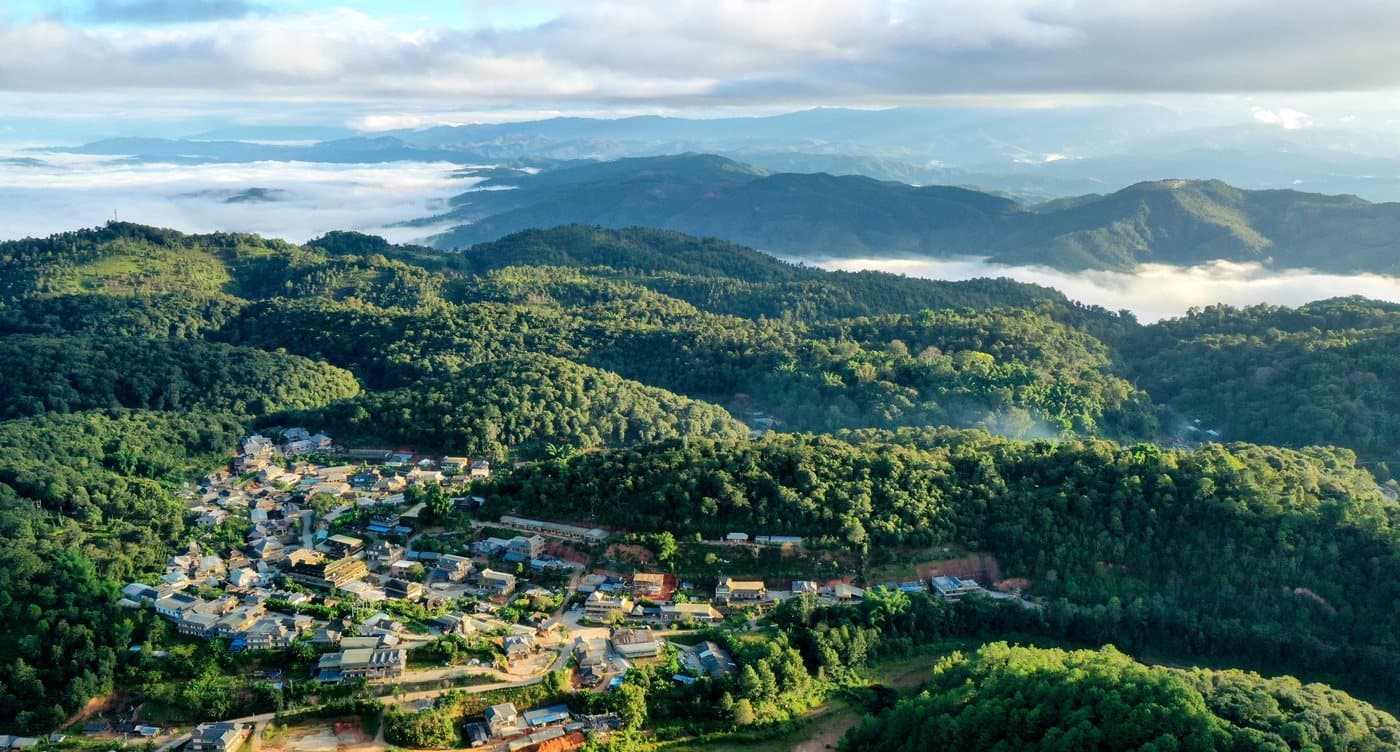
Hidden among the misty mountains of southwestern Yunnan, Jingmai Mountain is home to one of the world's oldest and best-preserved cultivated tea landscapes. Here, tea trees have been growing alongside forests and villages for more than a thousand years, creating a unique ecosystem shaped by generations of local communities.
In 2023, the Cultural Landscape of Old Tea Forests of Jingmai Mountain was inscribed as a UNESCO World Heritage Site, recognizing a remarkable example of harmony between humans and nature. Unlike modern plantations, the ancient tea forests remain largely untouched, with towering trees, native plants, and rich biodiversity thriving together.
For centuries, the Blang and Dai people have followed traditional methods passed down through generations. Rather than clearing the forests, they learned to cultivate tea within them, respecting the rhythms of nature and maintaining a sustainable way of life. Their wisdom has helped preserve both the landscape and the cultural traditions that define Jingmai Mountain today.
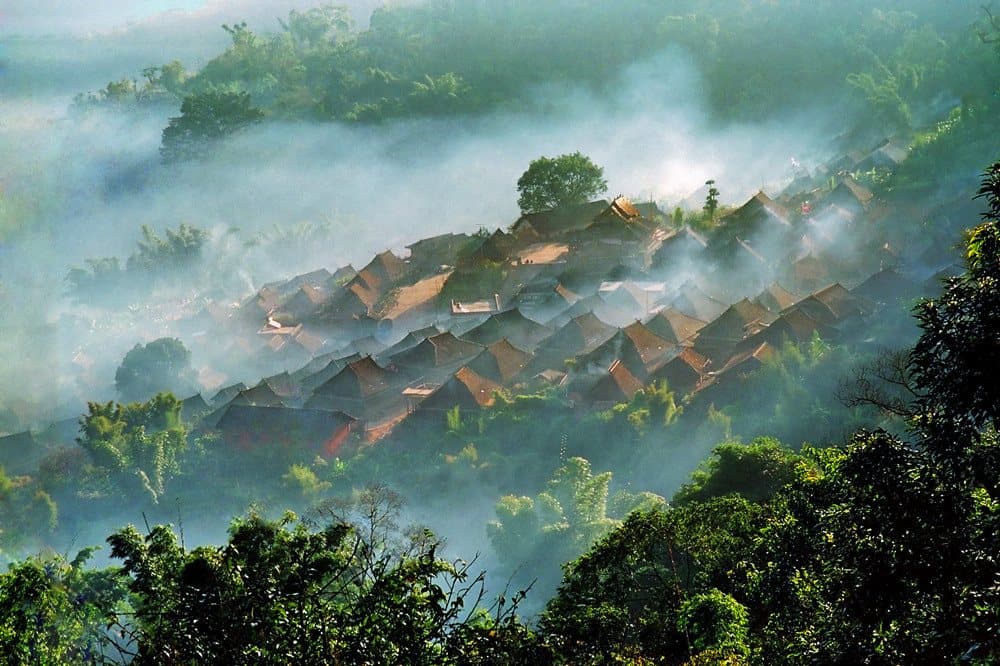
Walking through these ancient forests, visitors can experience more than tea. Morning mist drifts through the trees, birds and insects fill the air with sound, and centuries-old tea trees quietly tell the story of a living heritage. It is a place where culture, ecology, and history are deeply intertwined—a rare reminder that humans and nature can flourish together.
More than just the birthplace of exceptional tea, Jingmai Mountain offers a journey into a world where traditions endure and time seems to slow down.