Discover China’s Most Diverse Province
Yunnan is home to 25 ethnic minority groups, making it one of the most culturally diverse regions in China. From matrilineal societies to ancient pictographic writing systems, each group preserves a unique way of life shaped by mountains, rivers, and centuries of tradition.
The Mosuo People
A Matrilineal Community Around Lugu Lake
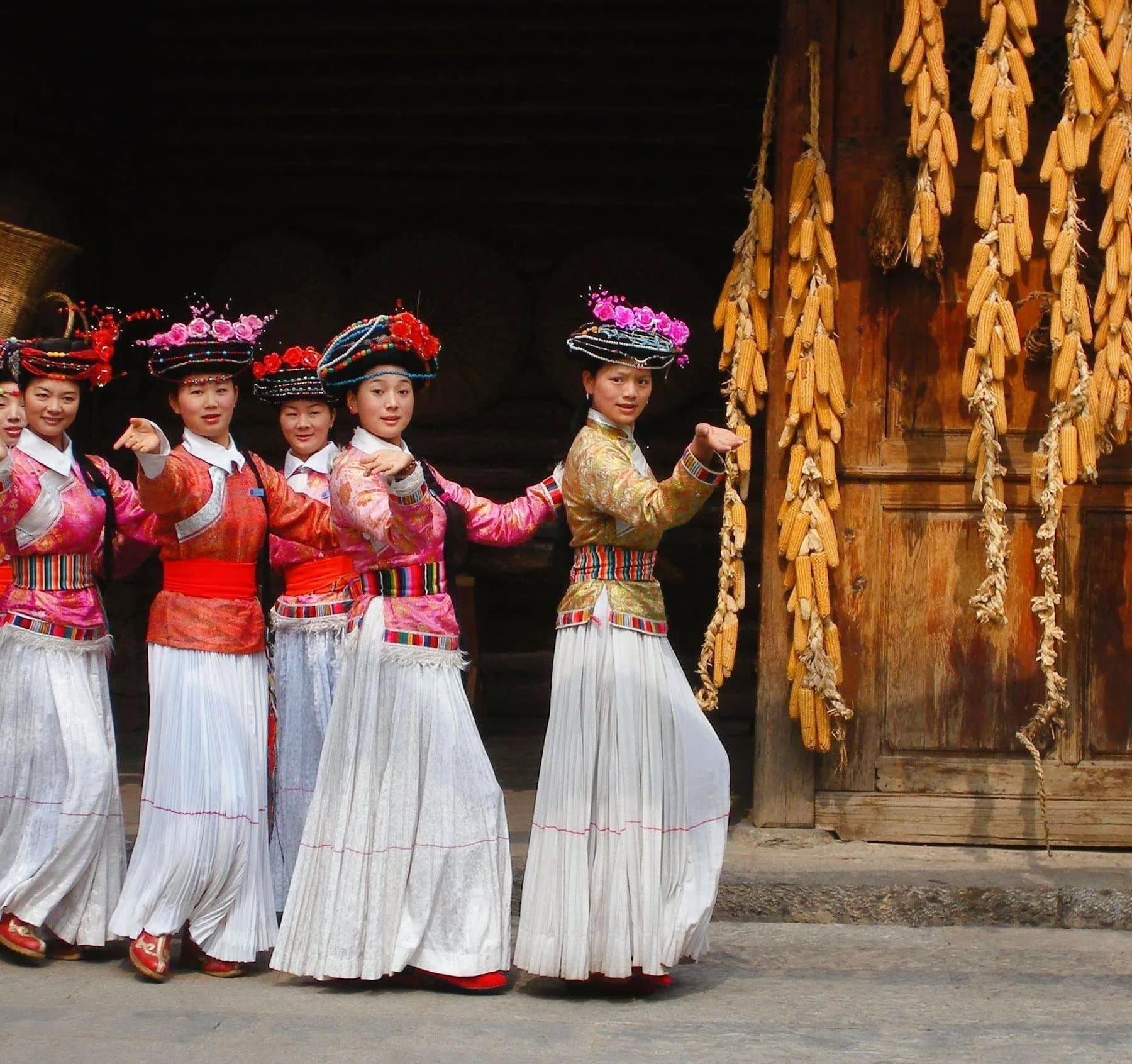
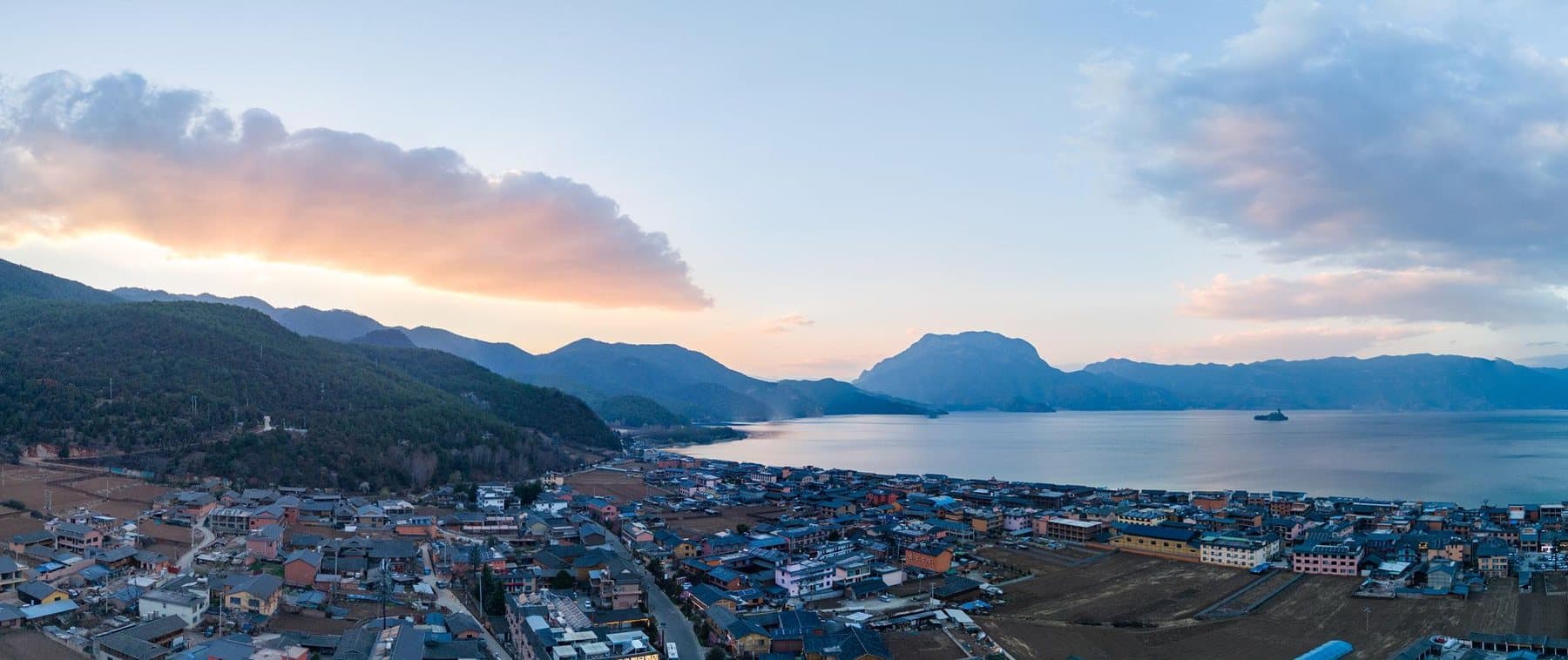
Nestled around the serene Lugu Lake, the Mosuo are known for matrilineal kinship and households in which descent and family property pass through women In their culture, family lineage is passed through the mother’s side, and women hold a central role in both household and social life.
One of the most unique traditions is the so-called “walking marriage,” where partners do not live together permanently. Instead, relationships are formed through mutual choice, while women continue to live with and be supported by their maternal families.
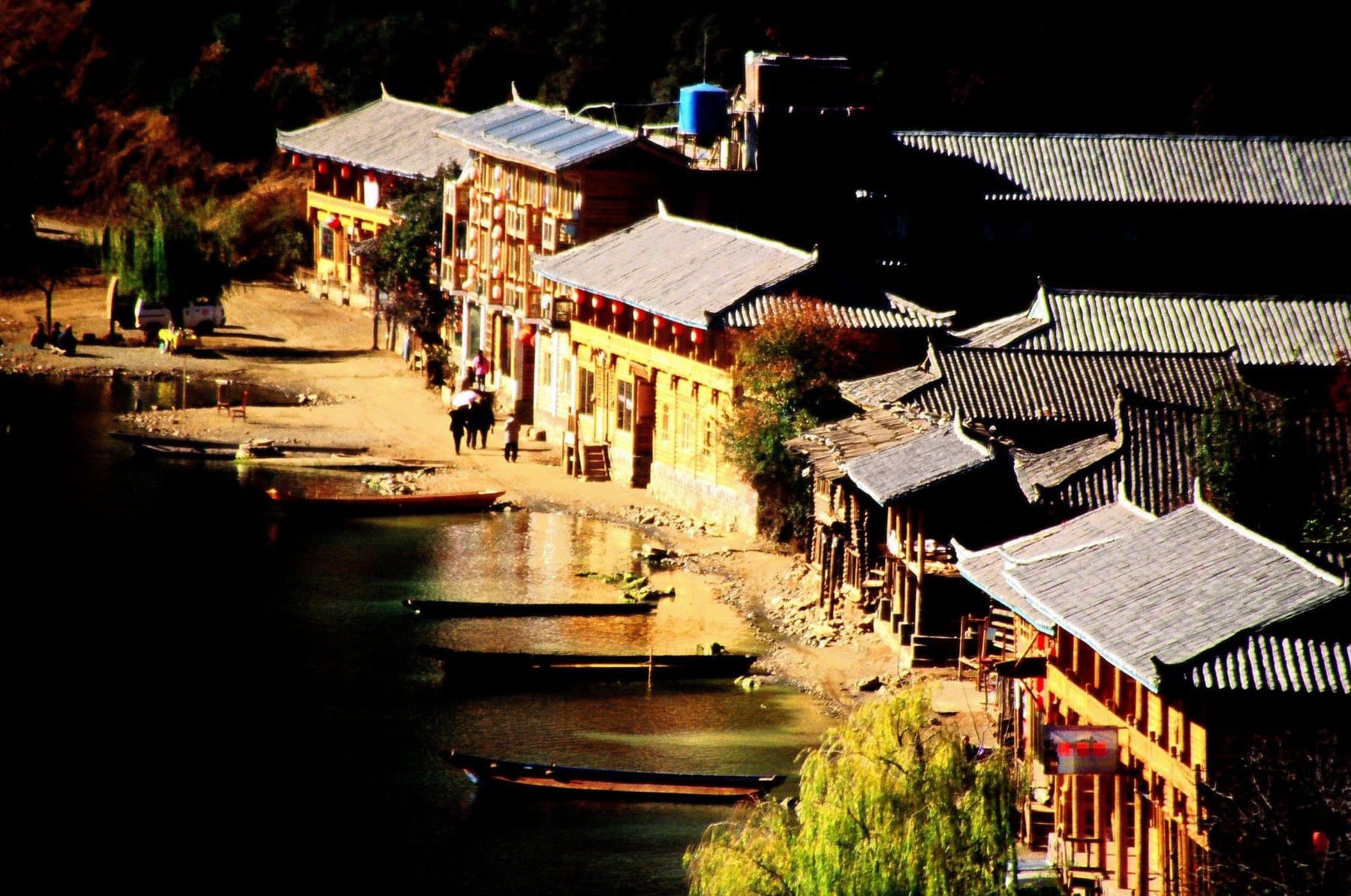
Despite outside fascination, Mosuo culture is deeply rooted in harmony, stability, and respect for women’s roles within the community. Life here moves at the rhythm of the lake, the mountains, and generations of tradition.
The Naxi People & Dongba Culture
A Living Pictographic Tradition
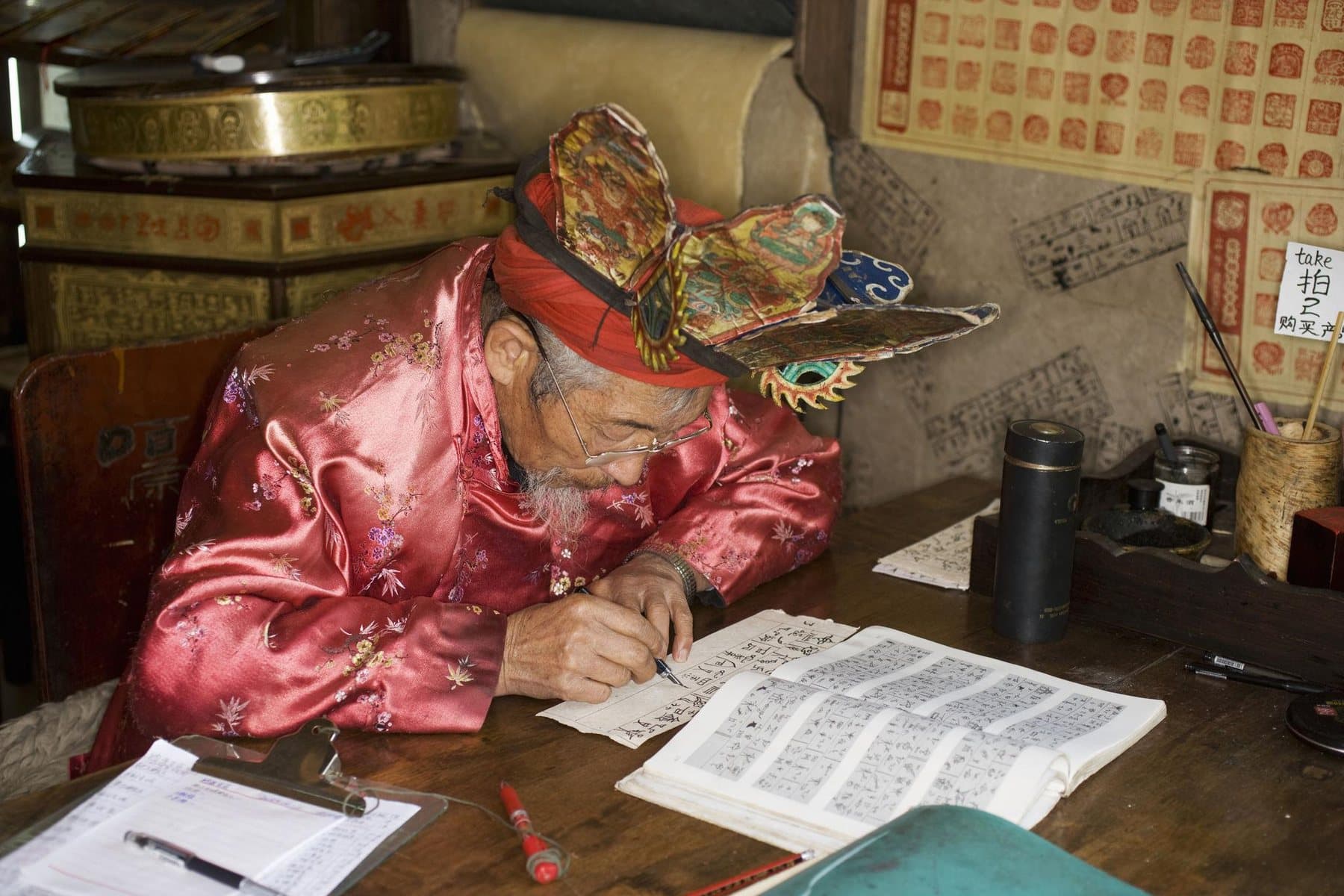
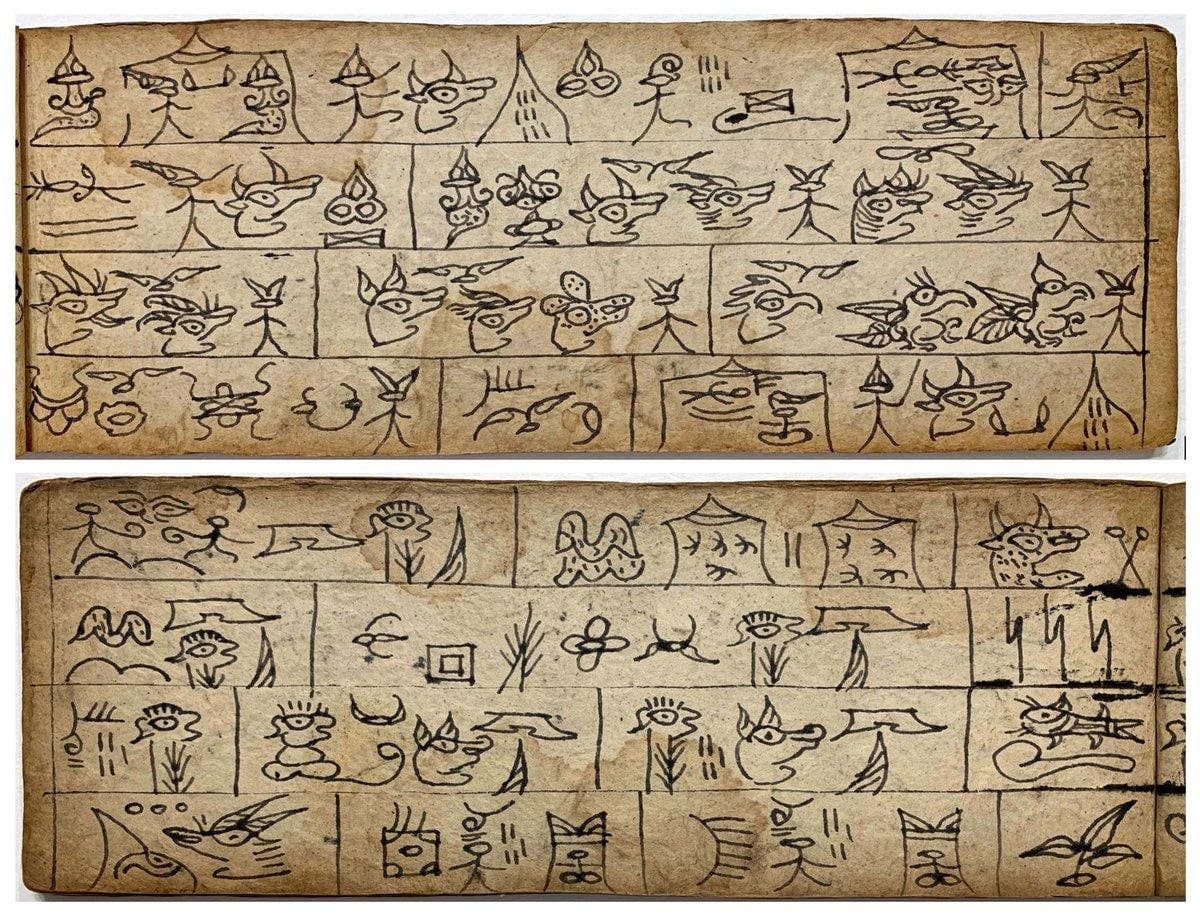
The Naxi people, primarily living in Lijiang, are known for preserving Dongba script, a pictographic writing tradition still used in ritual and cultural practice. These ancient symbols are still used in religious texts and rituals by Dongba priests, who act as cultural guardians of Naxi spiritual traditions. The manuscripts, written on handmade paper, record myths, prayers, and knowledge passed down for centuries.
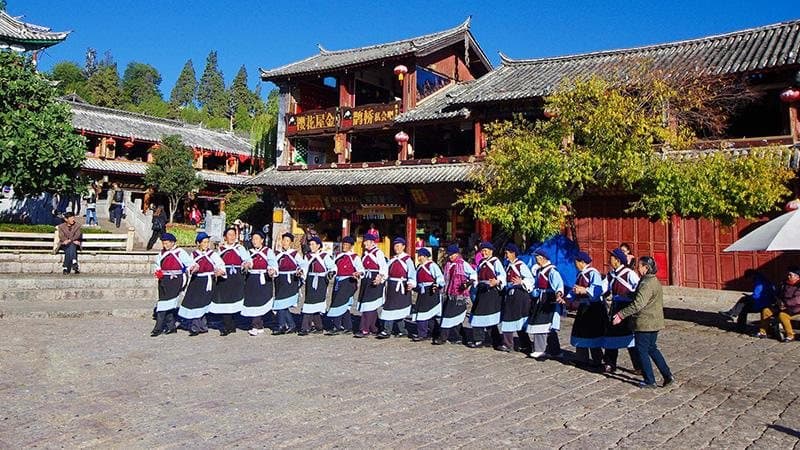
Walking through Lijiang Old Town, visitors can still see traces of this living heritage in architecture, rituals, and everyday cultural expressions.
Bai Culture in Dali
A Living Tradition of Tea, Craft, and Architecture
In Dali, the Bai people have created a cultural landscape where tradition and daily life blend seamlessly. One of the most famous customs is the “Three-Course Tea Ceremony,” where each cup represents a stage of life—bitterness, sweetness, and reflection.
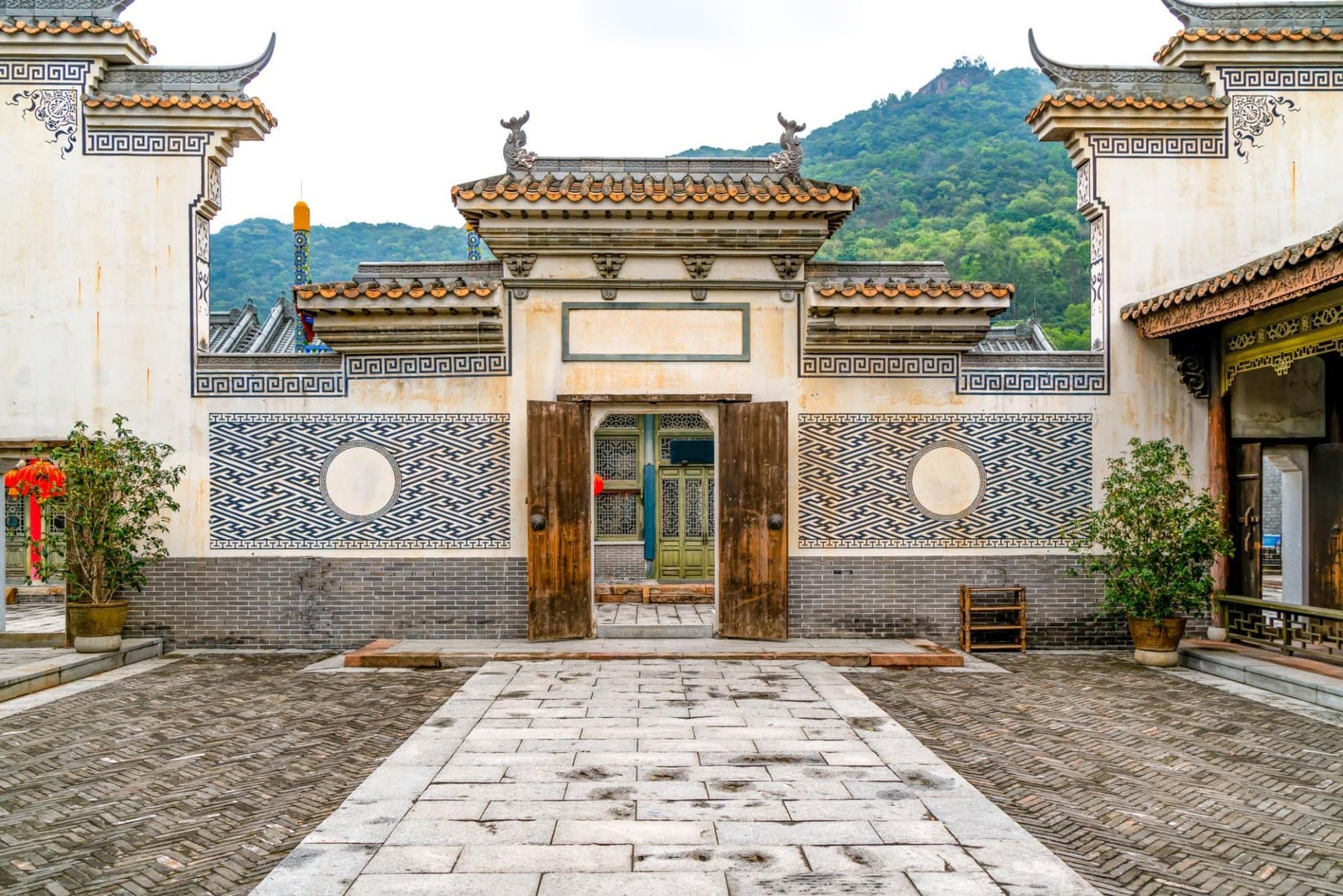
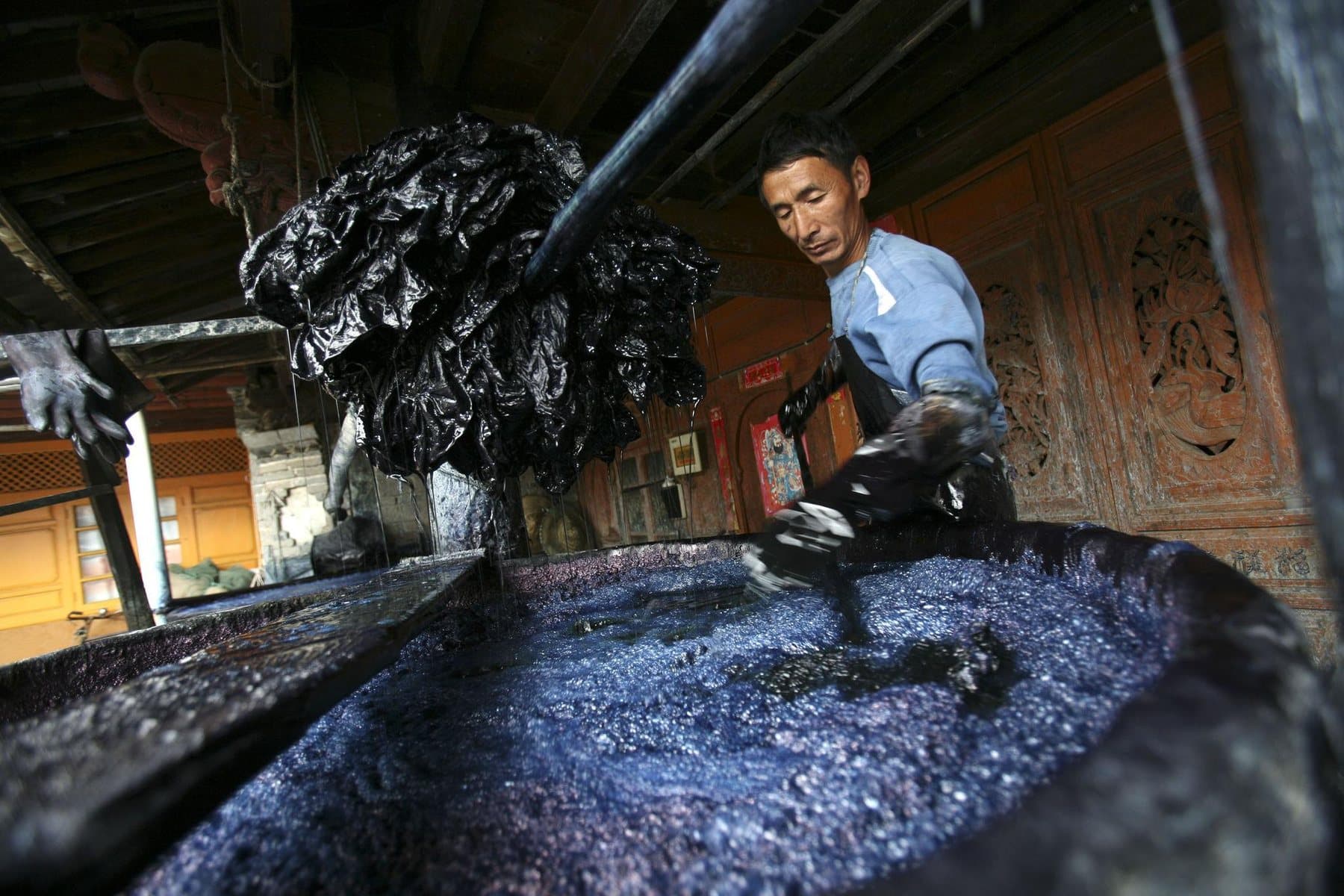
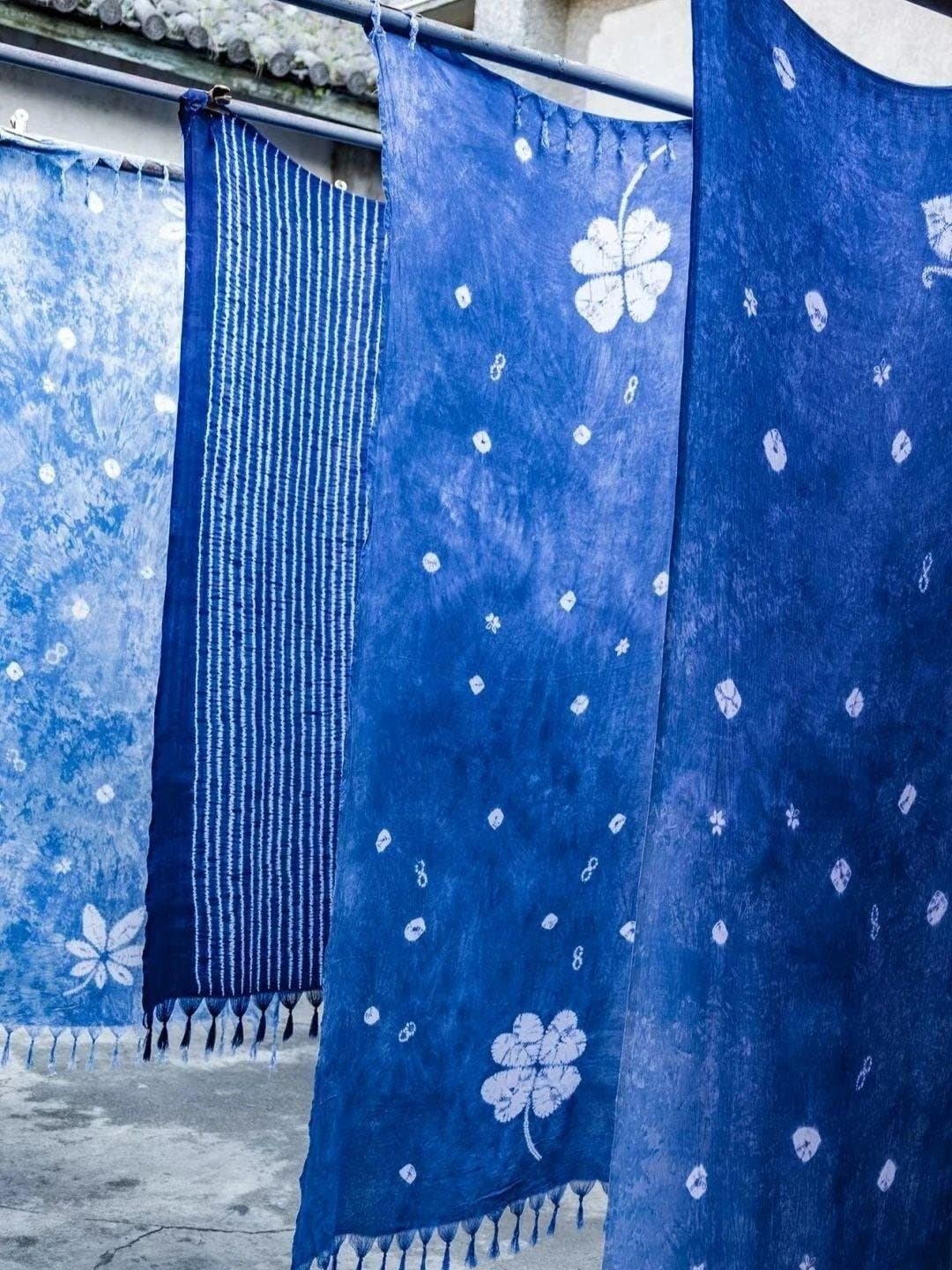
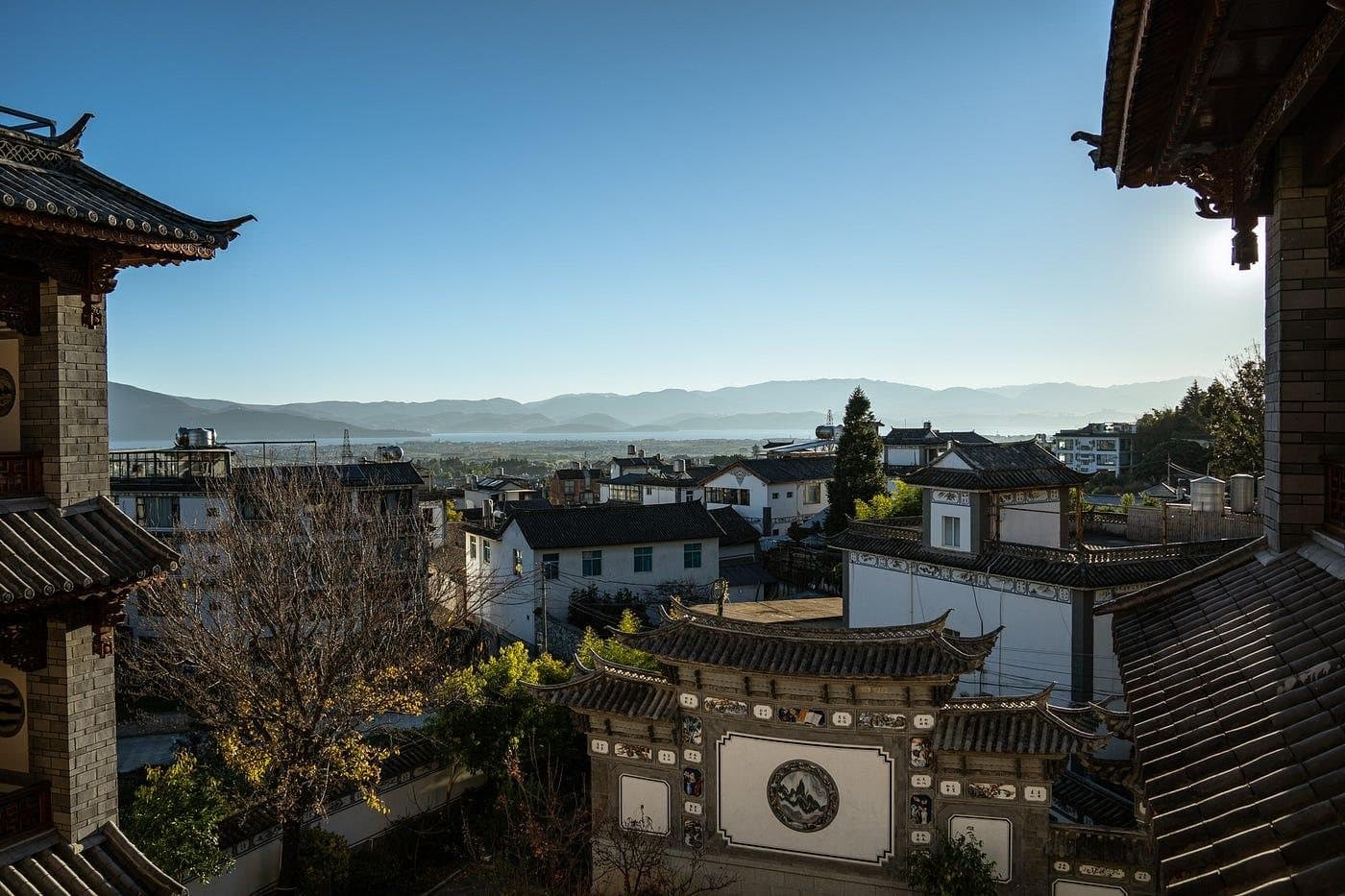
Bai craftsmanship is also widely recognized, especially their indigo tie-dye techniques and distinctive white-walled architecture decorated with elegant murals and carvings. Around Erhai Lake, villages continue to preserve a slow, balanced way of life closely connected to nature.
Tibetan Life in Shangri-La
Faith, Mountains, and Sacred Landscapes
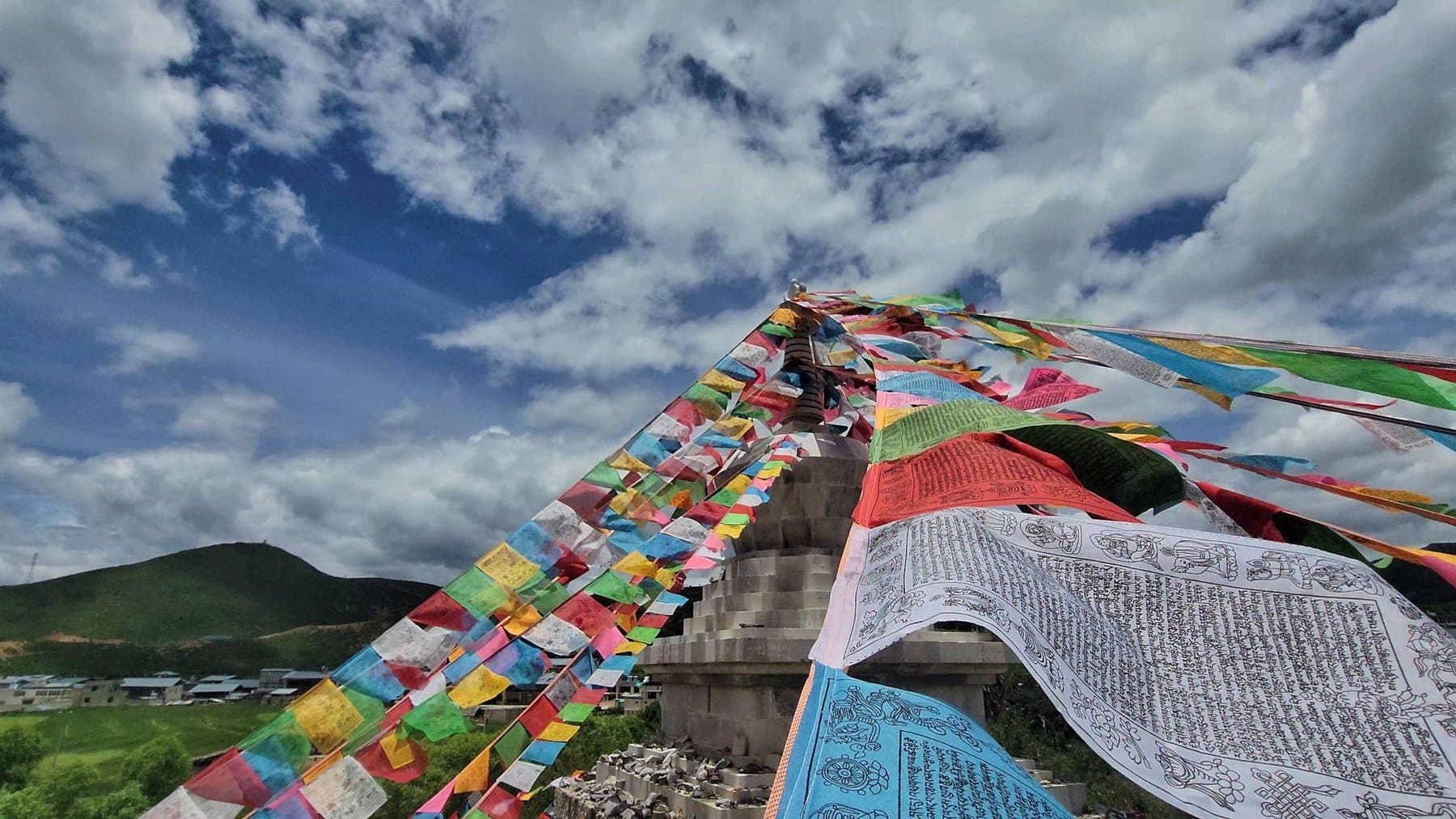
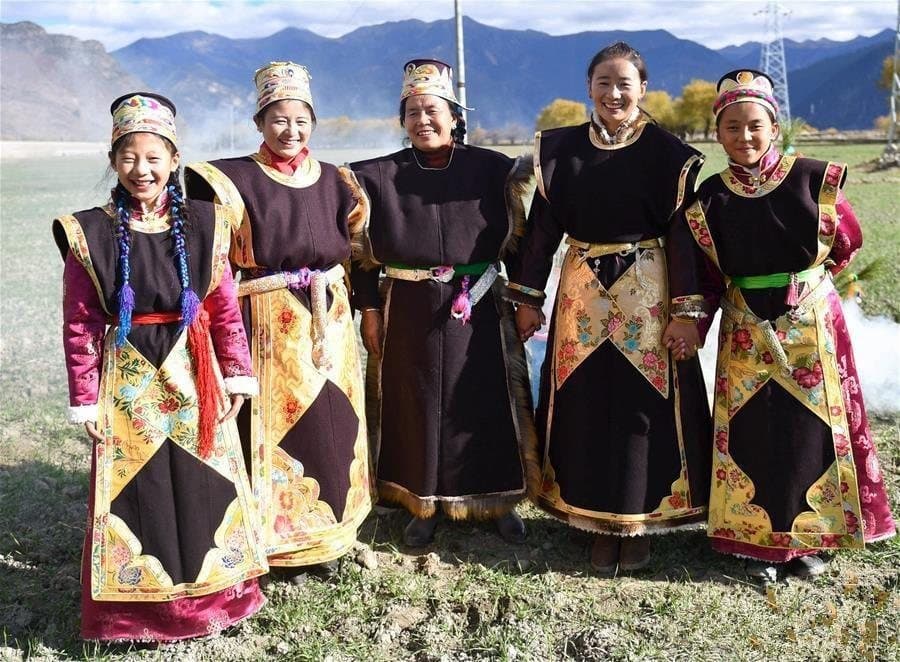
In the highlands of Shangri-La, Tibetan culture shapes both the landscape and the rhythm of daily life. Colorful prayer flags stretch across mountain ridges, carrying blessings in the wind. Monasteries stand as spiritual centers, where monks preserve centuries-old Buddhist traditions.
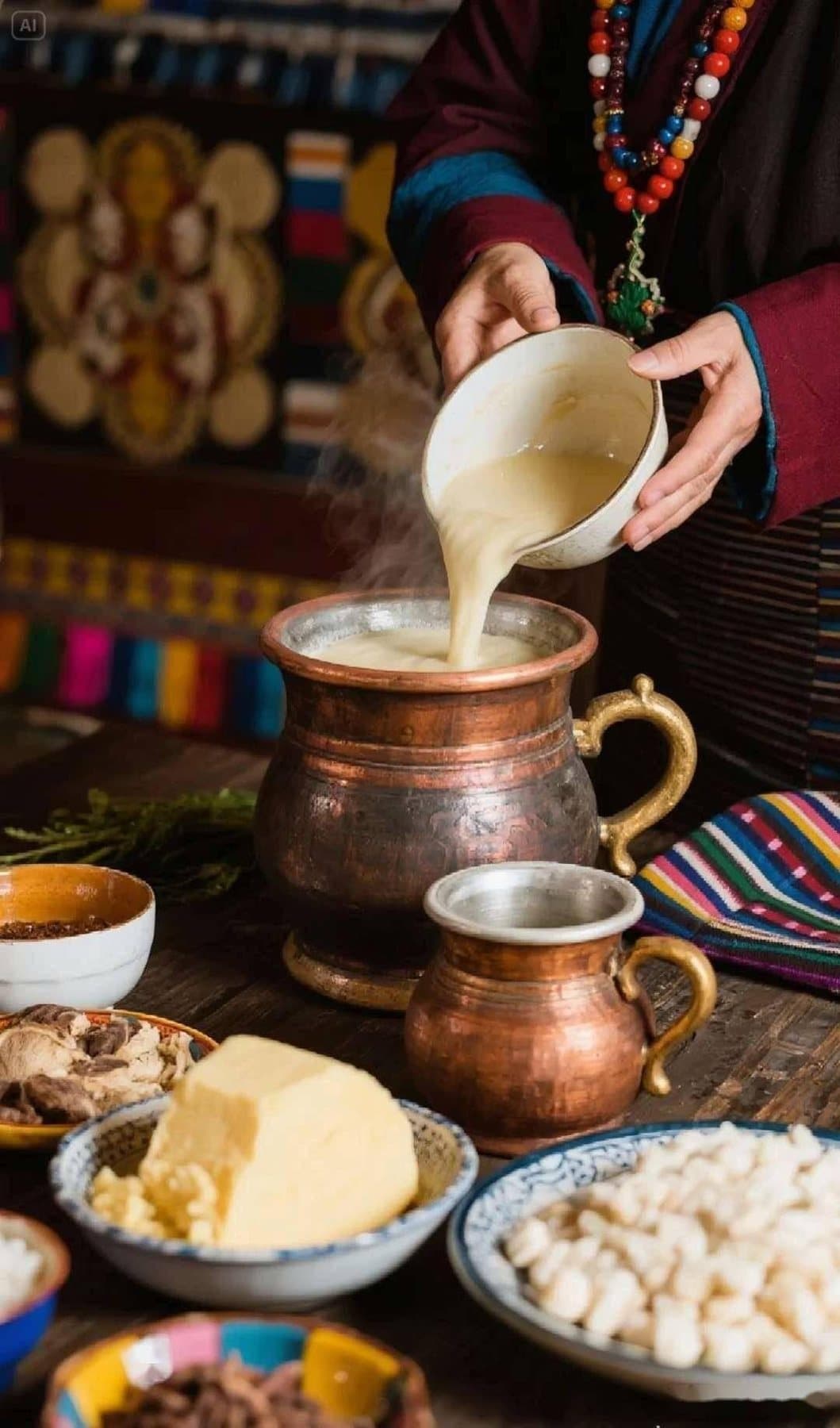
Daily life is closely connected to the land. Butter tea is shared in family homes, and nomadic herding traditions continue across the vast grasslands. Here, spirituality and nature are deeply intertwined, creating a sense of peace that defines the region.