
For many travelers, “Shangri-La” is a name that sounds like pure fantasy, a hidden paradise somewhere beyond the clouds, untouched by time, suffering, or change. For decades, people believed it existed only in imagination. But in southwestern China’s Yunnan Province, there is a place that carries this name today. So the question remains: is Shangri-La real? The answer is both yes—and something more complex.
A Place Born from Fiction
The term “Shangri-La” first appeared in James Hilton’s 1933 novel Lost Horizon. In the story, Shangri-La is a mystical valley hidden deep in the Himalayas, where people live in harmony, age slowly, and enjoy a peaceful, almost eternal life.
It was not based on a real map, but on an idea: a Western imagination of an untouched Eastern utopia. For decades, Shangri-La remained a symbol of escape, mystery, and perfection.
Finding a Real Shangri-La
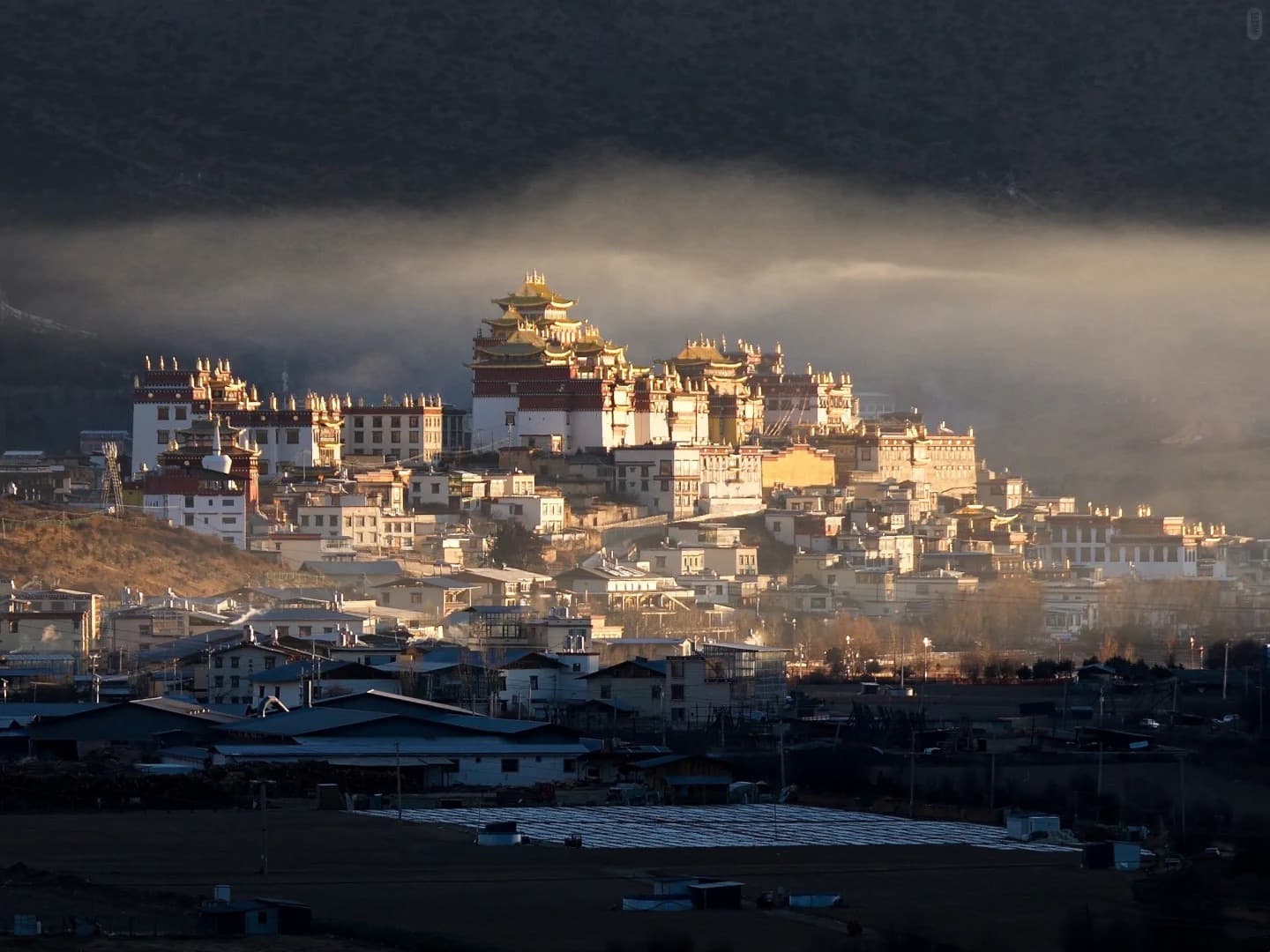
As tourism developed in northwest Yunnan, Zhongdian increasingly became associated with the landscape imagined in Hilton’s novel. The place-name connection centered on Diqing Tibetan Autonomous Prefecture in northwestern Yunnan. This region is home to dramatic snow mountains, vast grasslands, deep valleys, and Tibetan culture that has remained deeply connected to its spiritual and natural environment.
In 2001, the county formerly known as Zhongdian was officially renamed Shangri-La. The name of a fictional paradise became a real geographic location.
What Shangri-La Feels Like Today
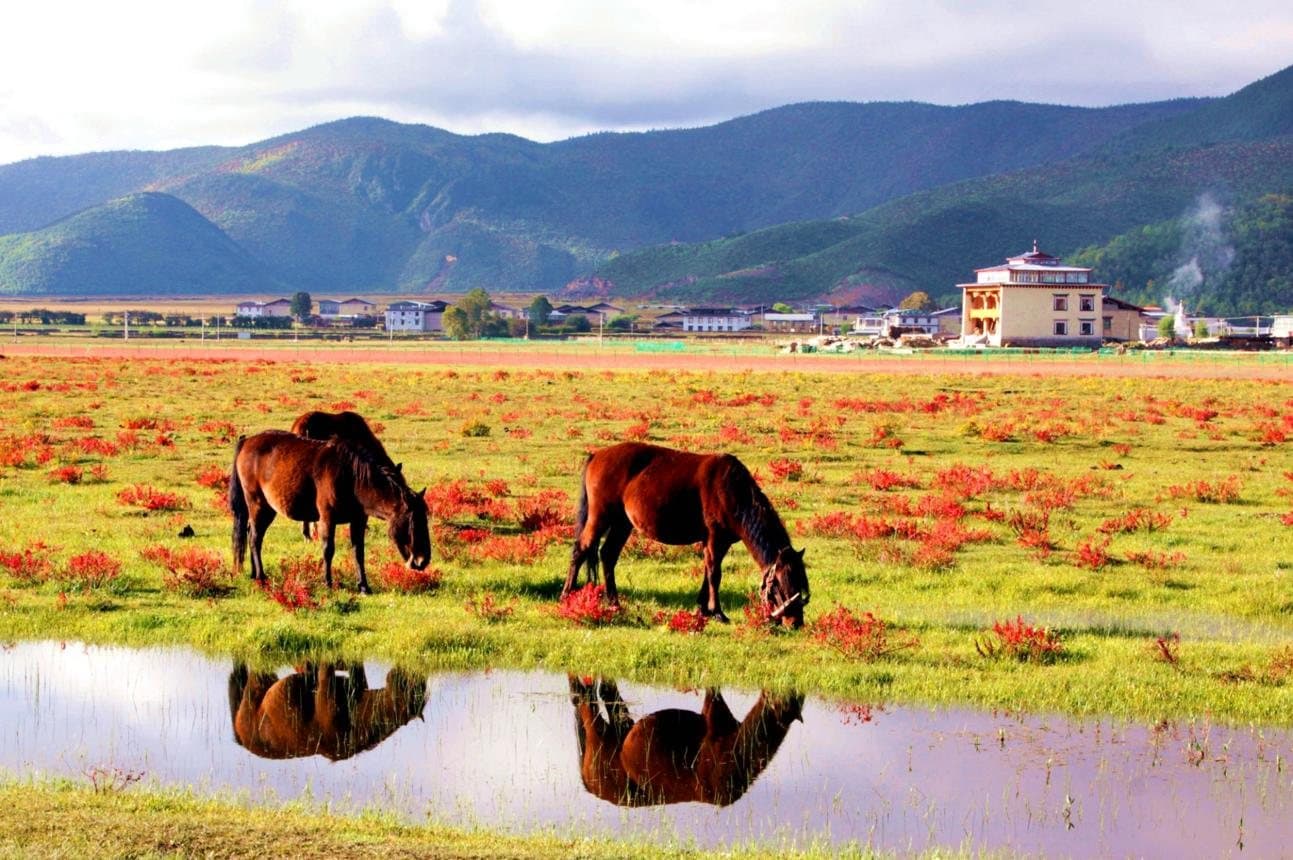
Modern-day Shangri-La is not a fantasy world, but it does carry a sense of stillness and space that feels rare in today’s fast-moving world. Here, prayer flags stretch across mountain ridges, monasteries sit quietly under vast skies, and yaks graze freely on high-altitude grasslands. Life moves slowly, shaped by seasons, faith, and nature rather than urgency.
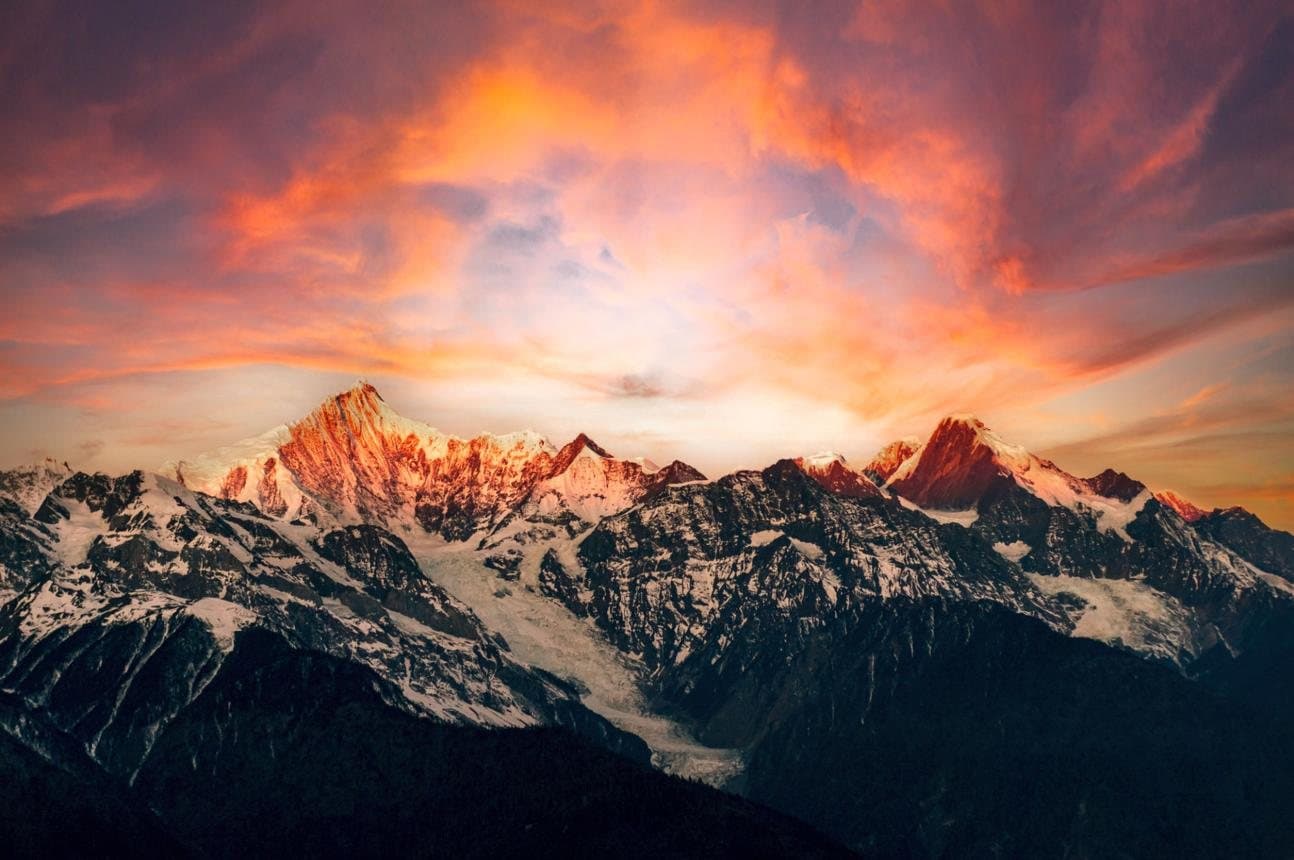
Farther north, in Deqin County within Diqing Prefecture, the peaks of Meili Snow Mountain glow in gold light at sunrise. In the old town of Dukezong, wooden houses and cobblestone streets reflect centuries of Tibetan heritage. In nearby villages, daily life continues in a rhythm closely tied to the land.
A Paradise, But Not a Fantasy
It is important to understand that Shangri-La is not a perfect utopia. It is a real place with real communities, traditions, and challenges. But what makes it special is not perfection—it is balance. A balance between nature and human life, between tradition and change, between silence and survival.
This is why many travelers feel something unique when they arrive. It is not that Shangri-La looks exactly like the story—but that it captures the feeling the story tried to describe.
Why the Name Still Matters
The name “Shangri-La” continues to attract travelers from around the world because it represents more than geography. It represents a desire: to find places that feel untouched, meaningful, and deeply connected to nature. In Yunnan, that idea becomes tangible. Not as a myth, but as a living landscape shaped by mountains, culture, and time.
Final Thought
Shangri-La was once a fictional paradise imagined in a novel. Today, Shangri-La is the name of a real city in Yunnan—not a perfect world, but as a real place where nature, culture, and spirituality continue to coexist in quiet harmony. Perhaps the real question is not whether Shangri-La is real, but what we are searching for when we look for it.