
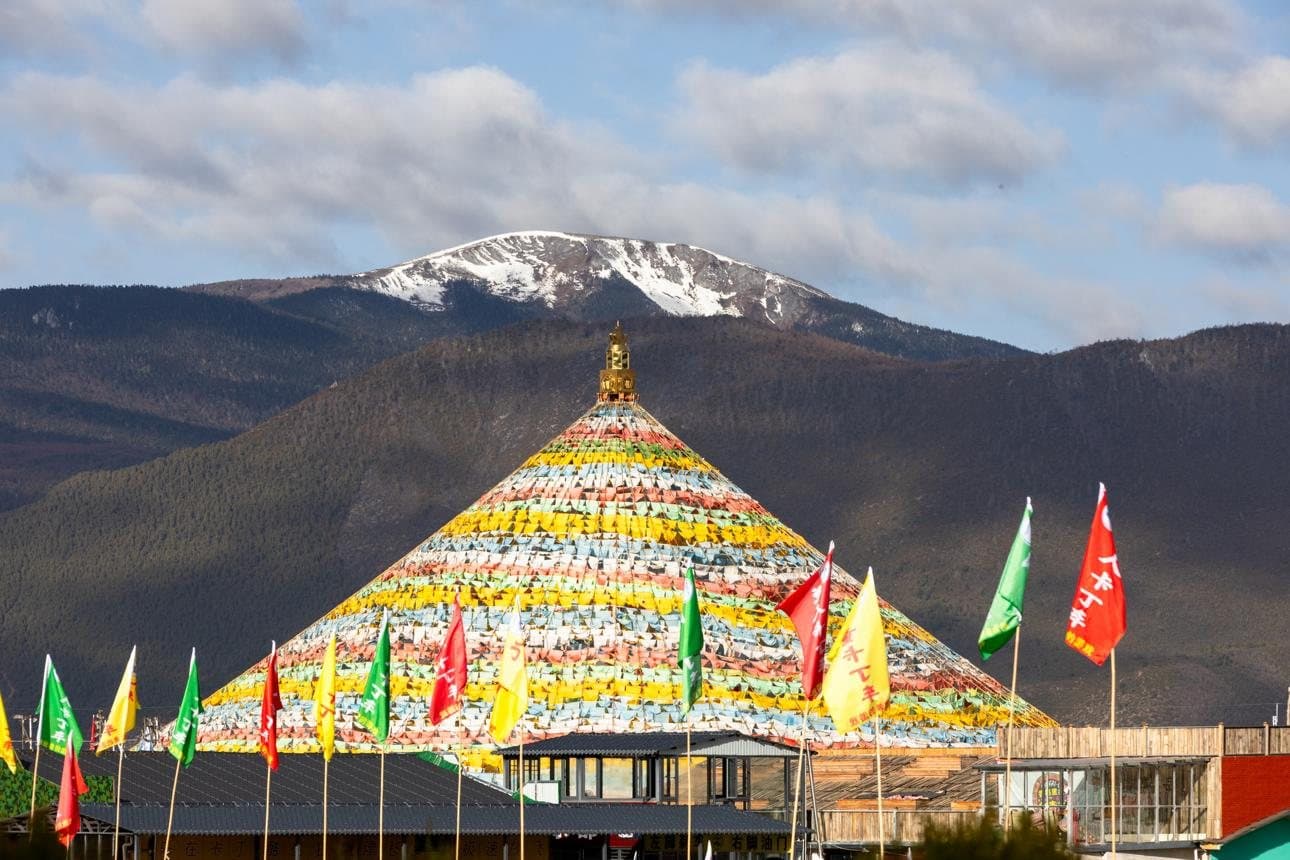
Yunnan is one of the most diverse and surprising regions in China. From ancient civilizations to rare wildlife and world-famous trade routes, many of its facts sound almost unreal—but they are all true.
Yunnan is home to 25 ethnic minority groups
Yunnan is one of the most culturally diverse provinces in China, with 25 officially recognized ethnic minority groups living across mountains, valleys, and lakes. Each group has its own language, traditions, architecture, and festivals. In some regions, multiple cultures exist within just a few hours of travel.

A living pictographic tradition still exists here
The Naxi people preserve Dongba script, one of the last living pictographic writing systems in the world. These symbols are still used in rituals today, written by hand in ancient manuscripts that record myths, prayers, and cultural knowledge passed down for centuries.
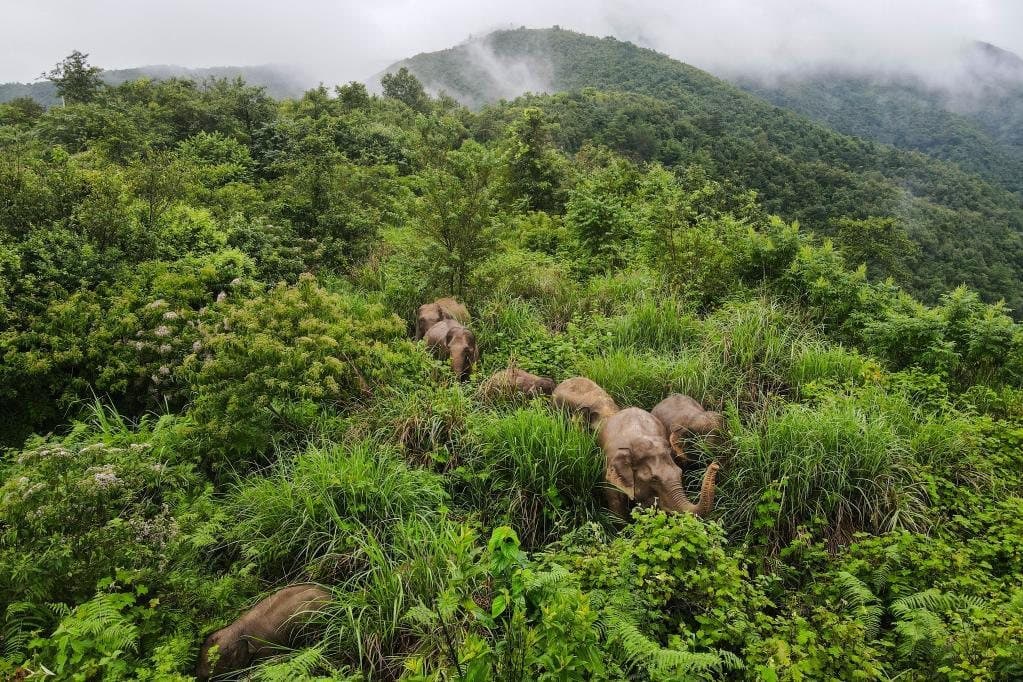
Wild Asian elephants still roam freely in Yunnan
In Xishuangbanna, wild Asian elephants still live in the rainforest and sometimes walk through villages and farmland. It is one of the few places in Asia where humans and wild elephants share the same environment.
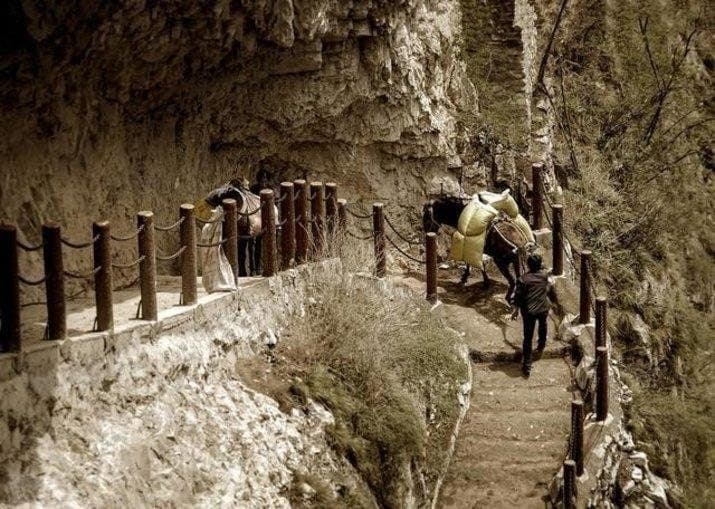

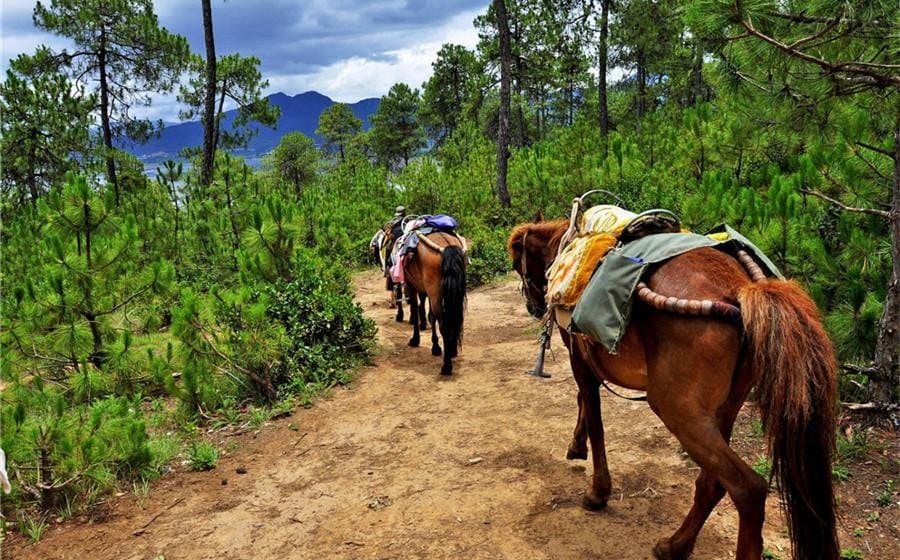
The Ancient Tea Horse Road passed through Yunnan
For over a thousand years, tea from Yunnan traveled along the Ancient Tea Horse Road to Tibet and Southeast Asia, carried by horse caravans through dangerous mountain paths. This route shaped trade, culture, and connections across Asia.
Shangri-La is both a literary idea and a real place name
The name “Shangri-La,” once believed to be fictional, was officially given to a real place in Yunnan. Surrounded by snow mountains, monasteries, and Tibetan culture, the region feels like a hidden paradise above the clouds.


Yunnan produces some of China’s best coffee
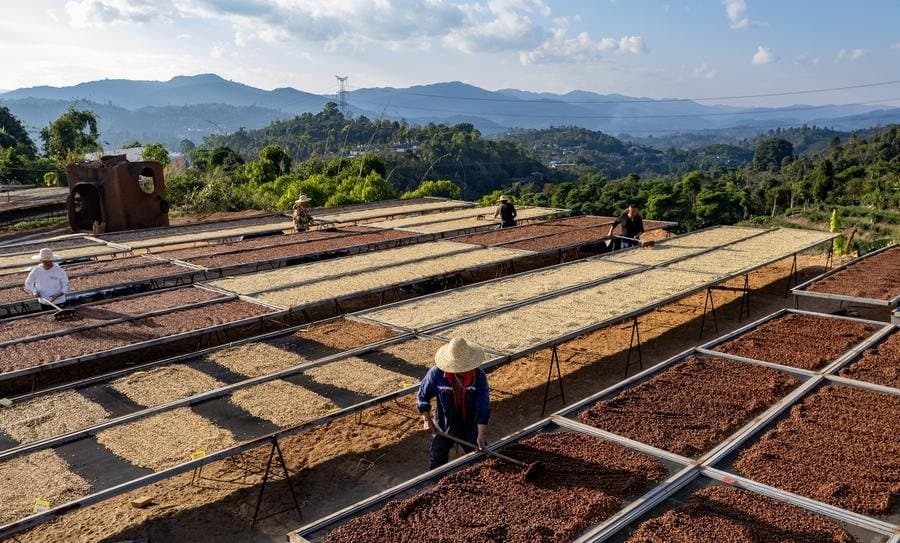
More than 95% of China’s coffee is grown in Yunnan, especially in Pu’er, Baoshan, and Dehong. In recent years, Yunnan coffee has gained global attention for its specialty Arabica beans and mountain-grown flavor profiles.
You can experience four different cultures in one trip
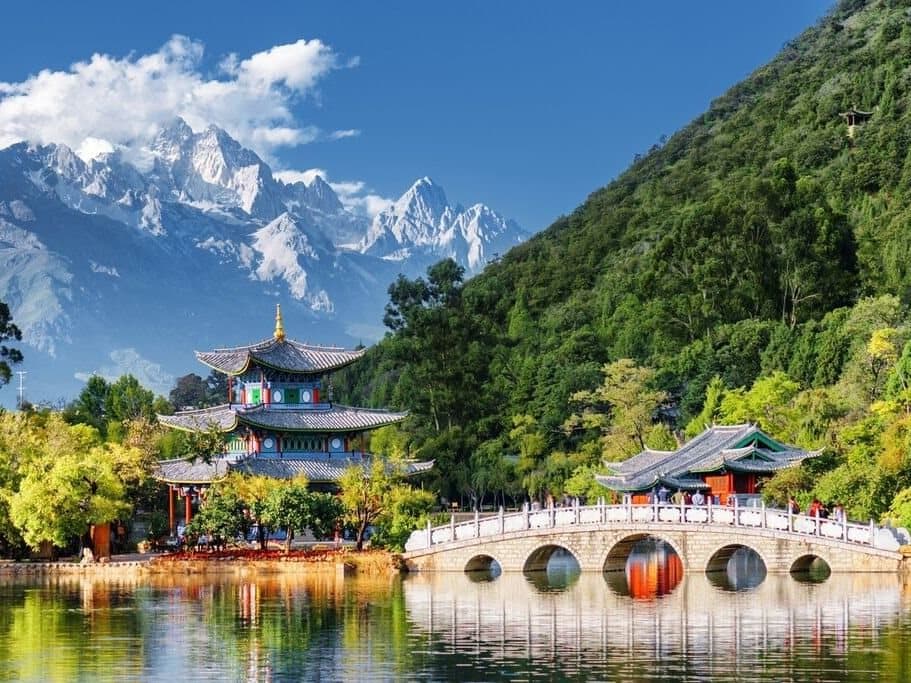
Within a single journey, travelers can experience Tibetan, Bai, Naxi, and Dai cultures—each with distinct architecture, food, traditions, and landscapes. Few places in the world offer such cultural density in such a small geographic area.
Yunnan has “eternal spring” weather in many regions
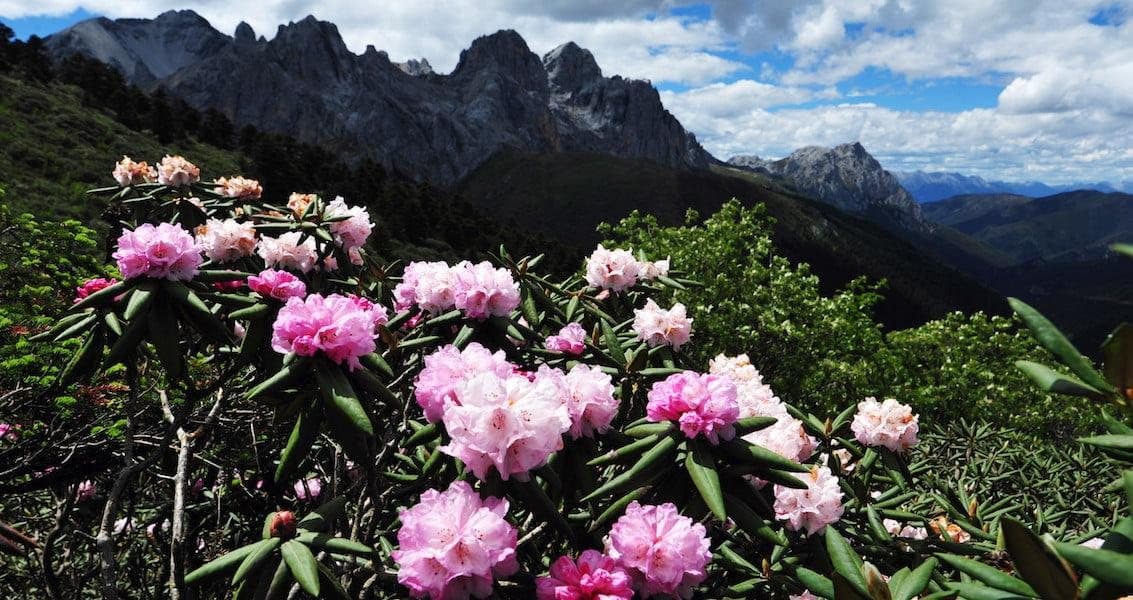
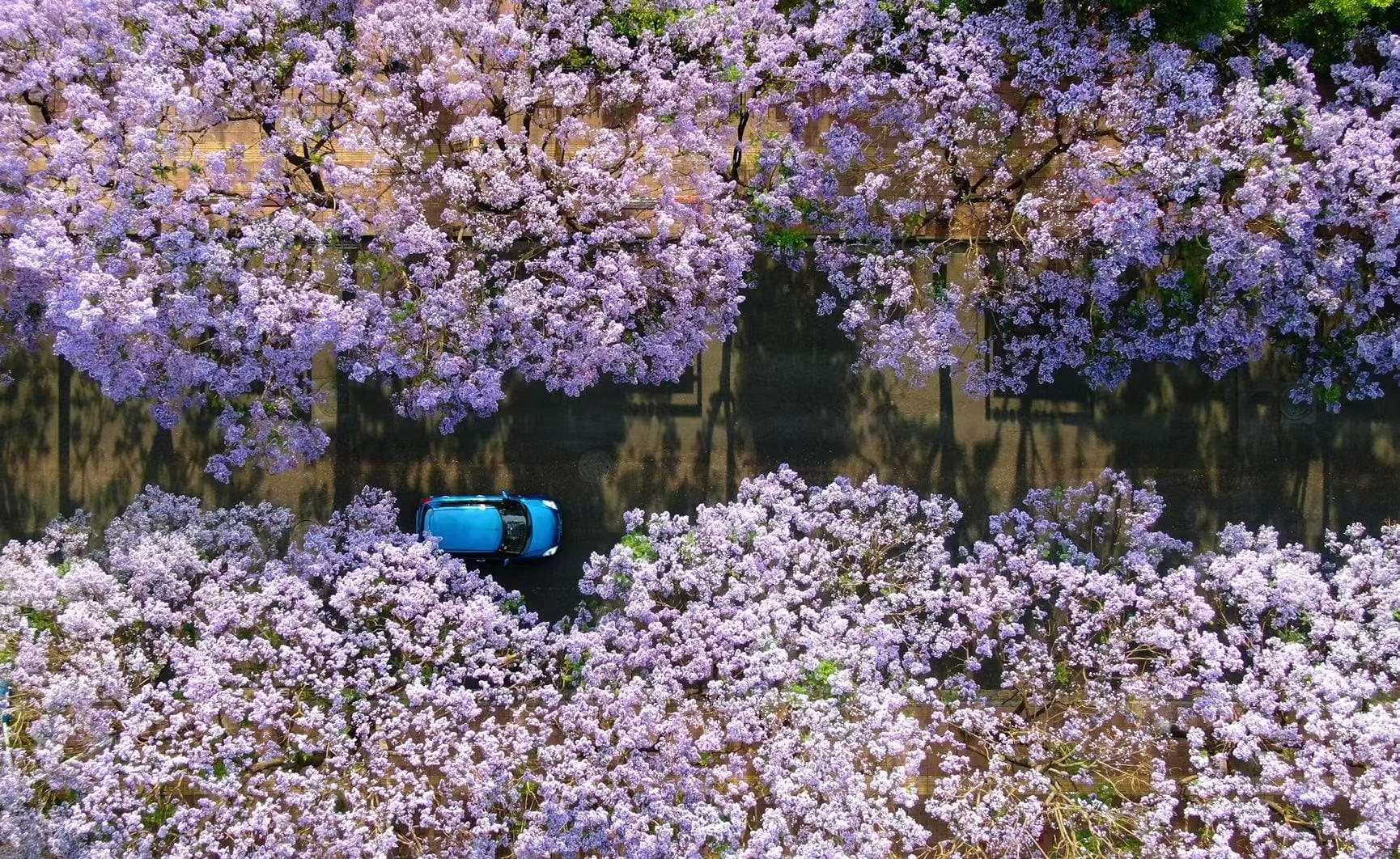
Kunming, the capital of Yunnan, is known as the “Spring City” because of its mild climate year-round. In many parts of Yunnan, seasons feel less extreme, making it possible to enjoy flowers, lakes, and outdoor life throughout the year.
Yunnan is one of the most biodiverse places on Earth
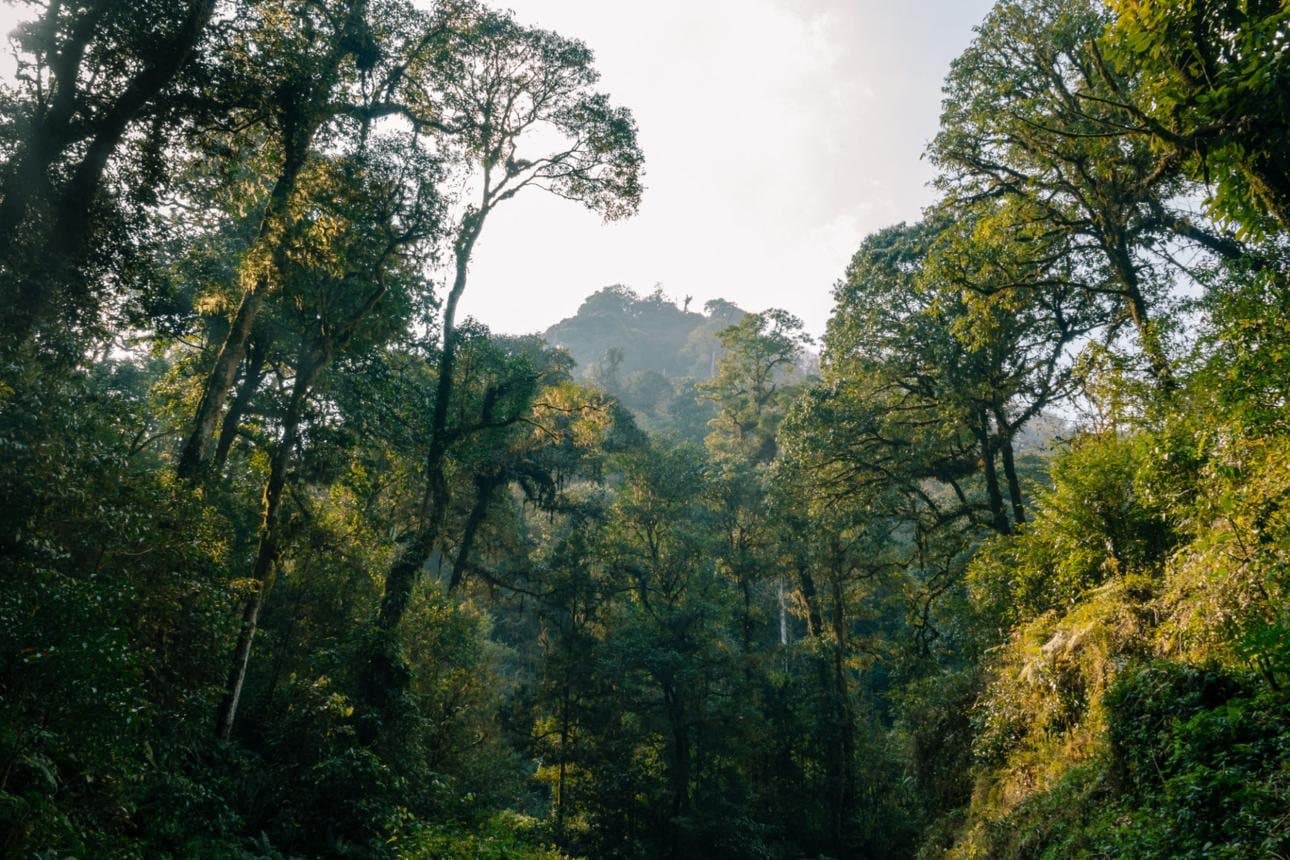
From tropical rainforests to snow-covered peaks, Yunnan contains some of the richest biodiversity in China. It is often called a “natural museum,” where ecosystems change dramatically within just a few hours of travel.
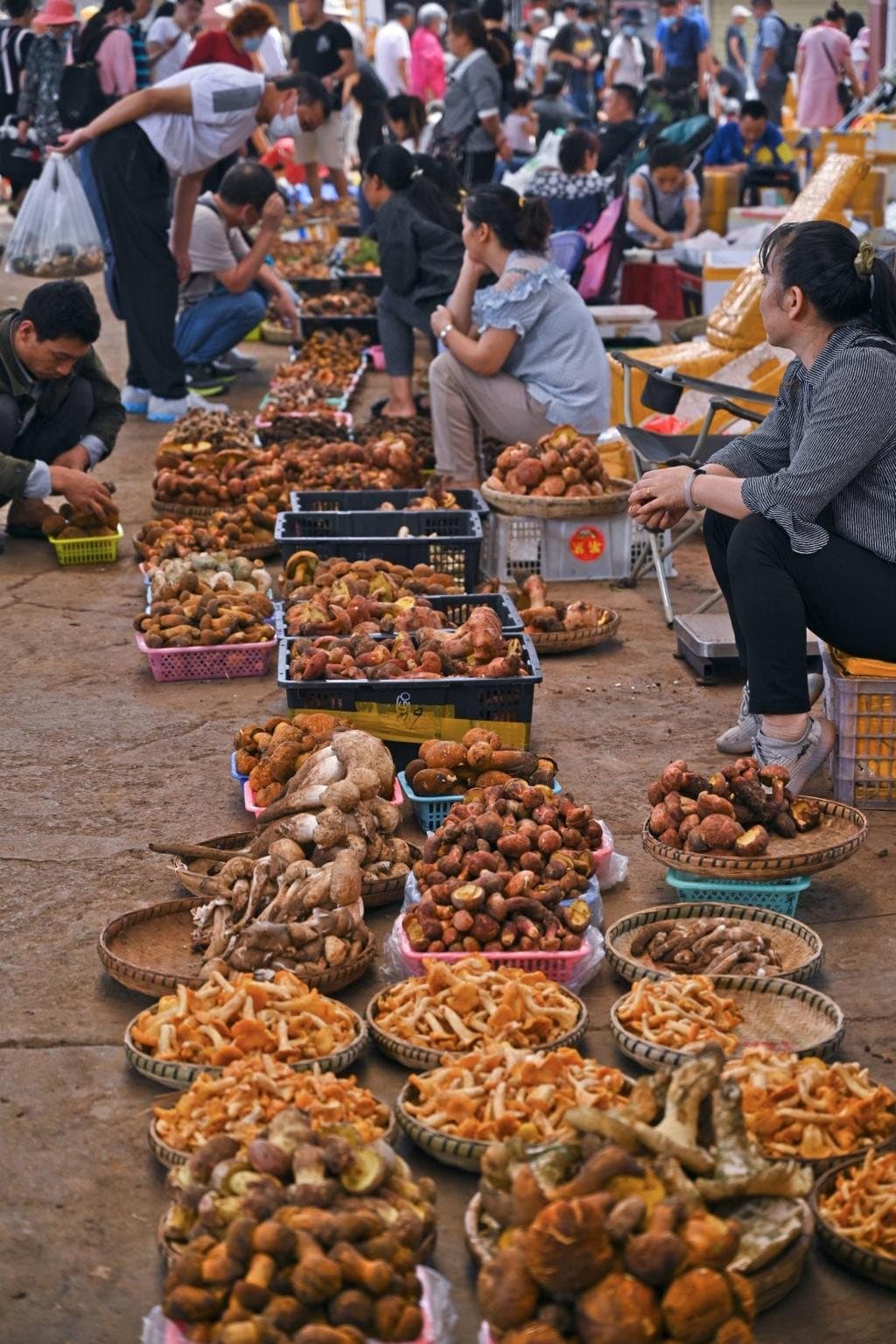
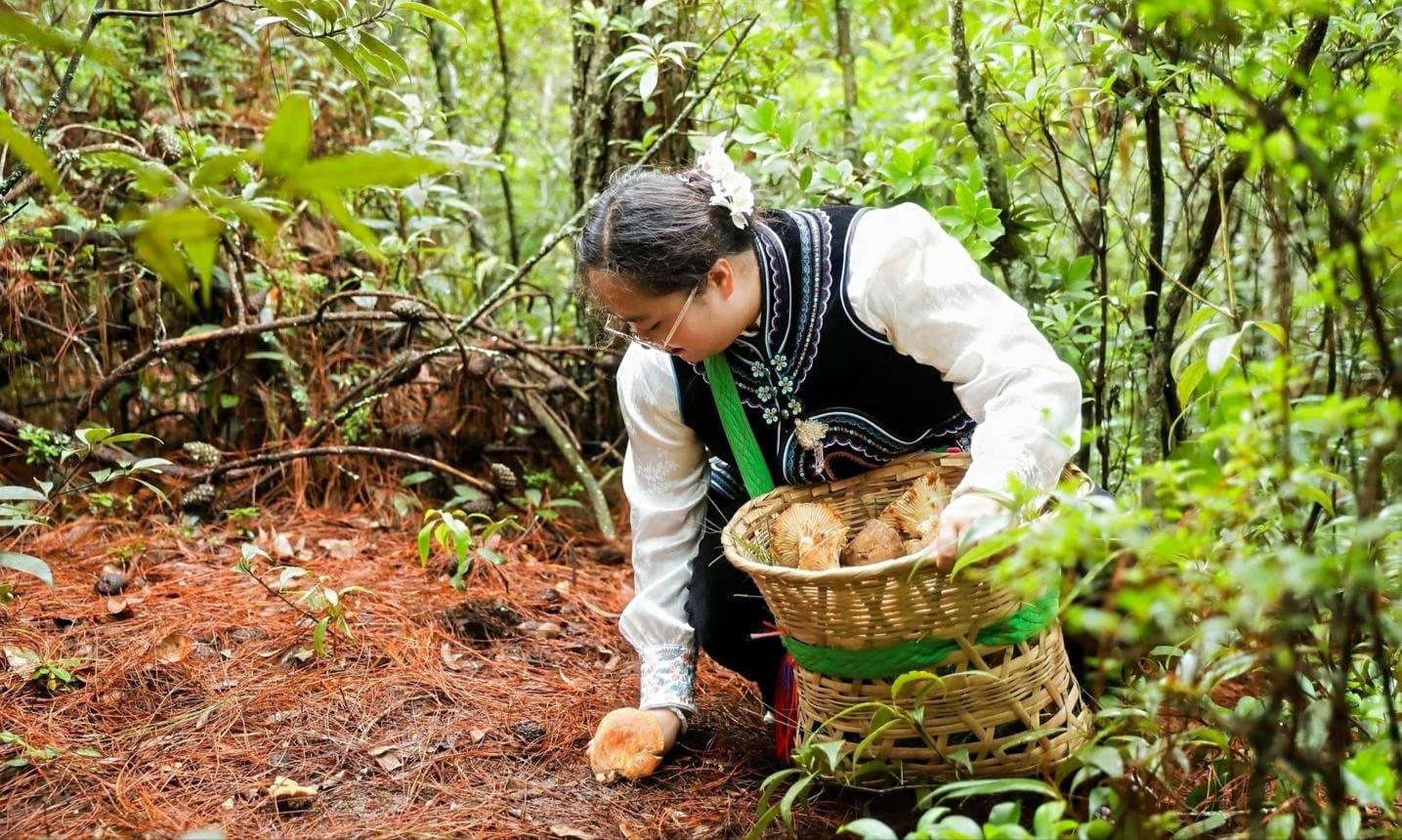
Mushroom season is a real cultural phenomenon
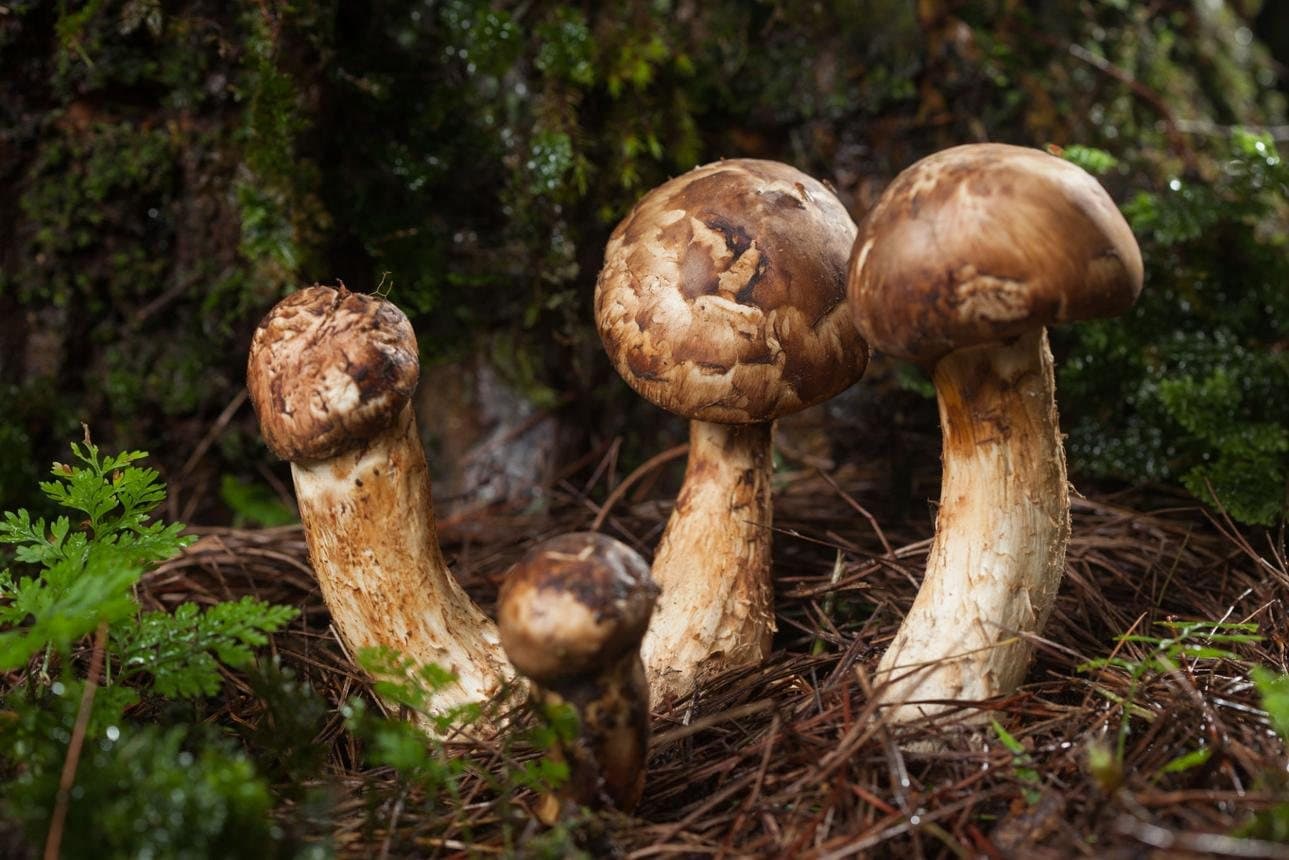
Every summer, Yunnan enters “wild mushroom season,” when locals head into forests to collect rare fungi such as matsutake, porcini, and other wild mushrooms. Some of these mushrooms are so rare and valuable that they are exported worldwide.