Where Wild Nature Still Lives Freely
Yunnan is one of the most biodiverse regions in the world. From tropical rainforests to snow-covered mountains, it is home to rare wildlife, ancient ecosystems, and landscapes that feel untouched by time. Here, nature is not something you visit—it is something you enter.
🐘 Wild Asian Elephants of Xishuangbanna
Living Alongside Humans in the Rainforest
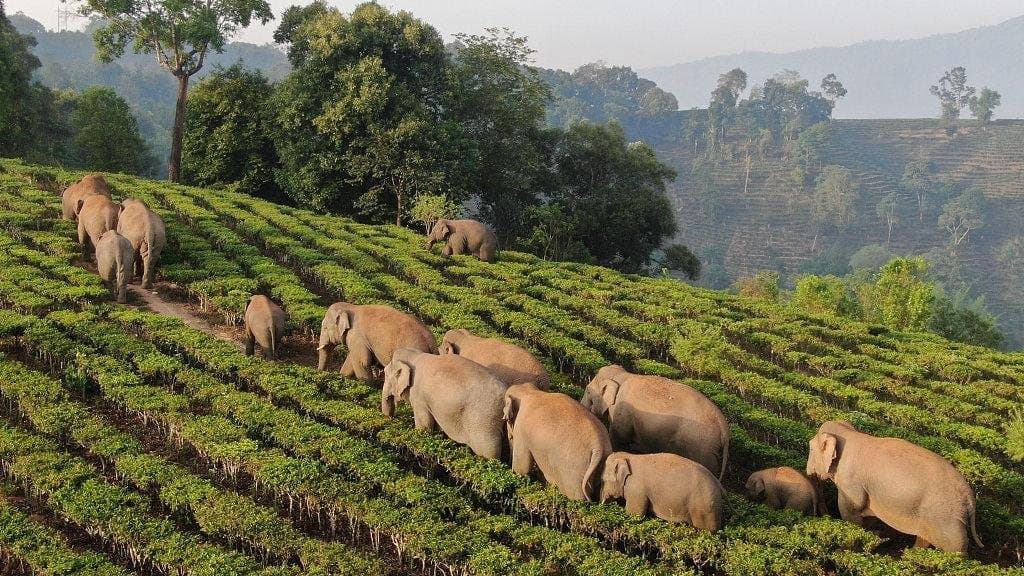
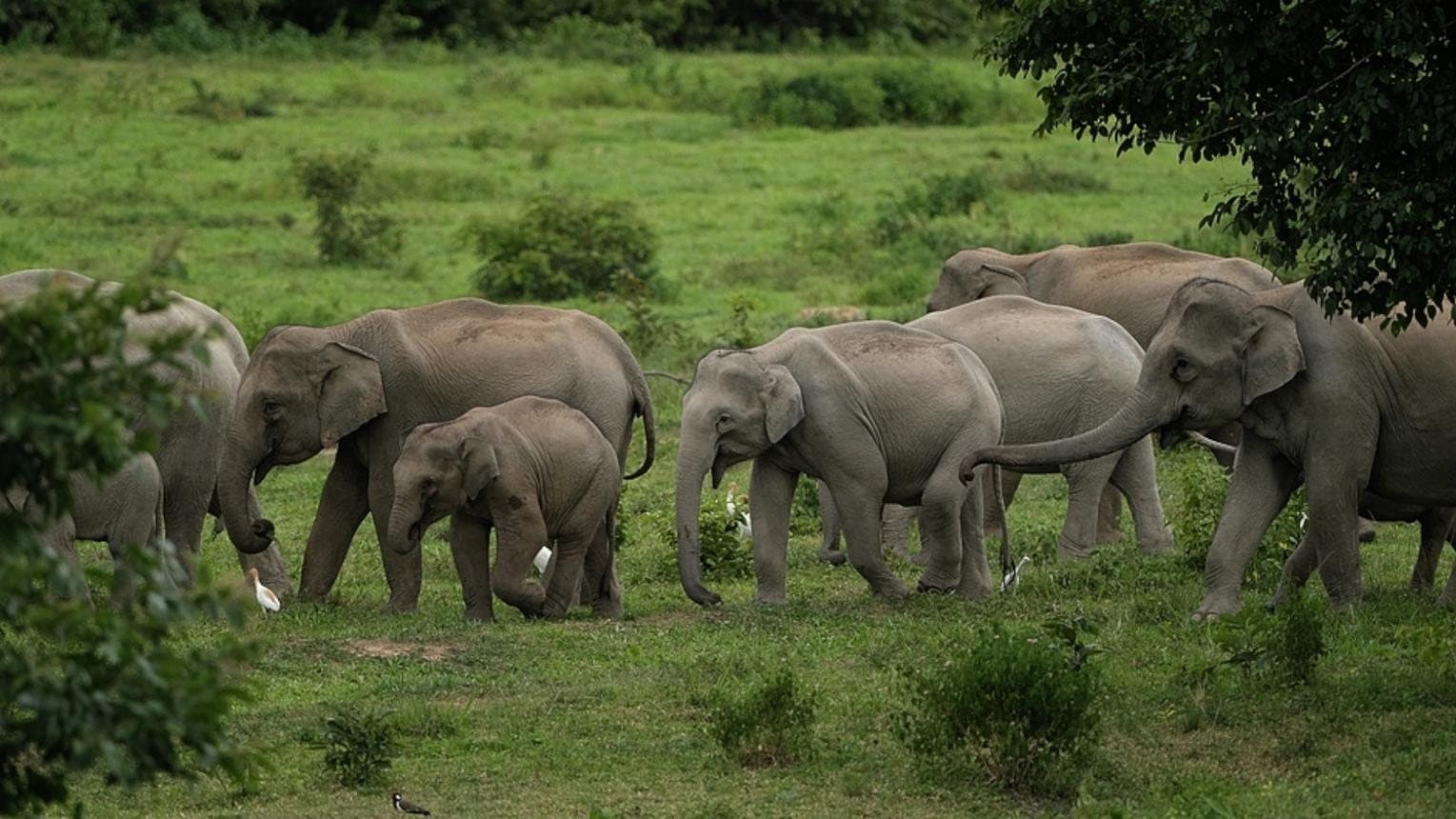
In the tropical rainforests of Xishuangbanna, wild Asian elephants still roam freely. This is one of the few places in China where humans and elephants share the same environment. In recent years, elephant herds have even been seen wandering through villages and farmland, a rare reminder of how closely nature and human life are intertwined in Yunnan.
Conservation efforts have helped protect their habitat, allowing these gentle giants to continue moving between forest, river, and community.
🐒 Yunnan Snub-Nosed Monkeys
One of the World’s Rarest Primates
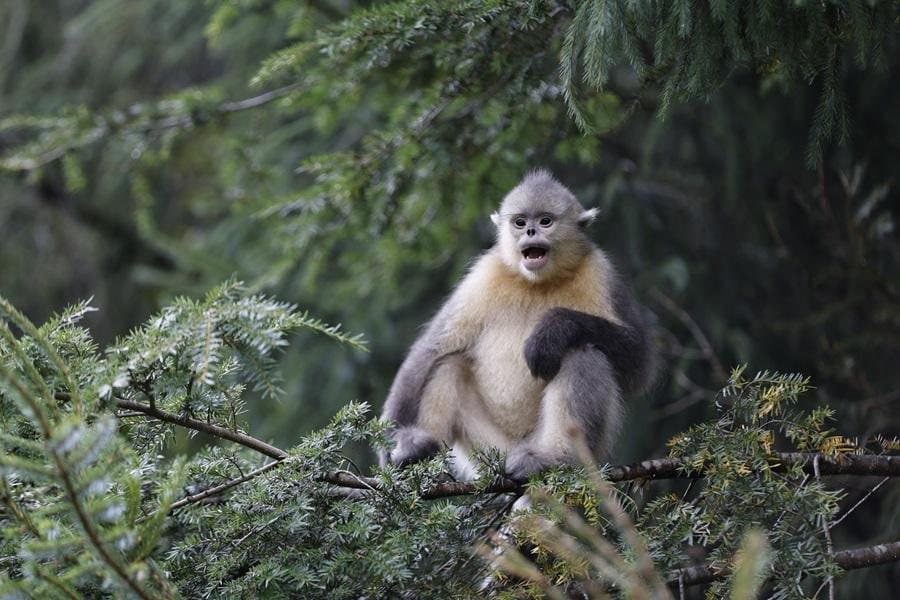
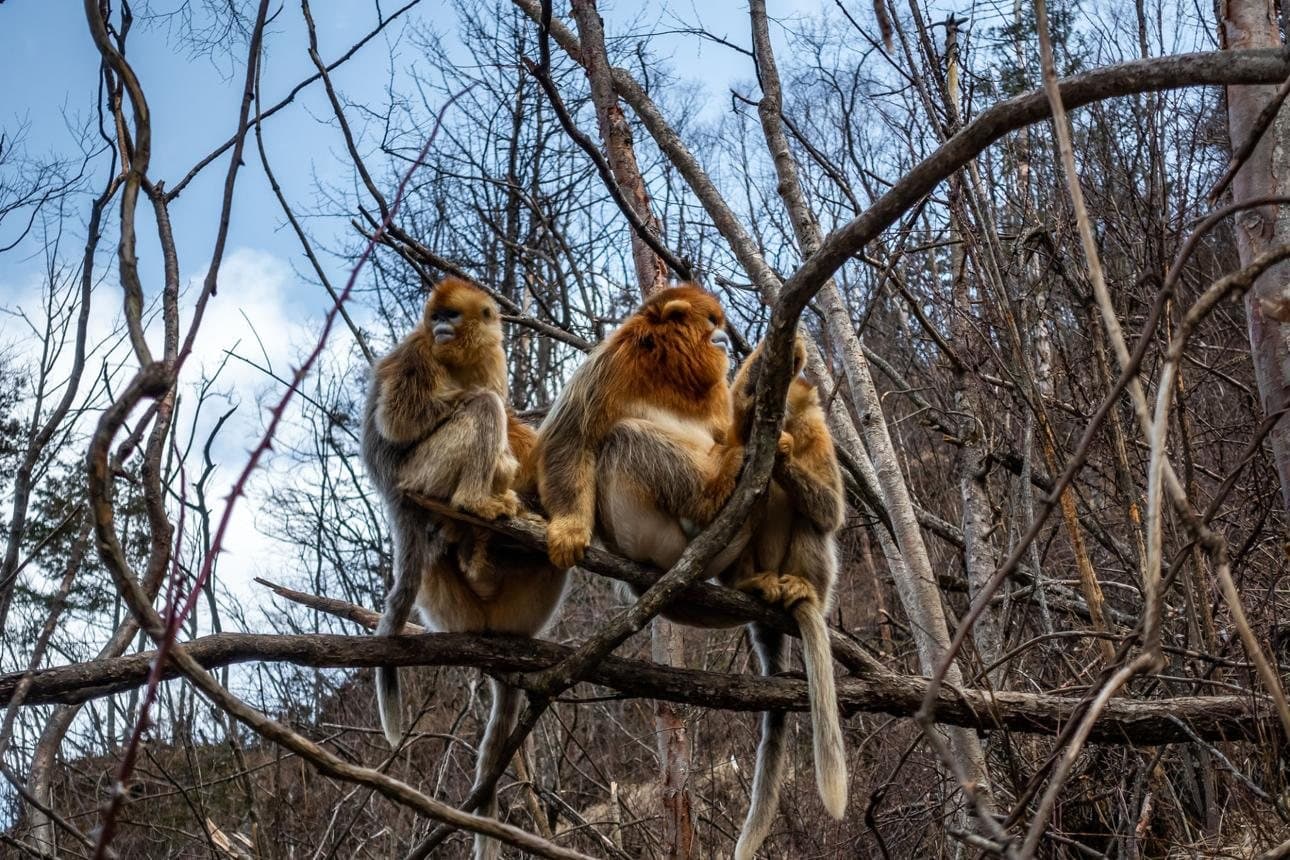
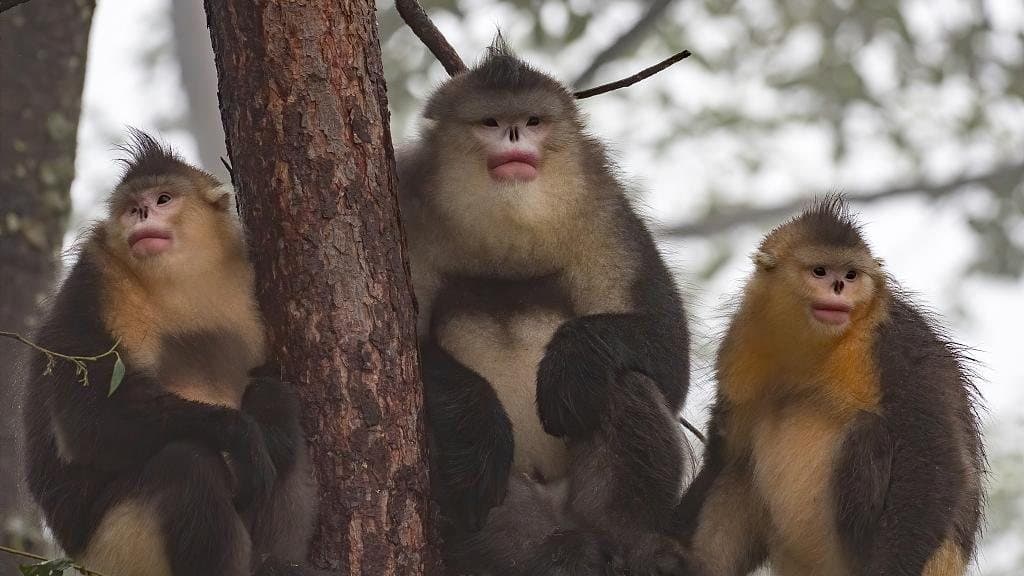
High in the cold mountain forests of northwestern Yunnan lives one of the world’s rarest primates—the Yunnan snub-nosed monkey. With its distinctive blue face and thick fur adapted to extreme cold, this species survives in some of the harshest environments on Earth.
Living in complex social groups, they move through alpine forests that are often covered in snow, making them one of the most unique wildlife species in Asia.
🏔 Three Parallel Rivers
Where Three Great Rivers Flow Side by Side
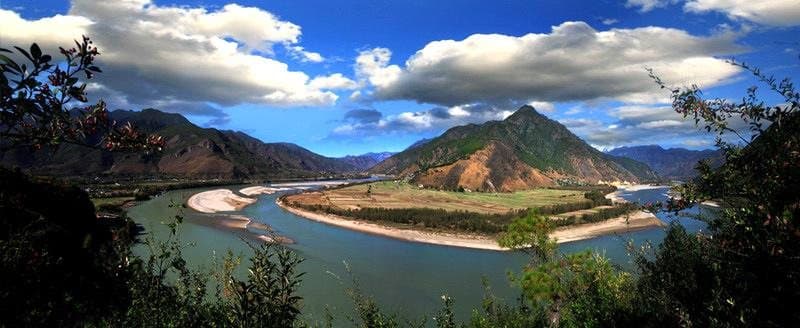
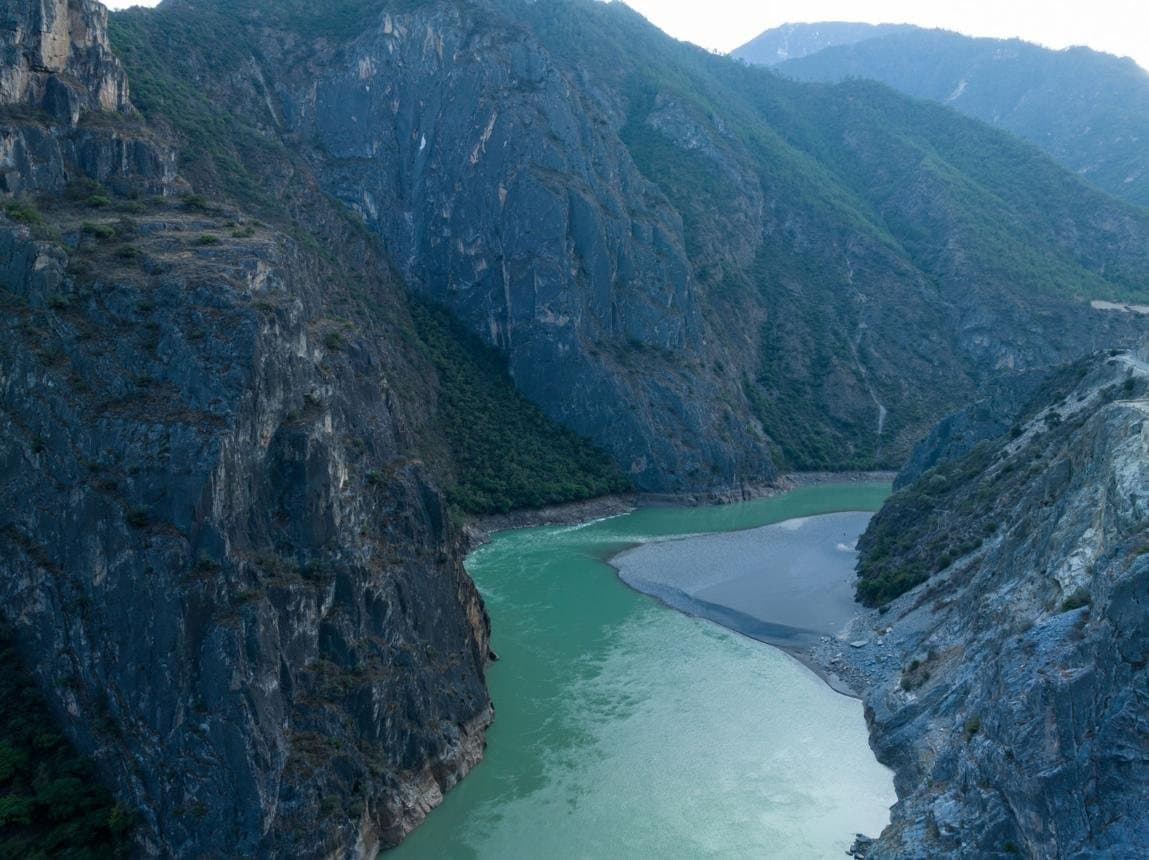
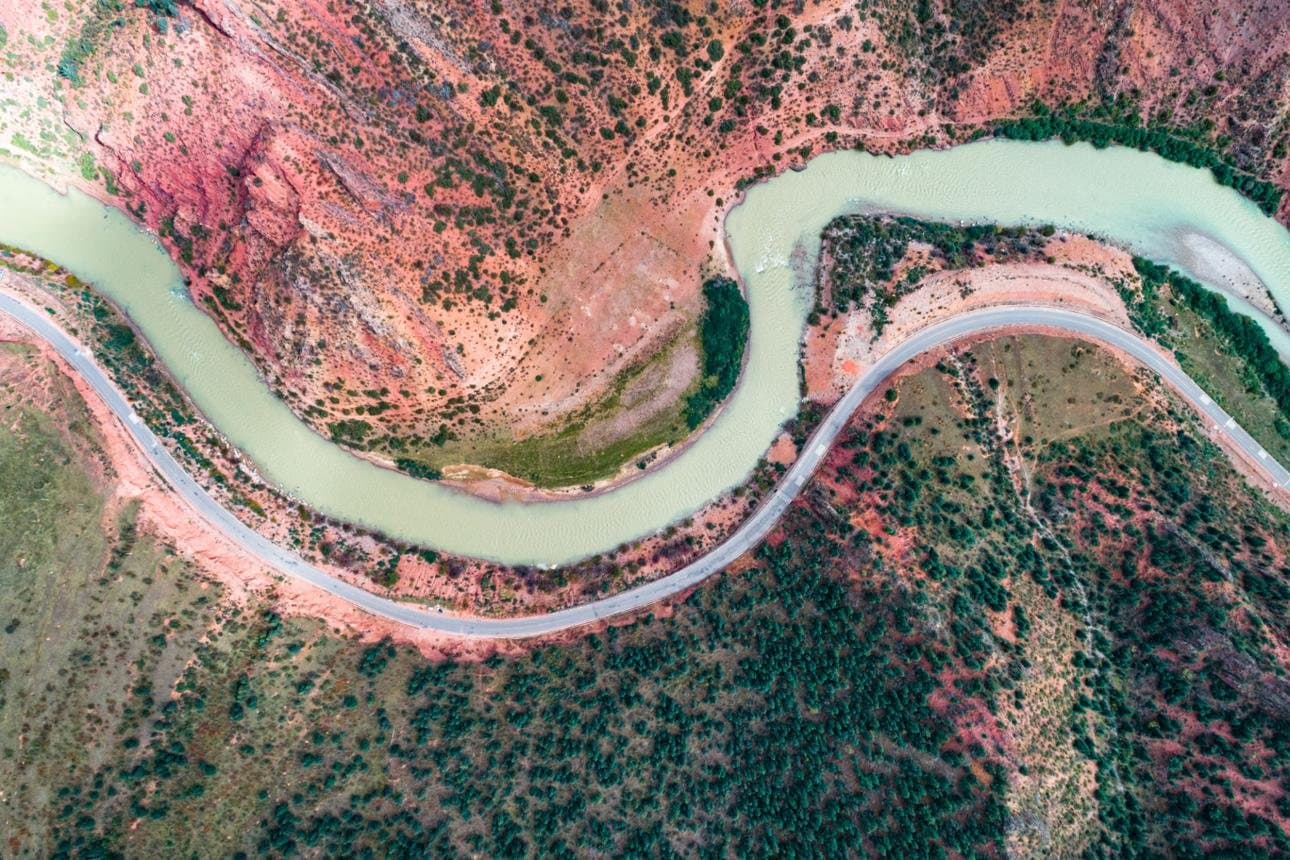
In northwestern Yunnan, three of Asia’s great rivers—the Yangtze, Mekong, and Salween—flow parallel to each other through deep, dramatic valleys. This rare geological phenomenon has created one of the most diverse ecosystems on Earth, with extreme elevation changes and thousands of plant and animal species.
Recognized as a UNESCO World Heritage Site, it is often described as one of the most beautiful and complex natural landscapes in China.
🌸 Rhododendron Kingdom
Yunnan’s Endless Spring of Flowers
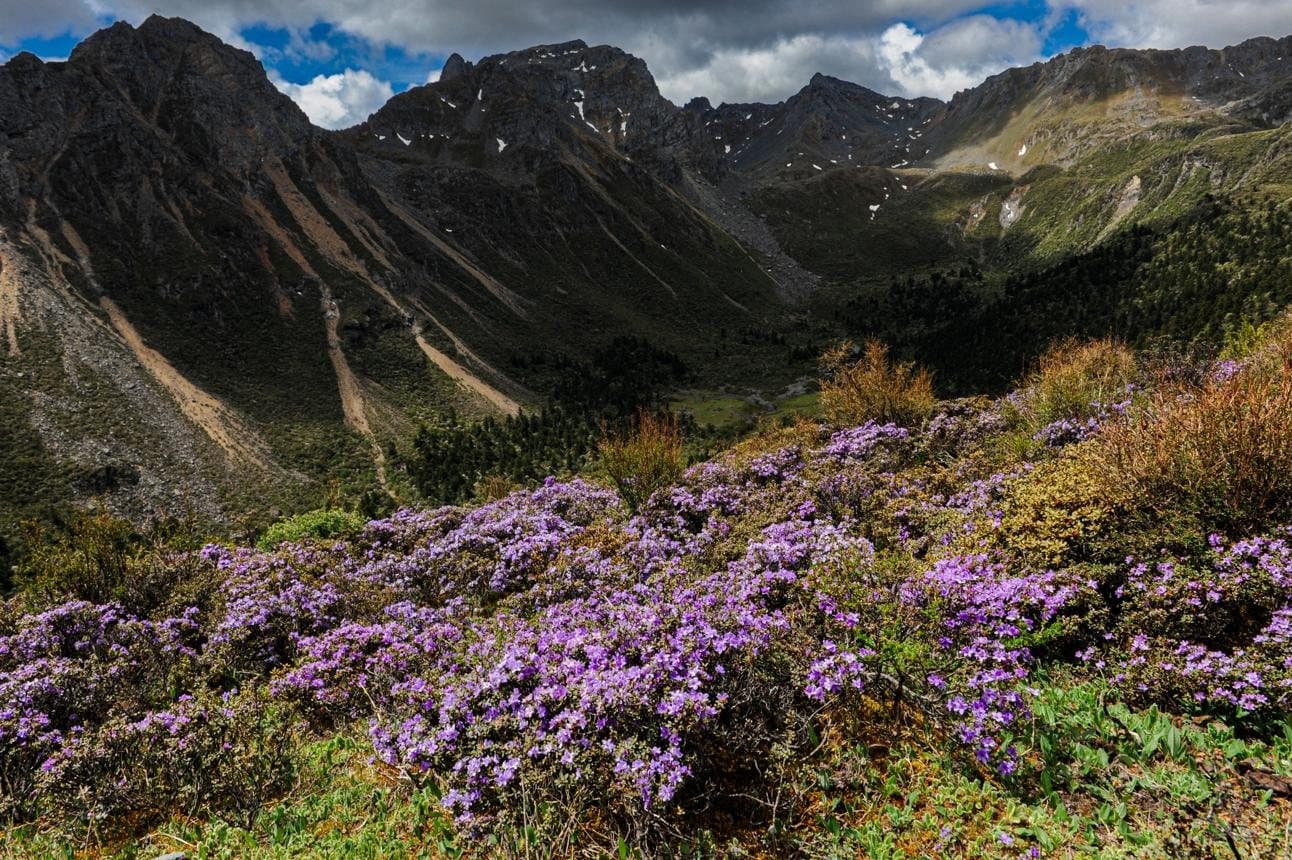
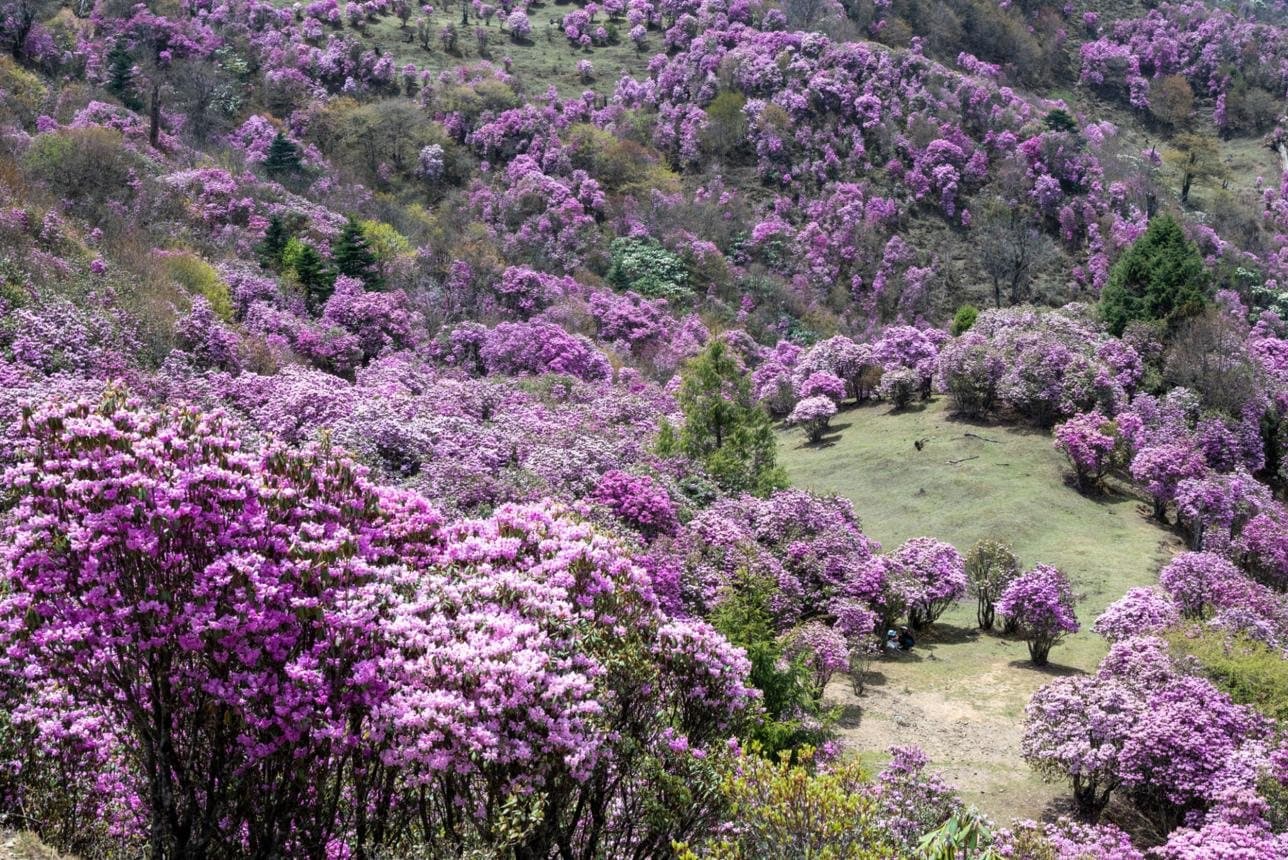
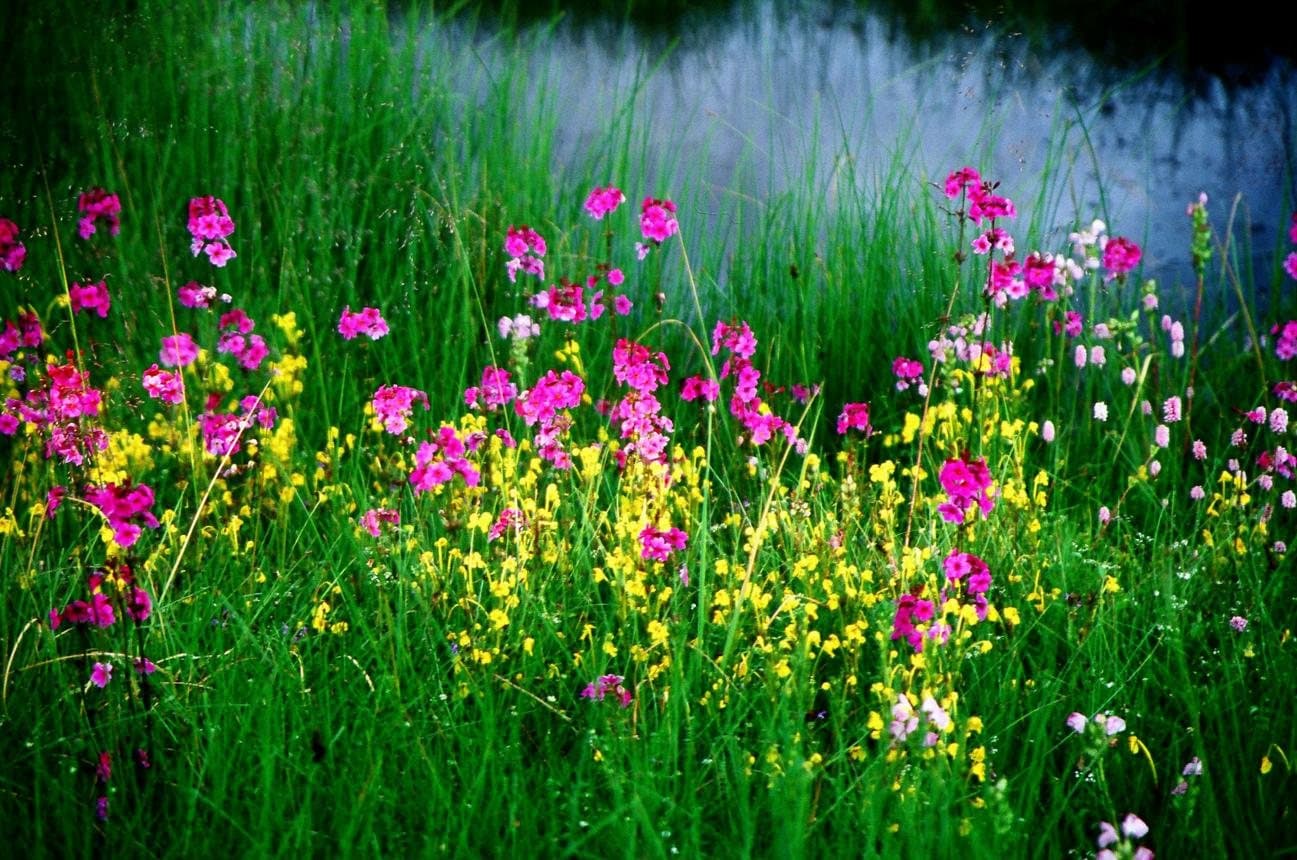
Yunnan is sometimes called the “Kingdom of Plants,” and its rhododendron forests are among the most spectacular examples. Every spring, mountains transform into seas of pink, purple, and red blossoms. These wildflowers grow at different elevations, creating a continuous bloom across seasons and regions. It is one of the most visually striking natural experiences in the province.
🏔 Meili Snow Mountain
Sacred Peaks of the Tibetan Plateau
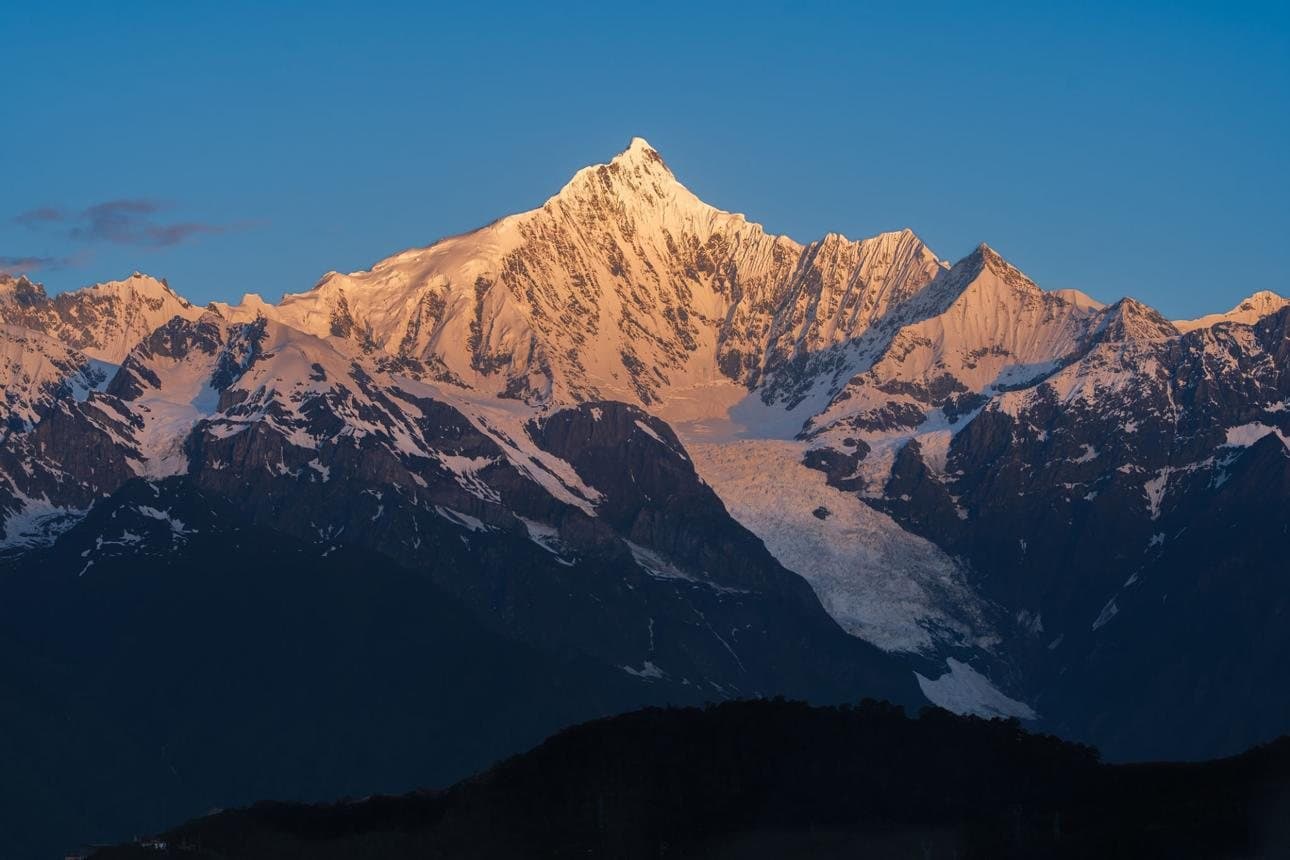
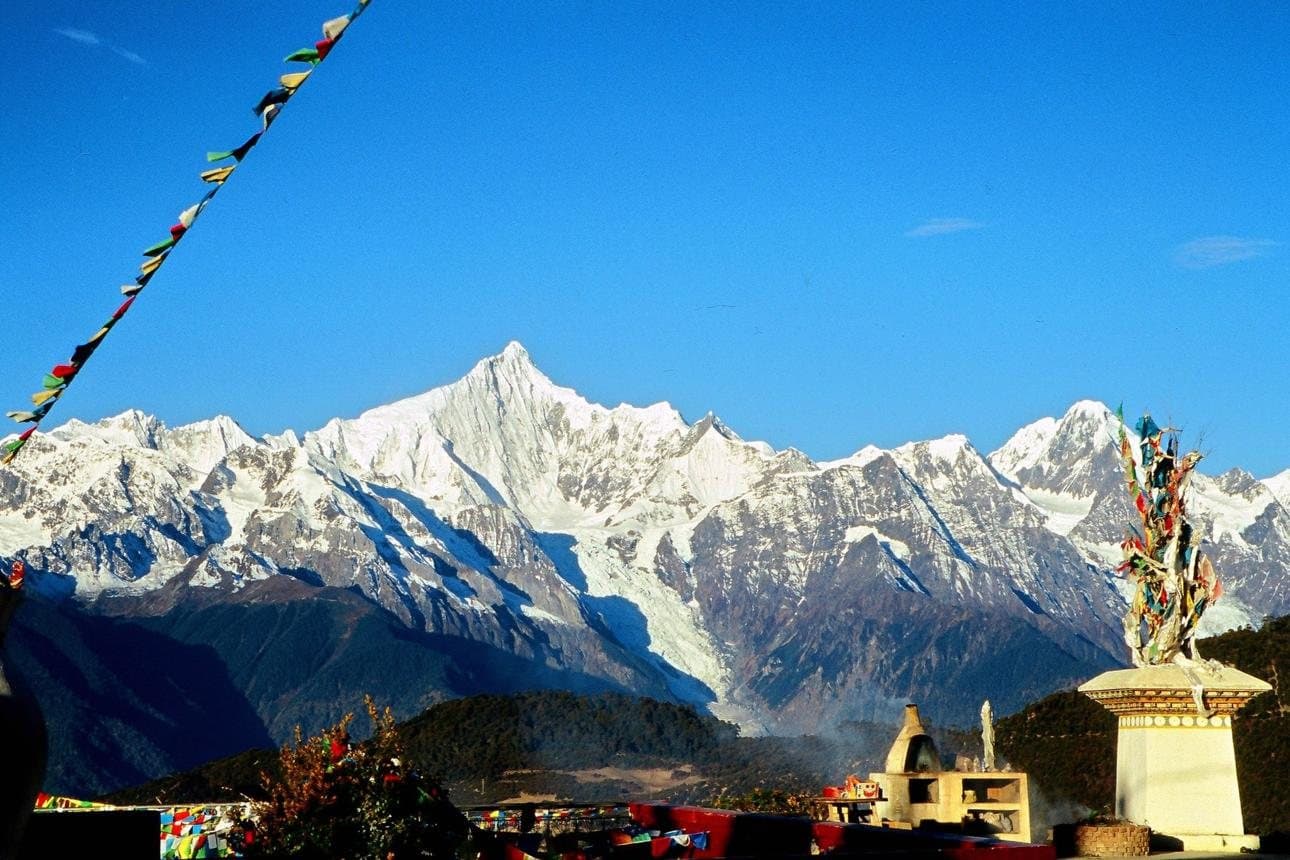
Meili Snow Mountain, home to Kawagarbo Peak, is considered sacred in Tibetan culture and remains one of the most beautiful unclimbed mountains in the world. For local communities, it is not just a mountain, but a spiritual presence. Prayer flags, monasteries, and pilgrimage routes all reflect its sacred significance. At sunrise, the peaks glow in gold, creating one of the most iconic natural scenes in Yunnan.
🌲 Pudacuo National Park
Forests, Lakes, and High-Altitude Ecosystems
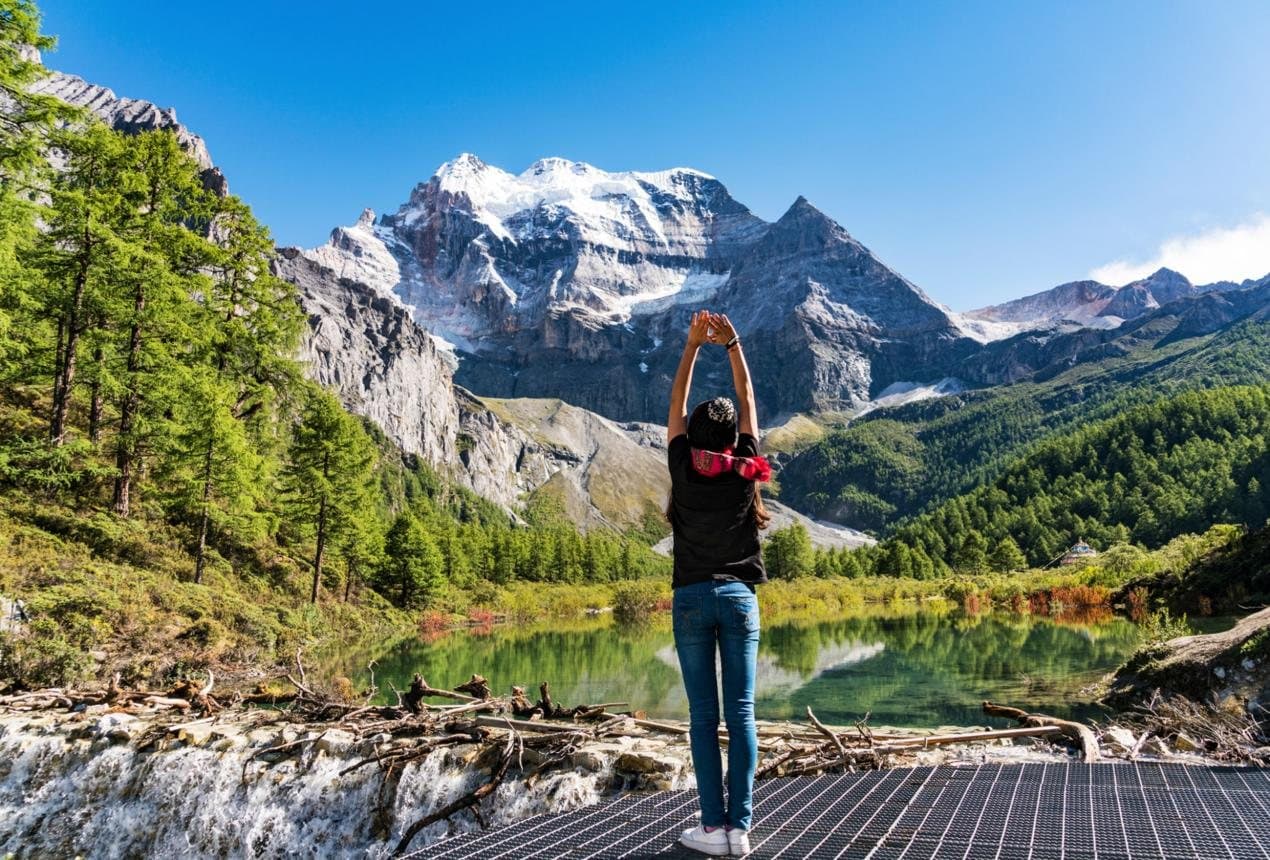
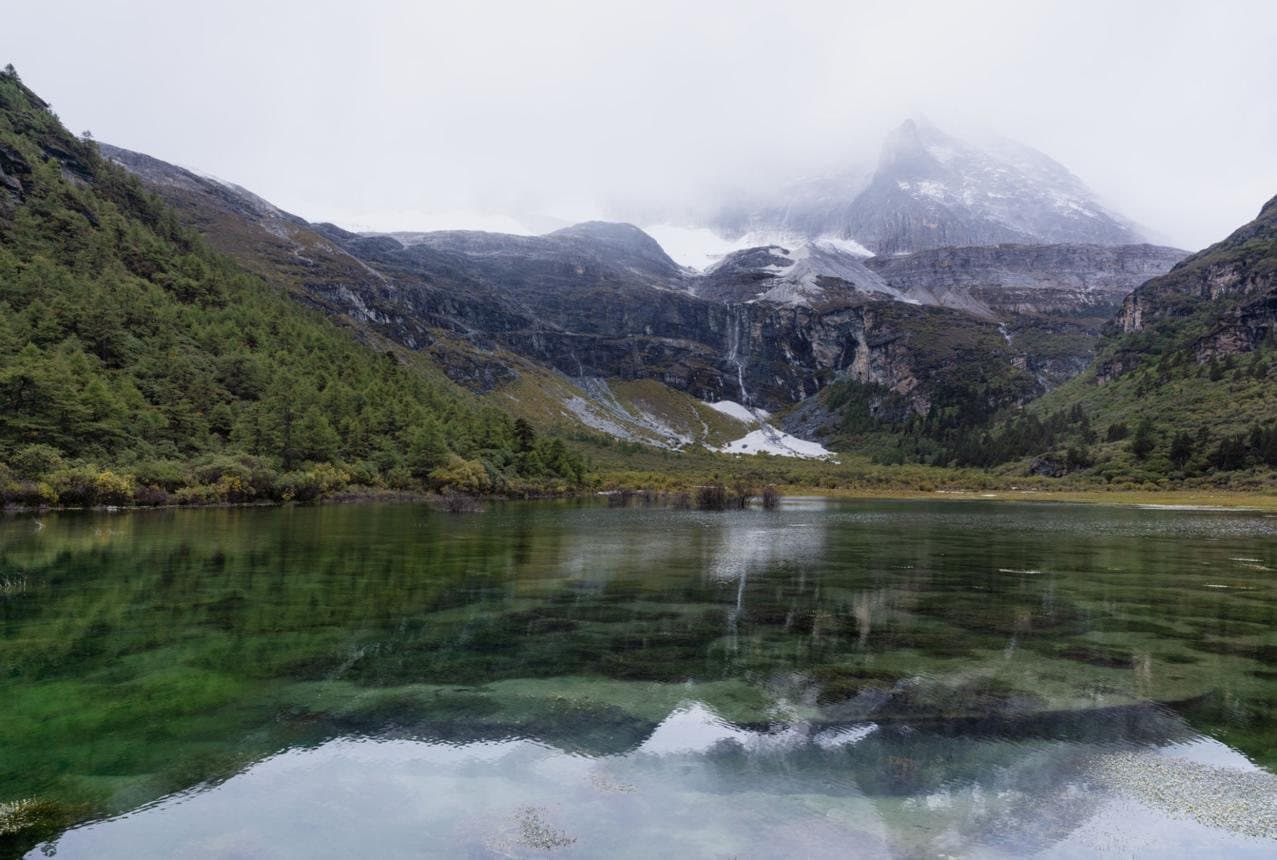
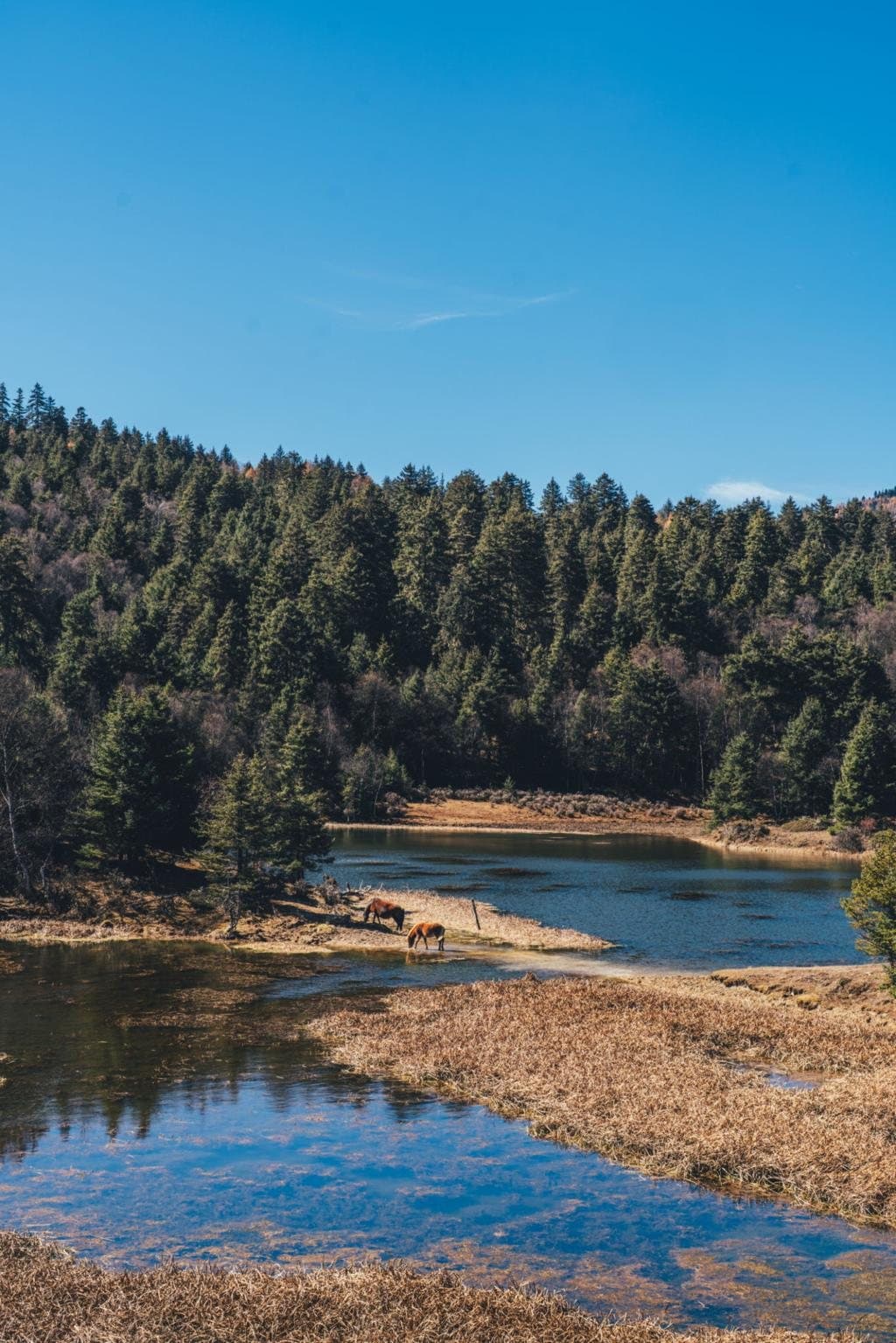
Located near Shangri-La, Pudacuo National Park is part of the UNESCO World Heritage “Three Parallel Rivers” area. It features pristine lakes, alpine meadows, and dense forests, all preserved in a relatively untouched state. Wooden boardwalks allow visitors to explore without disturbing the fragile ecosystem. It is one of the best examples of high-altitude biodiversity in China.
🌿 Yunnan: A Living Natural Museum
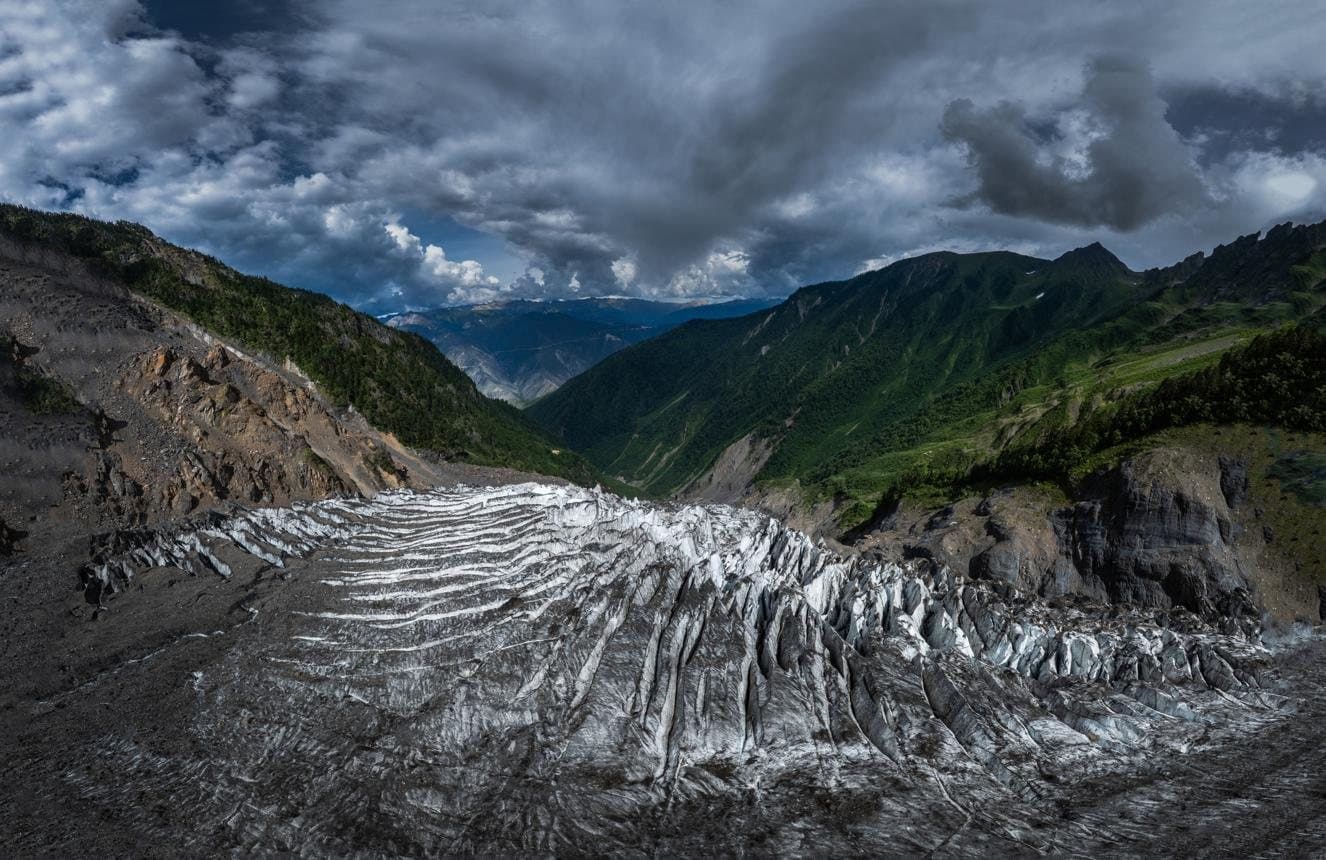
Yunnan is not defined by a single landscape, but by extremes that exist side by side—tropical rainforests, snow mountains, deep river gorges, and flower-filled valleys. It is a place where elephants still walk through forests, monkeys survive in freezing mountains, and ancient ecosystems continue to shape human life.
For travelers, Yunnan is not just a destination. It is a reminder of what the natural world once was—and what it can still be.