
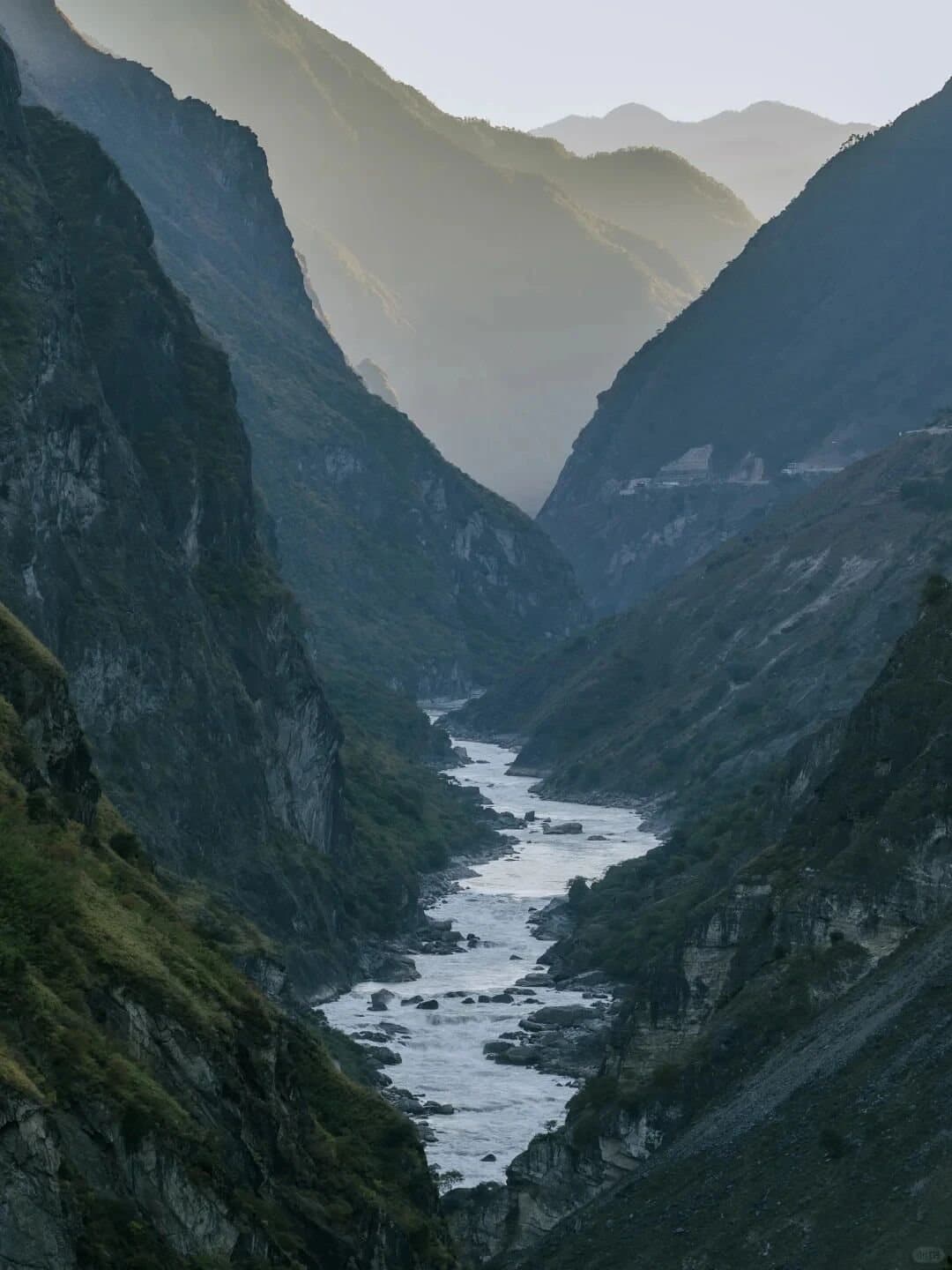
Between Jade Dragon Snow Mountain and Haba Snow Mountain, the Jinsha River cuts through the land with extraordinary force. This is Tiger Leaping Gorge. Here, the mountains do not rise gently. They stand like walls. The river does not flow softly. It crashes, twists, roars, and throws itself against stone. The sky seems narrow, the cliffs impossibly high, and every sound — wind, water, footsteps, breath — becomes part of the same wild composition.
Tiger Leaping Gorge is one of Yunnan’s most powerful landscapes. It is famous for its dramatic depth, its high mountain views, and one of China’s most classic trekking routes. But to understand it only as a hiking destination would miss the point. This is not a place you simply walk through. It is a place that walks through you.
A River Between Two Snow Mountains
Tiger Leaping Gorge lies in the northwestern part of Yunnan, near Lijiang and Shangri-La. The gorge follows a section of the Jinsha River, the upper course of the Yangtze, as it forces its way between two great mountain ranges. On one side stands Jade Dragon Snow Mountain, sacred and iconic to Lijiang. On the other side rises Haba Snow Mountain, quiet, strong, and equally majestic. Between them, the Jinsha River narrows and accelerates, carving a path through rock over countless years.
The result is a landscape of astonishing contrast. Above: snow peaks, forests, cliffs, and sky. Below: brown-white torrents of river water crashing through the gorge. In some sections, the river becomes so narrow that legend says a tiger once escaped hunters by leaping across the water, using a rock in the middle as a stepping stone. Whether true or not, the story feels believable here. Everything about the gorge seems shaped by force, danger, and movement.
Even the name sounds like a sudden act of survival. Tiger Leaping Gorge. A leap between life and death.
The Power of Vertical Landscape
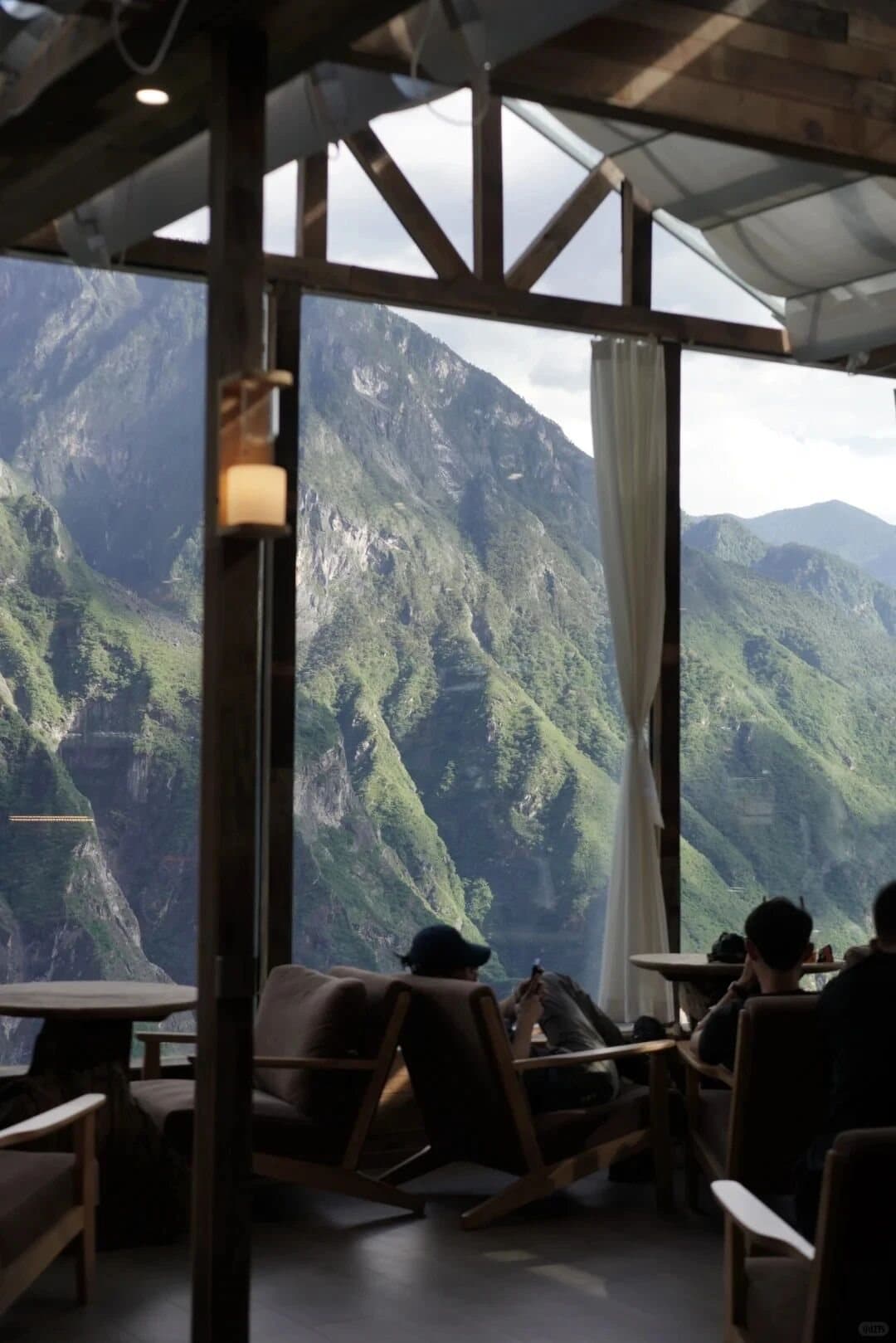
The Hengduan Mountains are among the most complex mountain systems in China. Rivers and ridges run side by side, creating a geography of deep valleys, steep cliffs, and dramatic changes in altitude. Tiger Leaping Gorge is one of the clearest places to feel this vertical world.
Within a relatively short distance, the land rises from river level to snow-covered peaks. This creates not only breathtaking views, but also changes in vegetation, temperature, and atmosphere. At the bottom, the river is violent and loud. Higher up, the trail may pass villages, dry slopes, pine forests, fields, and open cliffs. Far above, the mountains keep their snow.
The landscape feels layered. You are not only walking forward. You are walking through altitude, climate, geology, and time. This is one reason the gorge feels so alive. Every turn changes the scene. A narrow path opens to a huge view. A quiet village gives way to a cliffside trail. A sunny slope suddenly meets a wind coming down from the mountains. The river is always below, but never quite the same.
Sometimes it is a sound. Sometimes it is a silver line. Sometimes it is a force you feel in your chest before you see it.
The High Trail
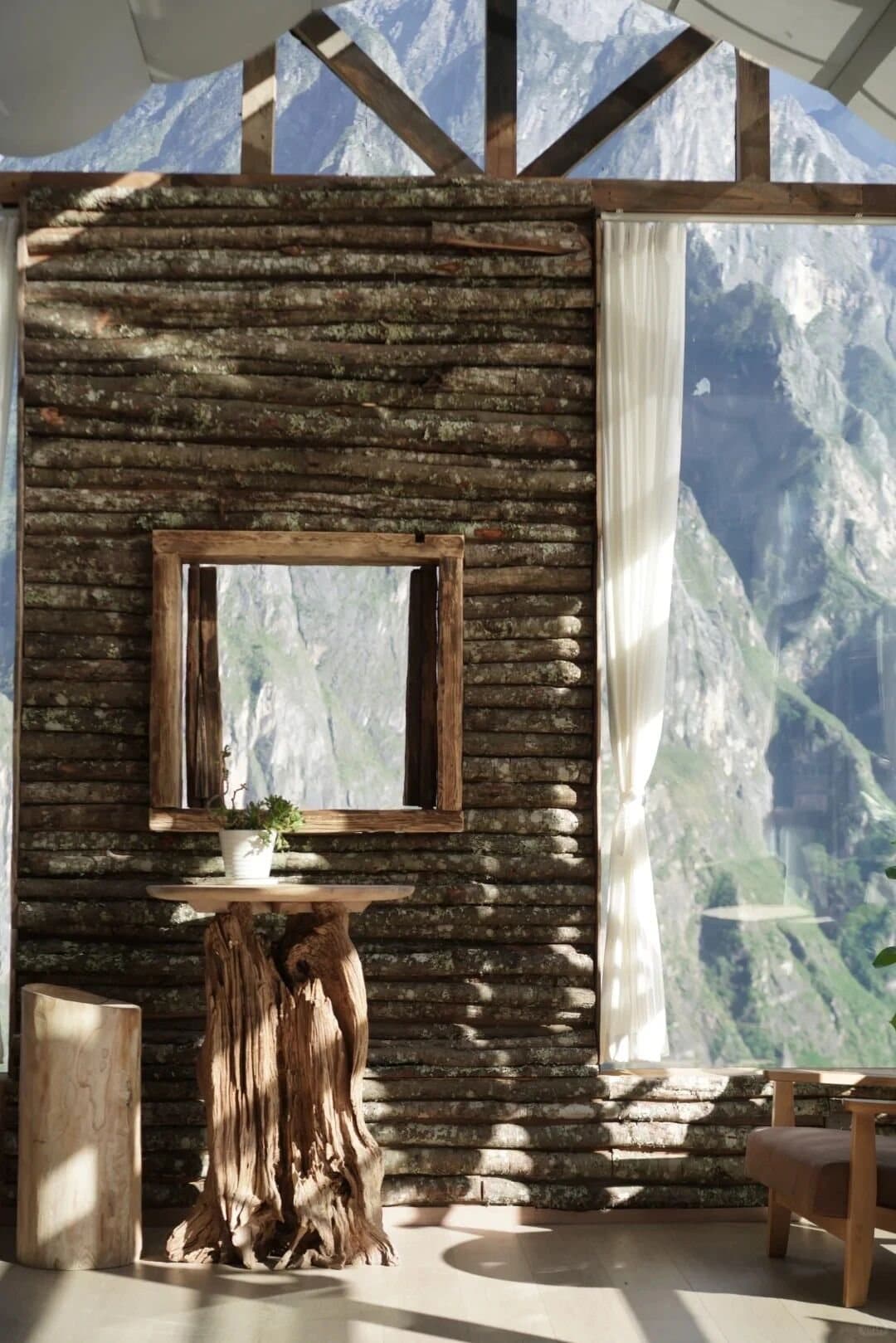
For many travelers, the heart of Tiger Leaping Gorge is the High Trail. This route follows the upper side of the gorge, far above the river, offering some of the most dramatic walking scenery in Yunnan. Unlike the lower sightseeing road, the High Trail requires effort. It asks you to climb, sweat, breathe hard, and pay attention.
The trail was once part of the daily life of local villagers. Before modern roads made travel easier, mountain paths like this connected villages to the outside world. People walked because walking was necessary. They carried goods, visited relatives, moved between fields, and lived with the mountain as part of ordinary life.
Today, hikers come from around the world to experience the same landscape from a different perspective. But the trail has not lost its seriousness. Parts of it are steep. Some sections are narrow. The sun can be strong. The wind can change quickly. The climb is not extreme for experienced hikers, but it is not effortless either. That is part of its value. Tiger Leaping Gorge gives beauty, but it does not give it too cheaply.
Walking Above the Roar
There is a moment on the High Trail when the body begins to understand the place before the mind does. Your legs are tired. Your breathing grows louder. The path bends along the mountainside. Below you, the Jinsha River roars through the gorge. Across from you, Jade Dragon Snow Mountain rises in sharp ridges and snow lines. The scale is so large that ordinary thoughts begin to fall away.
You stop talking. Not because there is nothing to say, but because the landscape has become too big for quick words. This is the strange gift of Tiger Leaping Gorge. It strips things down. The city’s noise disappears. Your schedule disappears. Your small worries lose their authority for a while. What remains is very basic: foot, stone, breath, water, mountain, sky.
Step by step, the walk becomes less about finishing the route and more about returning to a simpler rhythm. You climb. You pause. You look. You continue.
Villages, Guesthouses, and the Human Side of the Trail
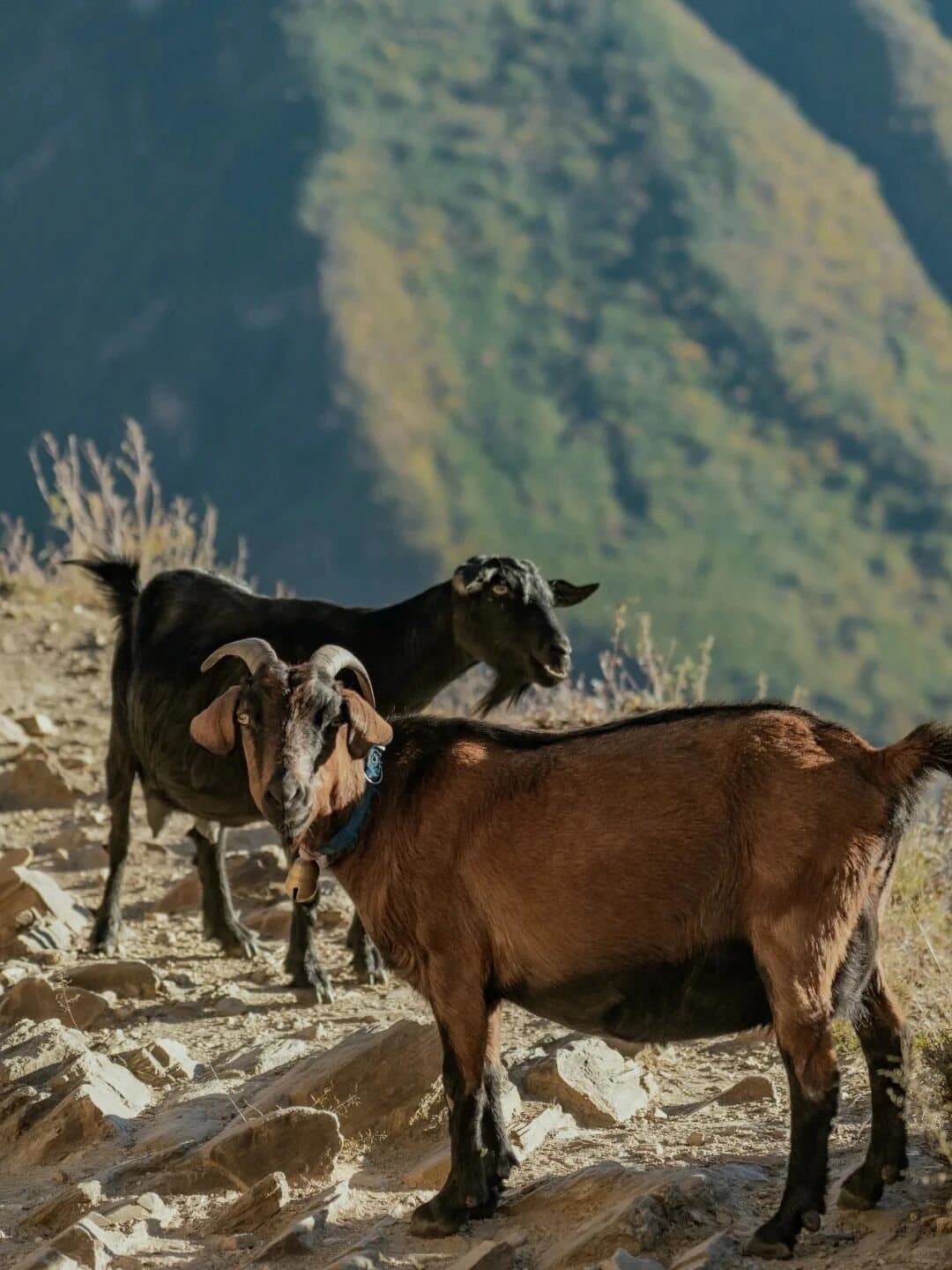
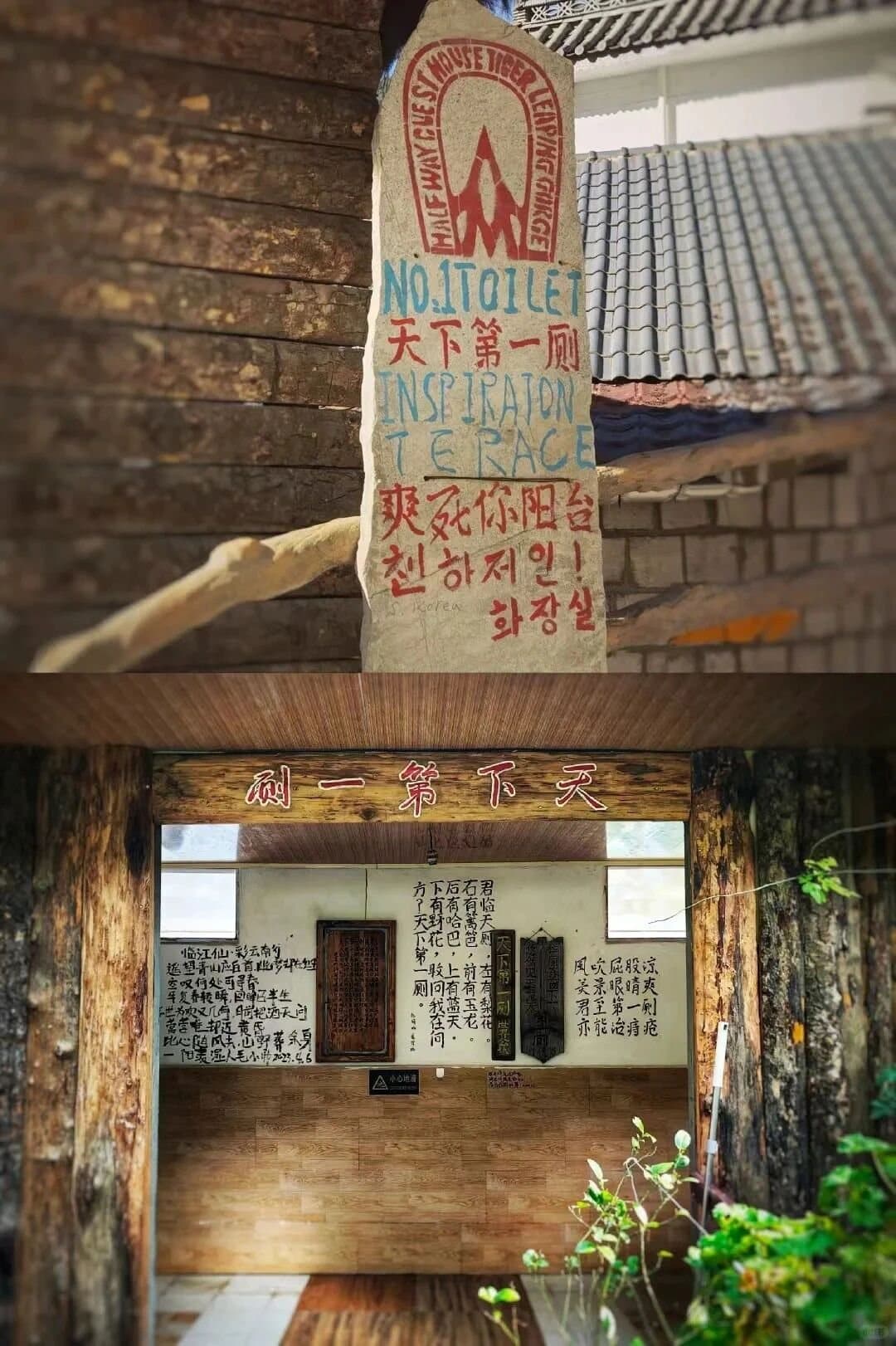
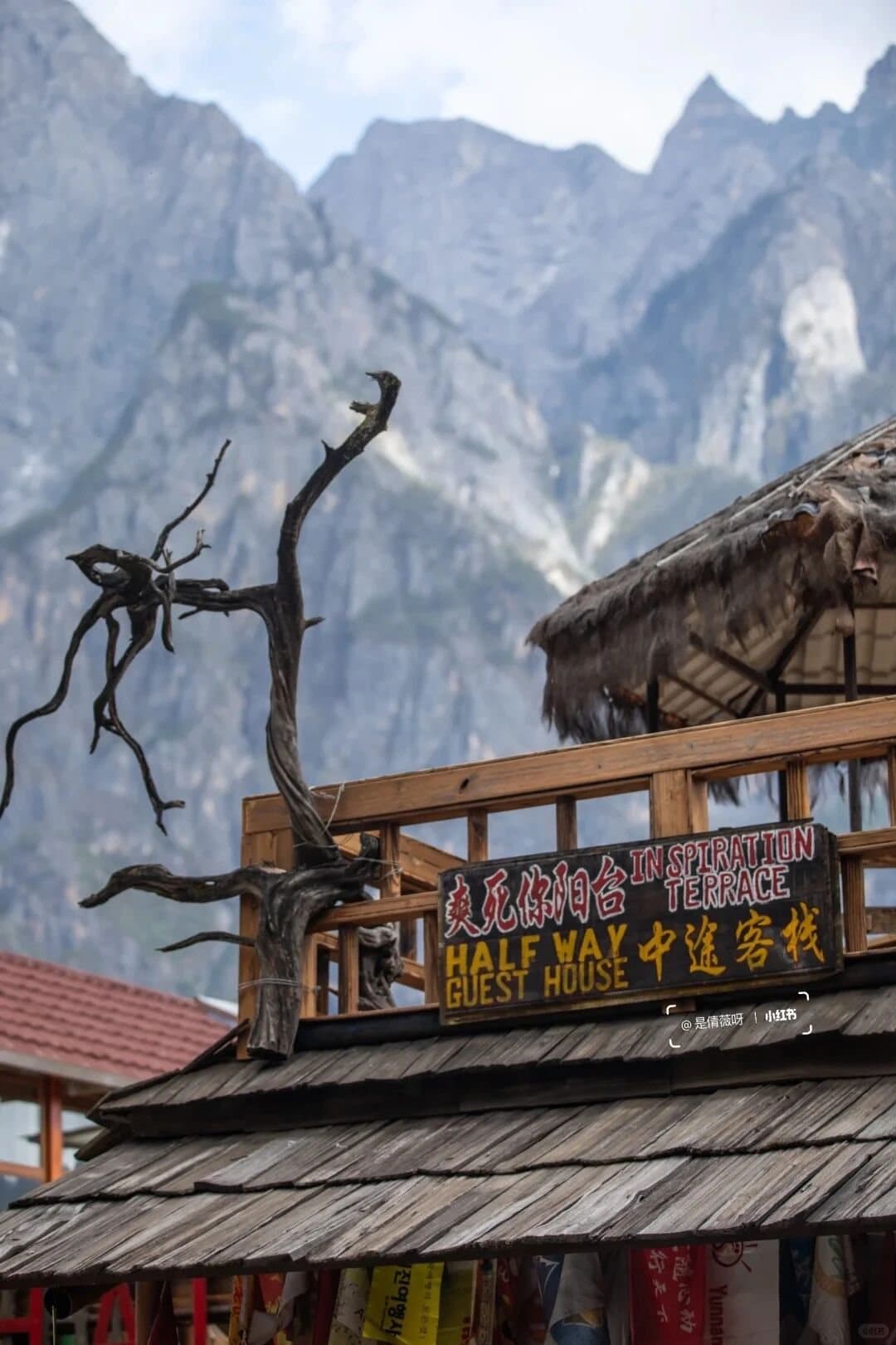
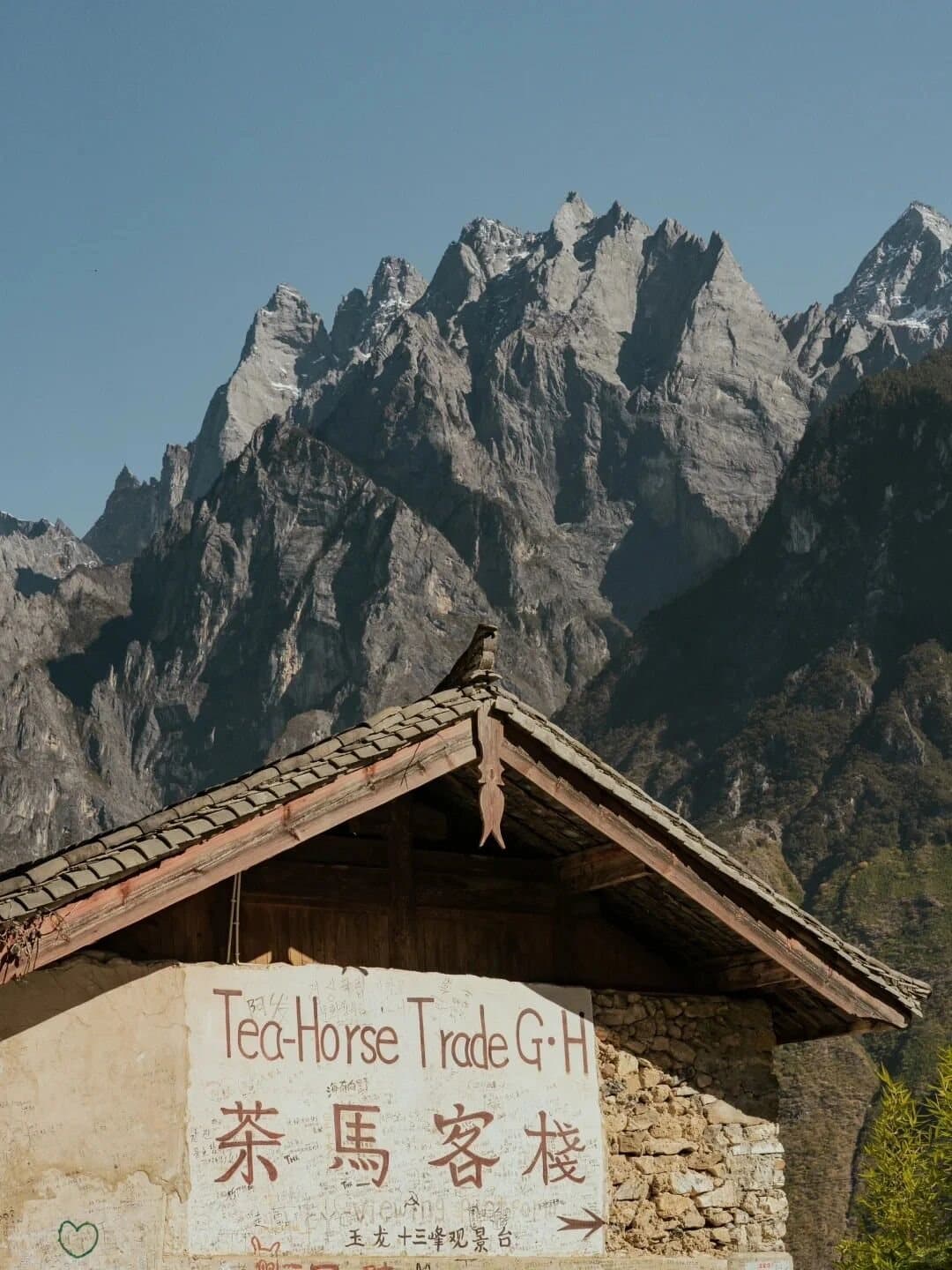
Although Tiger Leaping Gorge is famous for its wild scenery, the trek is also shaped by people. Along the route are villages, family-run guesthouses, fields, animals, handwritten signs, simple meals, and stories left behind by hikers from many countries. Over the years, places such as Naxi Family Guesthouse, Tea Horse Guesthouse, Halfway Guesthouse, Tina’s, and other local stops have become part of the trail’s memory.
They are not just places to sleep. They are part of the culture of the hike. A wall covered with messages from backpackers. A bowl of noodles after a long climb. A balcony facing the snow peaks. A local host who knows the weather better than any app. A simple room that feels luxurious only because you have earned your rest.
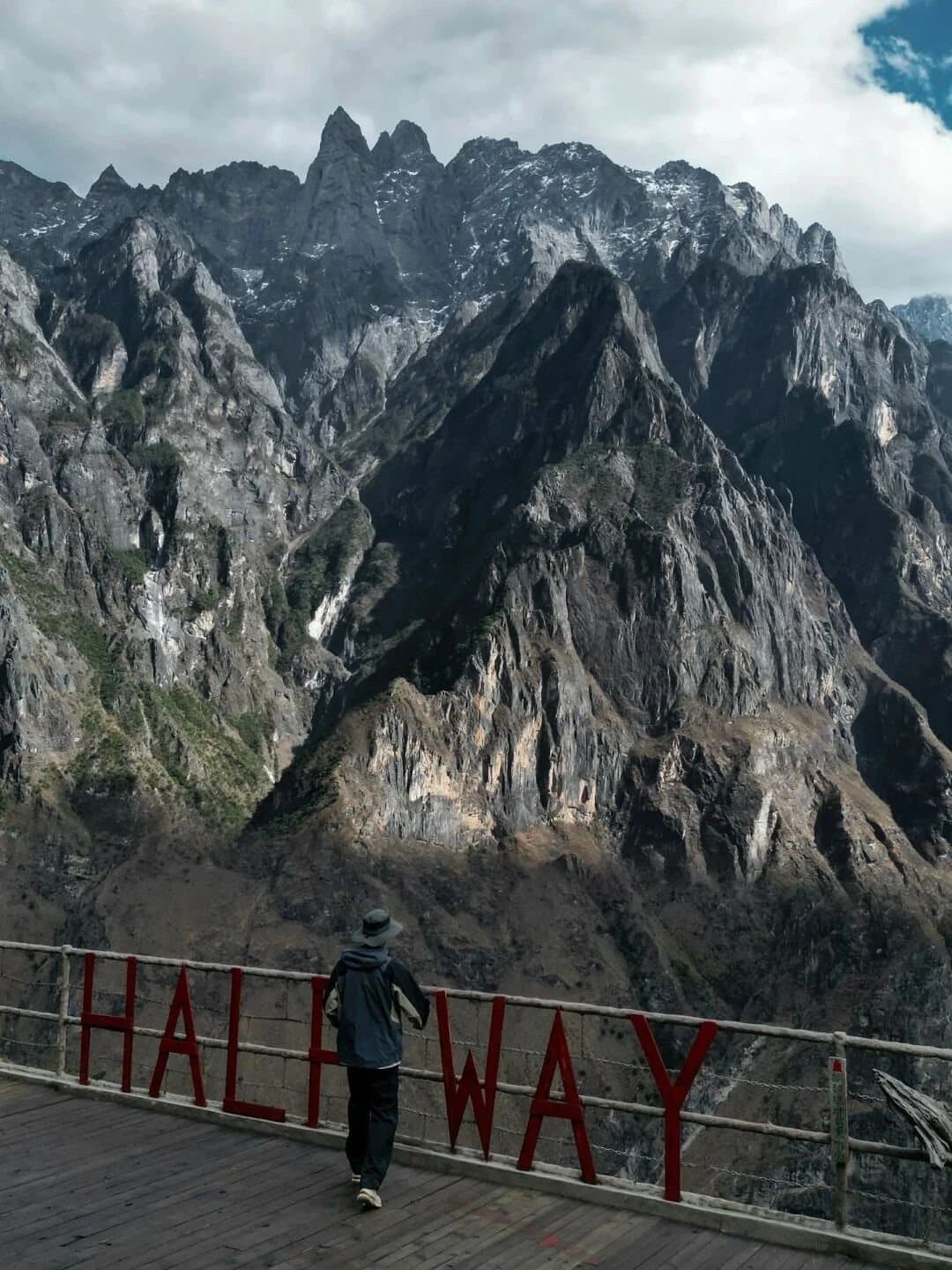
Halfway Guesthouse has become especially well known among hikers. Its famous terrace looks directly toward the mountains, giving travelers one of the most memorable views of the route. People arrive dusty and tired, sit down with coffee or tea, and look across the gorge in silence. On a journey like this, comfort becomes simple. A chair. A hot meal. Dry socks. A view.
Upper, Middle, and Lower Gorge
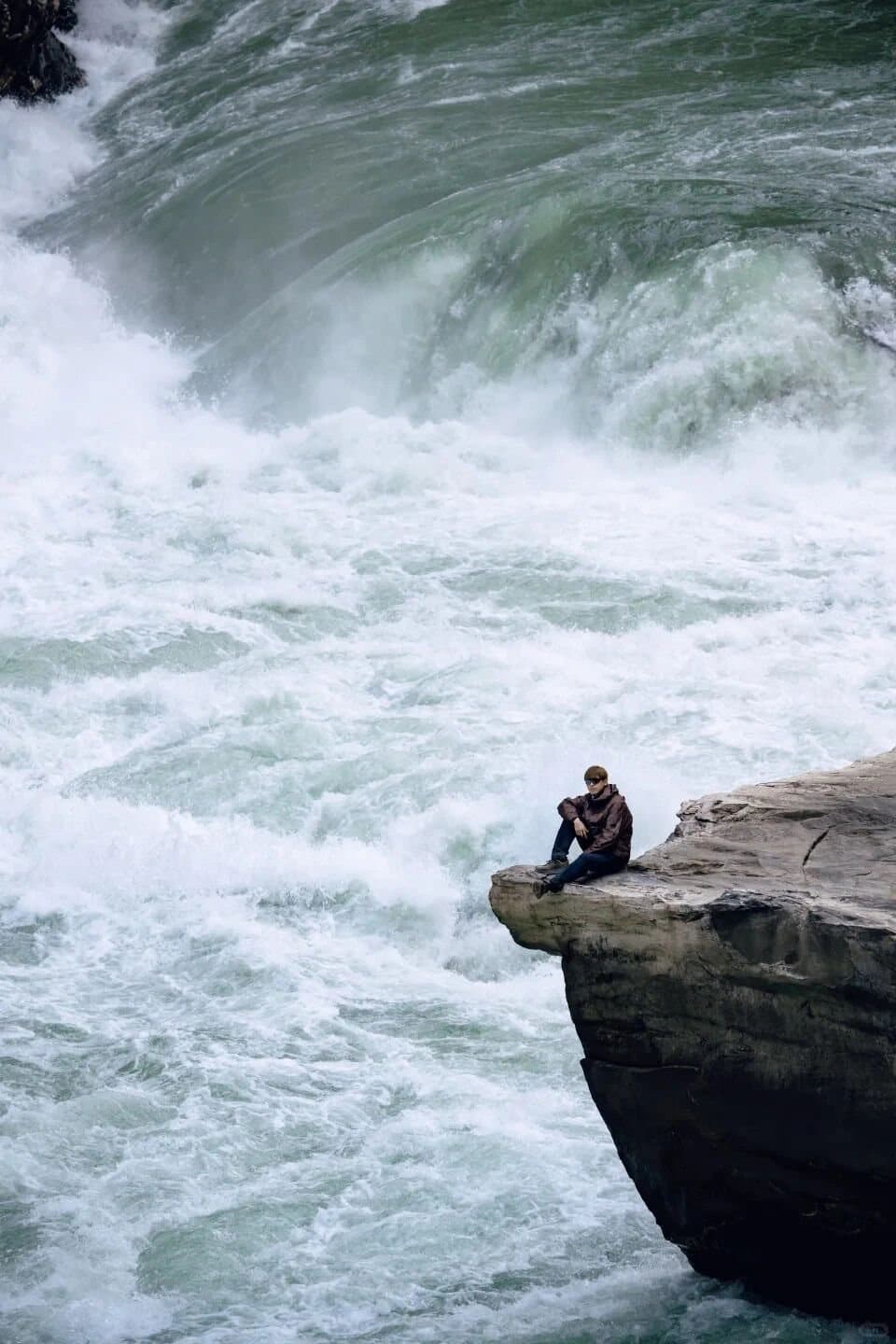
Tiger Leaping Gorge is often described in three sections: Upper, Middle, and Lower Gorge. Upper Tiger Leaping Gorge is the most accessible and most famous viewpoint. Here the river narrows dramatically, and visitors can see the legendary rock associated with the tiger’s leap. The water is loud, fast, and theatrical, making this section especially powerful for those who want to feel the gorge’s raw energy without doing the full trek.
Middle Tiger Leaping Gorge is wilder and more intense. The river drops and crashes through a tighter, more dramatic section, with trails leading down toward the water in some areas. The landscape here feels closer, rougher, and more dangerous. It is a place that demands respect.
Lower Tiger Leaping Gorge opens gradually into a wider view. After the compression and intensity of the upper sections, the landscape begins to breathe again. Fields, villages, and broader river views soften the drama, reminding travelers that even the fiercest canyon eventually releases itself into everyday life.
Together, the three sections show different personalities of the gorge. Narrowness. Force. Opening. Like movements in a symphony.
Not to Conquer, But to Listen
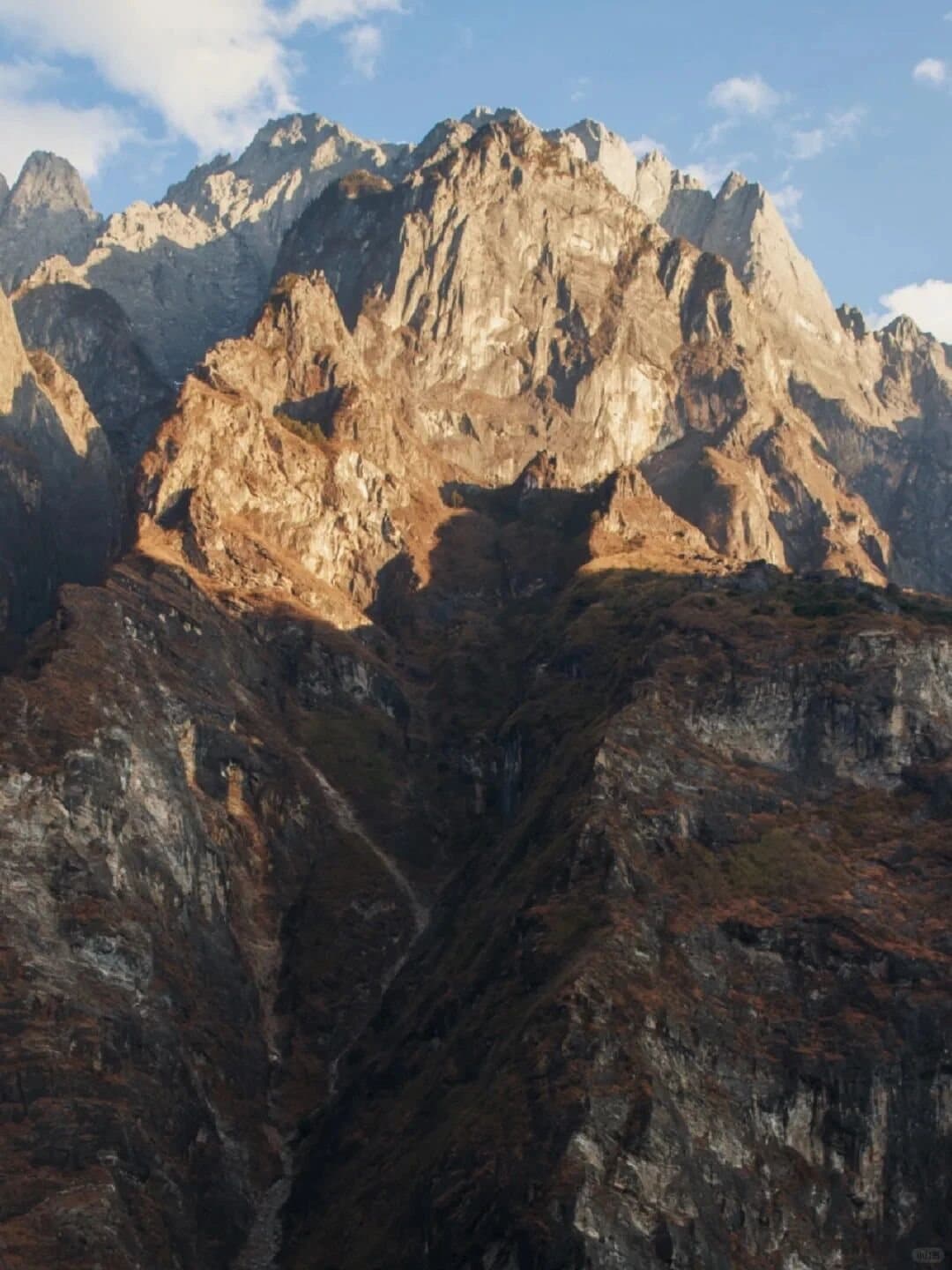
It is easy to speak about hiking as conquest. We say we “complete” a trail, “finish” a route, “do” a mountain. But Tiger Leaping Gorge teaches a different language. Here, the mountain is not an object to defeat. The river is not a background.
The trail is not only a challenge. Everything has its own presence. The cliffs are not passive. The water is not decorative. The wind is not empty. The villages are not props. To walk here well, you must listen. Listen to the river before choosing your pace.
Listen to your breathing before pushing too hard. Listen to local advice before trusting your own confidence. Listen to the weather, the trail, the body, the silence after the water’s roar. This kind of listening changes the hike. It becomes less about proving yourself and more about meeting the landscape with humility.
The Release of Walking
Many people come to Tiger Leaping Gorge because they want adventure. But what they often find is release. There is something deeply cleansing about walking through a place so much larger than yourself. The physical effort gives the mind somewhere to go. The climb gathers all the scattered tension of daily life and turns it into movement. The river below seems to carry away what you no longer need.
At first, the hike may feel like a test. Then, slowly, it becomes a conversation. With the mountain. With the water. With the person you are when the usual distractions fall away. This is why the gorge stays with people long after they leave. The memory is not only visual. It is physical. Your legs remember the climb. Your lungs remember the thin air. Your skin remembers the sun and wind. Your mind remembers the moment when everything became quiet inside, even while the river was roaring below.
A Journey Into Scale
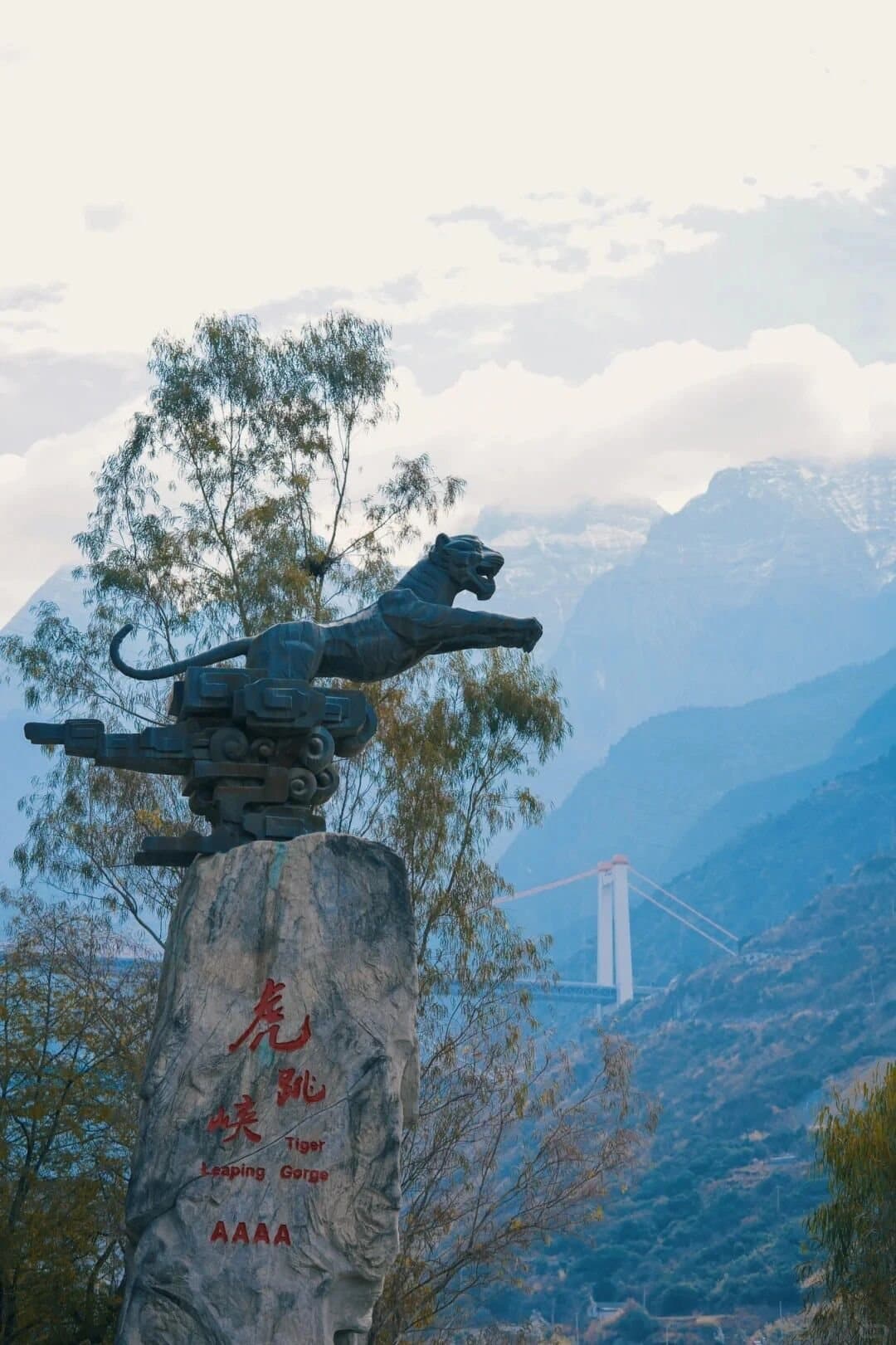
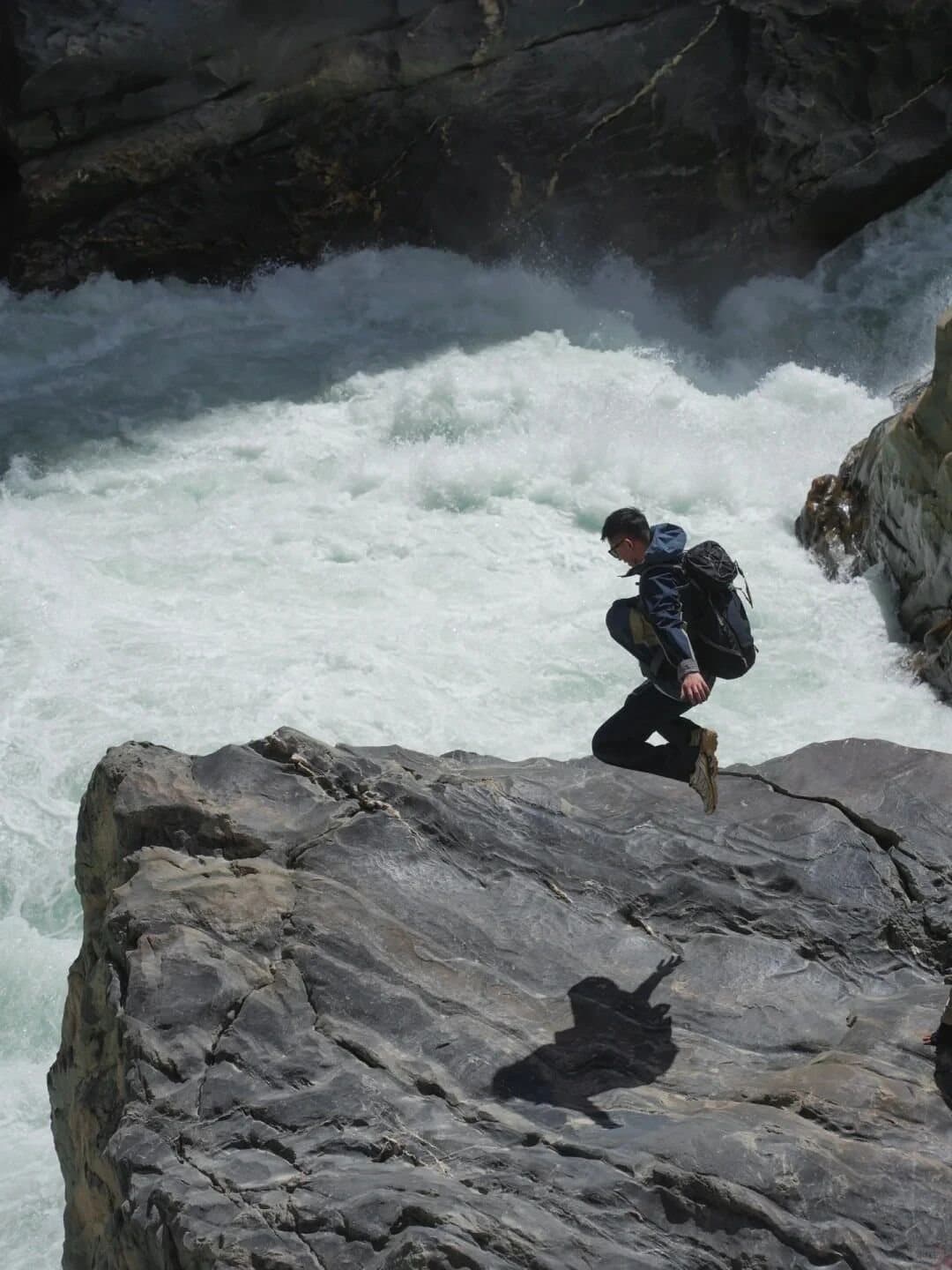
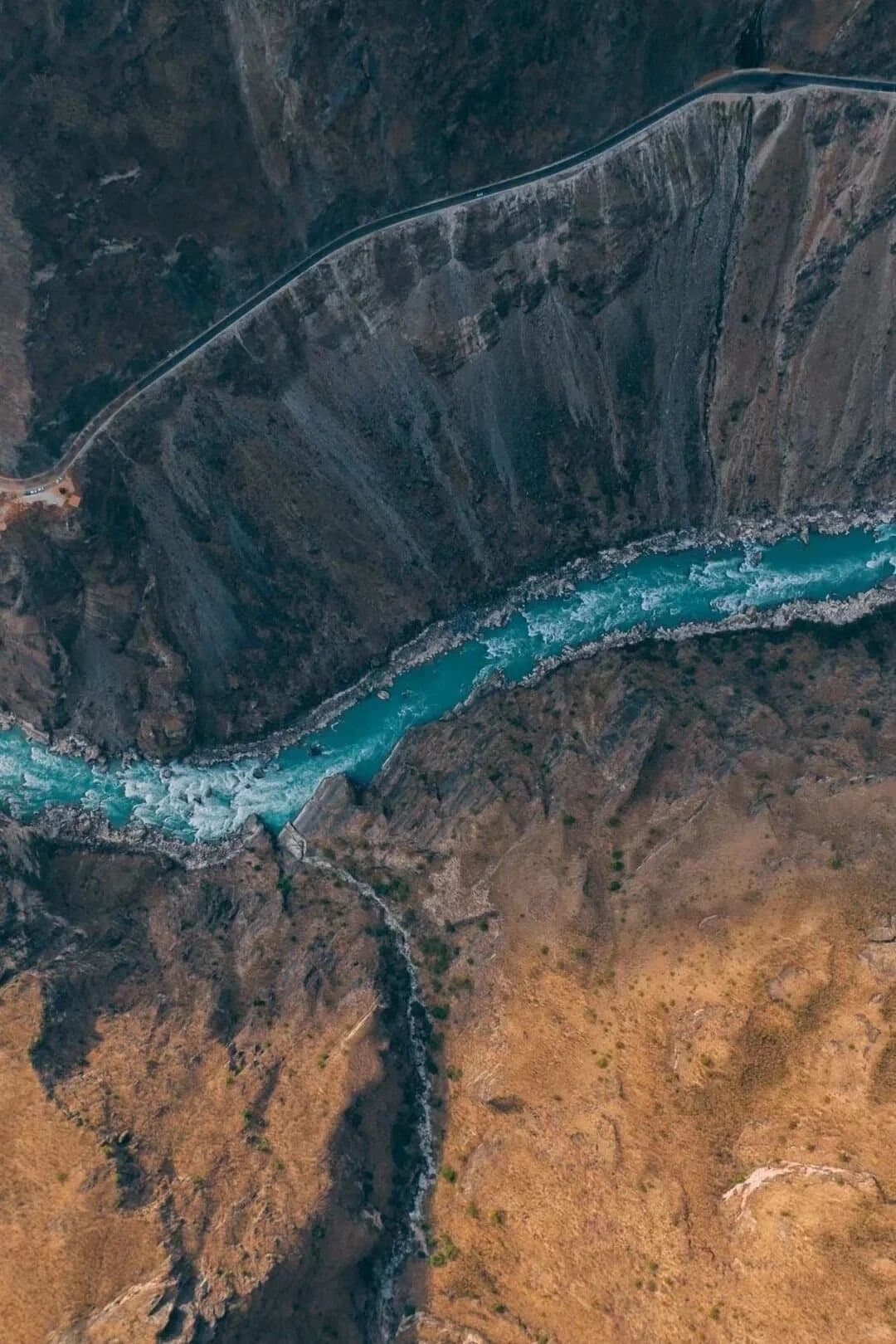
Tiger Leaping Gorge changes your sense of size. In the city, human problems can feel enormous. Deadlines, messages, expectations, decisions — they fill the entire room of the mind. But standing above the Jinsha River, between two snow mountains, the scale shifts.
The mountains have been here longer than any worry. The river has been carving its way through stone long before any of us arrived. This does not make human life meaningless. It makes it lighter. The gorge reminds you that you are small, but not insignificant. You are brief, but still capable of wonder. You cannot control the mountains, but you can choose how to walk among them. That is a powerful lesson.
Why Tiger Leaping Gorge Belongs in a Yunnan Journey
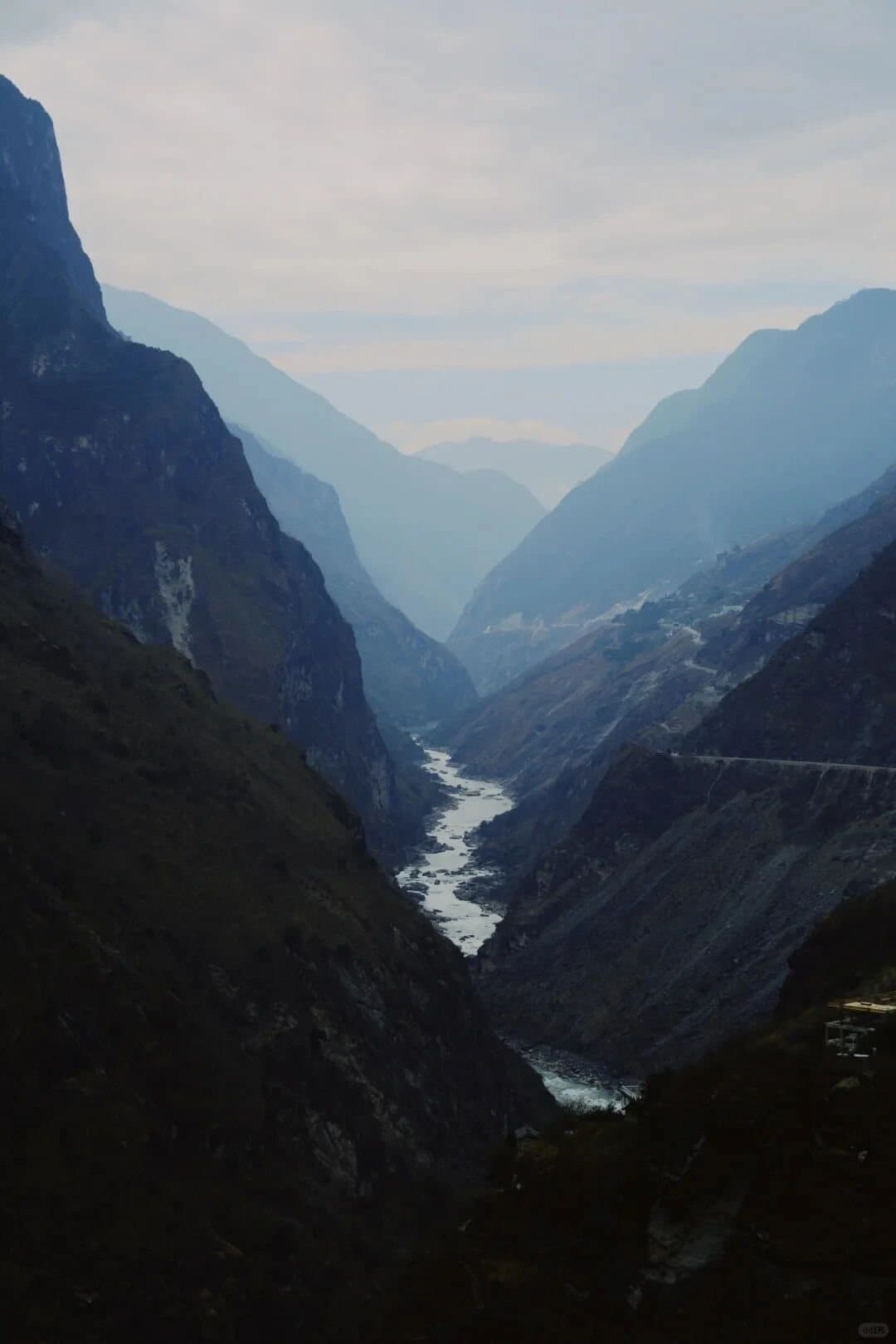
Yunnan is often described through softness: flowers, ancient towns, tea mountains, slow markets, lakes, and warm light. Tiger Leaping Gorge shows another side of the province. The fierce side. The side of vertical cliffs, roaring rivers, snow peaks, deep valleys, and paths carved into impossible slopes. It reminds travelers that Yunnan is not only beautiful. It is geologically dramatic, culturally layered, and physically alive.
For first-time visitors, the gorge can be a turning point in a Yunnan journey. After the elegance of Dali, the romance of Lijiang, or the quiet spirituality of Shangri-La, Tiger Leaping Gorge brings the body back into the experience. It asks you to feel the land through effort, not just through looking.
And when you do, Yunnan becomes more real. Not a postcard. Not a collection of pretty places. A living landscape that asks something of you.
Mountain, River, Self
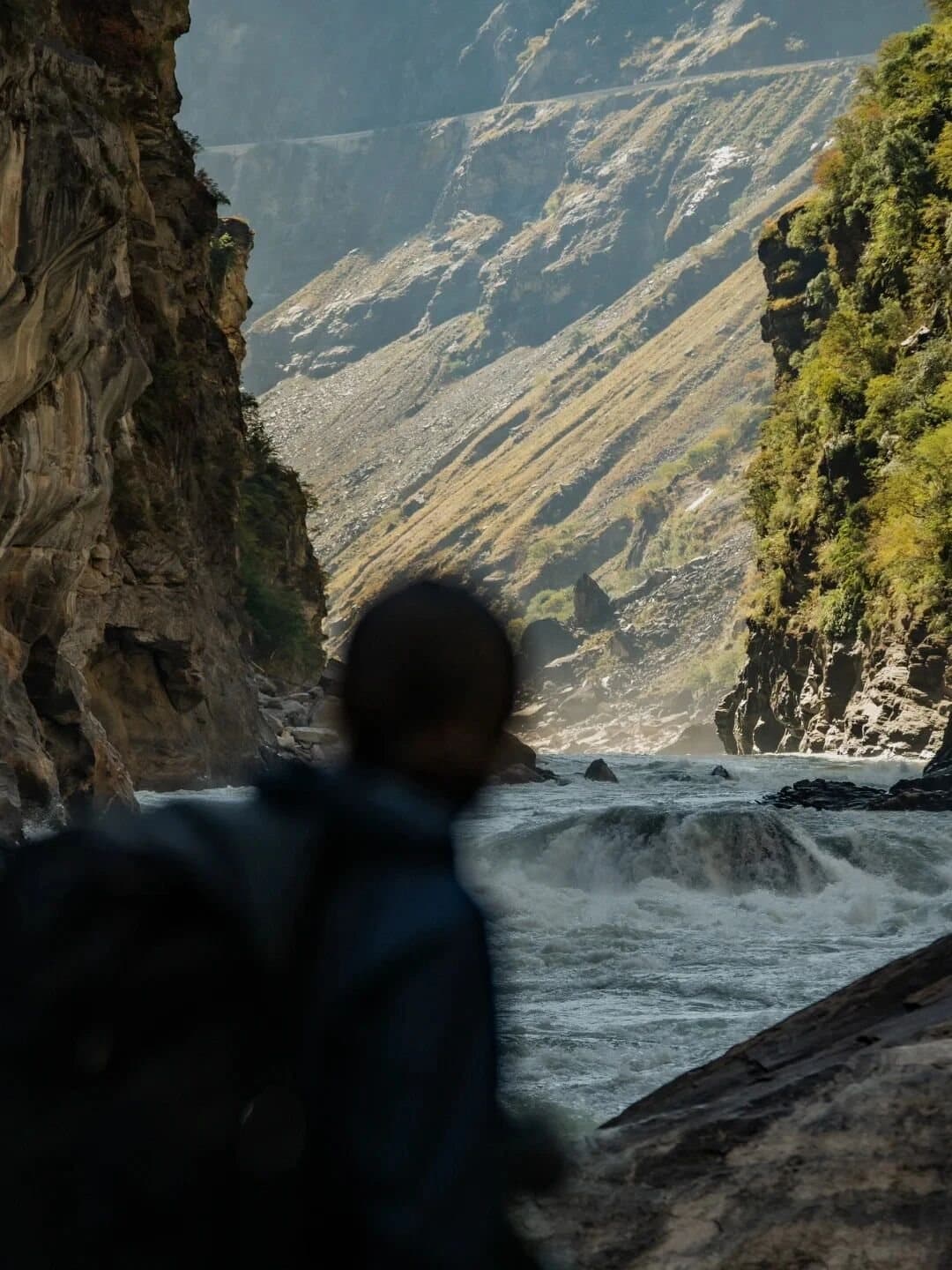
To hike Tiger Leaping Gorge is to enter a conversation between mountain and water. The mountains rise. The river cuts. The trail holds you somewhere in between. Every step becomes a small negotiation between fear and freedom, exhaustion and joy, danger and beauty. You walk along cliffs, look across snow peaks, listen to water strike stone, and slowly realize that the journey is not only outside you.
It is happening inside as well. You came to see a gorge. But somewhere along the way, you begin to see yourself more clearly. This is the real gift of Tiger Leaping Gorge. Not conquest. Not performance. Not a photo at the end. But the feeling of standing inside a vast landscape and remembering how alive you are.
Walk the trail slowly. Let the river be loud. Let the mountains be larger than your thoughts. And when the wind rises between the cliffs, keep going. The gorge is still singing.